
Trump Announces 9 New Pharma Deals, Bringing Total to 26
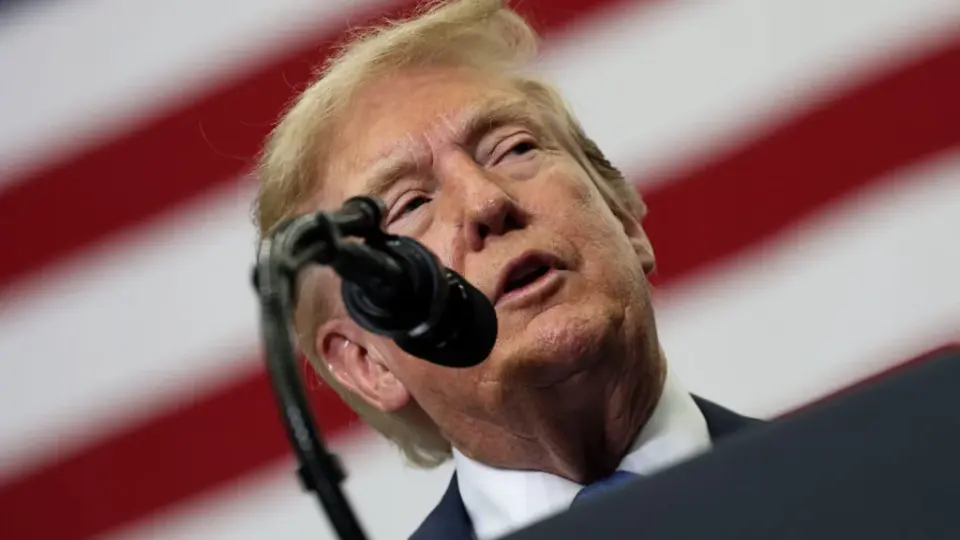
President Trump announced nine new voluntary drug-pricing agreements with pharmaceutical companies, bringing the total to 26. The deals, which include firms like CSL and Teva, pledge to lower U.S. prices to match international levels and offer 'most-favored-nation' rates to state Medicaid programs. In exchange, companies are expected to avoid tariffs and contribute to strategic medical stockpiles. While the administration claims these deals cover 90% of prescribed drugs, critics note that Medicaid already receives the lowest prices, and the long-term impact on patient costs remains unclear.
Key points
- Nine new companies (Alcon, Astellas, BeOne, BridgeBio, CSL, Sun Pharma, Kyowa Kirin, Teva, and UCB) joined 17 previous firms in signing voluntary pricing deals with the Trump administration.
- The agreements require companies to sell new medications at prices comparable to the lowest rates in peer countries and offer 'most-favored-nation' pricing to state Medicaid programs.
- In return for these concessions, companies are believed to be avoiding tariffs and are contributing to U.S. medical stockpiles; specifically, UCB, Sun Pharma, Teva, and Astellas will supply 290 metric tons of active pharmaceutical ingredients.
- Health Secretary Robert F. Kennedy Jr. stated that the deals now cover nine out of ten drugs prescribed in the U.S., though the White House has declined to release specific details regarding Medicare impacts.
- The administration claims these voluntary deals could save $64.3 billion in federal and state spending over the next decade, a figure described by some as speculative.
Background
This development follows a series of earlier announcements in August 2026 where the White House first unveiled these nine deals, bringing the total to 26. The administration has previously pushed Congress to codify these 'most-favored-nation' pricing models into permanent law. This pricing agenda is part of a broader push by the Trump administration to reform healthcare costs, which has included other controversial measures such as executive orders regarding beef imports and tariffs on oil giants, all framed as efforts to lower consumer prices.
How outlets are covering it
STAT News and NBC News emphasize the voluntary nature of the deals and the lack of transparency regarding specific Medicare impacts, noting that Medicaid already receives the lowest prices. The Australian Financial Review highlights the specific impact on CSL, an Australian company, and frames the deals as part of a broader 'affordable medicine blitz.' While the administration touts the deals as a success, critics point out that smaller drugmakers were slow to sign on, and some companies are still considering legal options to overturn the policies. The White House has repeatedly declined to make the details public, leading to calls from Democrats for greater transparency.
Why it matters
These deals represent a significant shift in how the U.S. government approaches pharmaceutical pricing, moving from legislative mandates to voluntary, private-sector agreements. The potential savings of $64.3 billion over a decade could significantly impact federal and state budgets, but the lack of transparency and the voluntary nature of the deals raise questions about their long-term effectiveness and sustainability. The deals also highlight the ongoing tension between the administration and the pharmaceutical industry, with companies seeking to avoid tariffs and price controls while the government pushes for lower costs for American patients.
What to watch
The administration is expected to continue working with the 'many hundreds' of other drugmakers to secure similar deals. Congress is being pushed to codify the 'most-favored-nation' pricing model into permanent law. The long-term impact on drug costs and accessibility will depend on the implementation of these deals and the potential legal challenges from pharmaceutical companies. The administration may also face pressure to release more details about the deals, particularly regarding their impact on Medicare and other federal health programs.
- Trump strikes nine more deals with drugmakers to lower prices STAT
- Bond yields climb; CSL to lower prices in Trump deal; AI was meant to kill software, so what happened? AFR
- CSL discounts drugs in US after Trump tariff threats The West Australian
- Trump announces new drug-pricing deals with 9 pharma companies NBC News
- Trump strikes new drug pricing deals with nine midsized drugmakers CNBC
Want the full story? Read the original reporting
Read on STAT