
Vaccine Rollback Puts 5.2 Million Children in Under-Vaccinated Zones
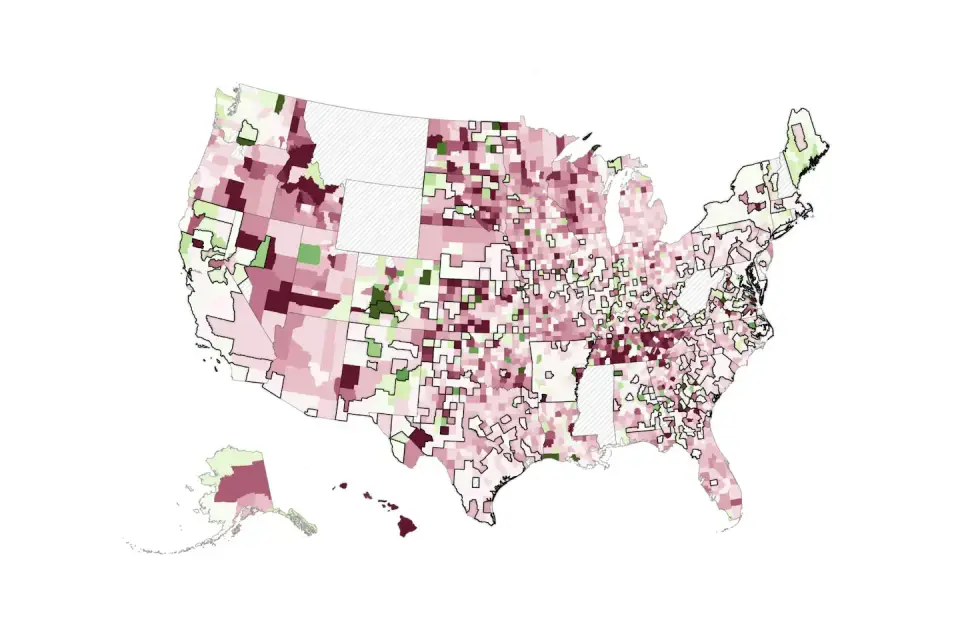
A new executive order has dismantled federal vaccine guidelines, prompting states to review school mandates. This shift has left 5.2 million kindergarten-age children in counties where measles vaccination rates fall below the herd immunity threshold.
Key points
- The Trump administration signed an executive order on August 10, 2026, to overhaul federal vaccine recommendations.
- The order mandates that the combined MMR vaccine be administered as three separate single-disease shots across distinct medical visits.
- The new guidelines reduce the number of recommended childhood immunizations from 18 to 11.
- A Washington Post investigation found that 5.2 million kindergarten-age children now live in areas with sub-threshold measles vaccination rates.
- The order directs states to update laws and regulations regarding school vaccination requirements.
Background
This policy shift follows a period of rising measles cases and declining vaccination rates, particularly in Pennsylvania, where local data tools were introduced to track school-level immunity. The move also contrasts with the administration's previous support for Operation Warp Speed, which accelerated COVID-19 vaccine development during the first term.
How outlets are covering it
The Washington Post highlights the geographic impact of the policy, noting that millions of children are now in areas lacking herd immunity. CNN focuses on the logistical burden, with Senator Bill Cassidy arguing that splitting the MMR vaccine into six separate visits will increase costs and reduce overall vaccination rates. MS NOW frames the order as a political concession to conspiracy-minded voters, arguing it undermines the administration's previous public health achievements. While the Post and CNN emphasize the practical and epidemiological risks, MS NOW focuses on the ideological motivation behind the policy.
Why it matters
The rollback of federal vaccine standards directly impacts public health infrastructure and school attendance policies. By reducing the number of recommended vaccines and complicating the administration process, the order risks increasing the prevalence of preventable diseases like measles, mumps, and rubella, while placing a significant financial and logistical burden on families.
What to watch
States are expected to review and potentially update their own school vaccination laws in response to the federal directive. Public health experts and medical organizations are likely to continue urging families to follow previous CDC guidelines, while the administration may face further political backlash from both medical professionals and members of its own party.
- Trump rolls back vaccine recommendations. See where your school stands. The Washington Post
- Trump’s vaccine order is counterproductive and ‘wrong on so many levels,’ GOP lawmaker says CNN
- Drugmakers uninterested in Trump’s order to split up MMR vaccine The Hill
- New U.S. Vaccine Order Creates Confusion Amid Measles Surge Think Global Health
- Opinion | Trump is undermining his biggest accomplishment MS NOW
Want the full story? Read the original reporting
Read on The Washington Post