
Iowa Army Detonates 9,700lb of Unstable Lead Azide After Court Clears Path
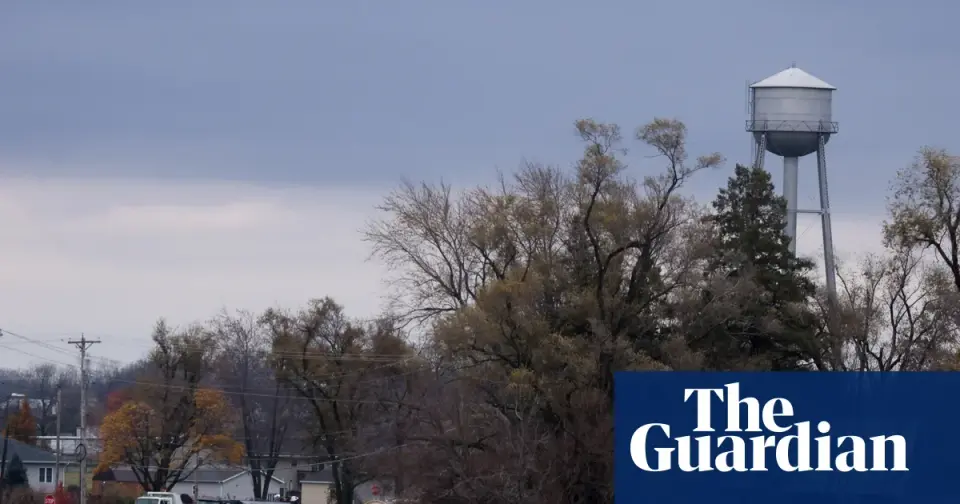
The US Army detonated 9,700lb of degraded lead azide at the Iowa Army Ammunition Plant in Middletown on Wednesday morning. The controlled blast, delayed multiple times due to weather and legal challenges, aimed to prevent a spontaneous explosion as the chemical crystallized. While officials emphasized safety measures to contain lead dust, residents and environmental groups expressed significant concerns regarding potential health risks and environmental contamination.
Key points
- The US Army detonated 9,700lb (4,400kg) of lead azide at the Iowa Army Ammunition Plant in Middletown, a town of approximately 400 people in southeastern Iowa.
- The operation was delayed multiple times, including a pause ordered by President Trump, before proceeding after the 8th Circuit Court of Appeals ruled that the EPA’s emergency permit included adequate safeguards.
- Officials stated the material was dangerously unstable and posed a risk of spontaneous explosion, particularly as temperatures dropped, making a controlled detonation the preferred alternative.
- FEMA coordinated the relocation of residents in Middletown and surrounding areas, while the Iowa National Guard provided up to 100 federally activated soldiers to support public safety efforts.
- The Army warned that toxic plumes could travel up to 100 miles, with the projected path shifting southwest toward northern Missouri based on changing weather patterns.
Background
Previous coverage indicated that the detonation was scheduled for Wednesday morning, November 25, following the 8th Circuit Court of Appeals lifting a temporary stay on an EPA permit. Earlier reports highlighted that the chemical had crystallized, creating an imminent risk of spontaneous explosion, and that environmental groups continued to challenge the adequacy of cleanup measures despite the court's ruling.
Why it matters
The detonation highlights the complex balance between immediate safety risks from unstable hazardous materials and long-term environmental and health concerns for local communities. The legal and political disputes surrounding the operation underscore the challenges of managing legacy chemical stockpiles in populated areas.
What to watch
The Army will monitor the aftermath of the detonation for any environmental contamination or health impacts. Senator-elect Josh Turek has indicated he will continue to question how the material degraded to such an unstable state and criticized the lack of transparency in the process.
- Iowa town shelters in place as army prepares to detonate entire US stockpile of lead azide The Guardian
- Feds have added mitigation strategies, local aid ahead of lead azide detonation Iowa Capital Dispatch
- Army’s Iowa Ammunition Plant Explosion on Schedule for Wednesday Morning The New York Times
- Latest maps provided by US Army show potential locations of lead exposure during Wednesday's controlled detonation WQAD
- Iowans are worried about toxic fallout from a planned detonation. A look at the risks NPR
Want the full story? Read the original reporting
Read on The Guardian