
US Army Detonates 5 Tons of Degraded Lead Azide in Iowa Amid Legal and Health Disputes
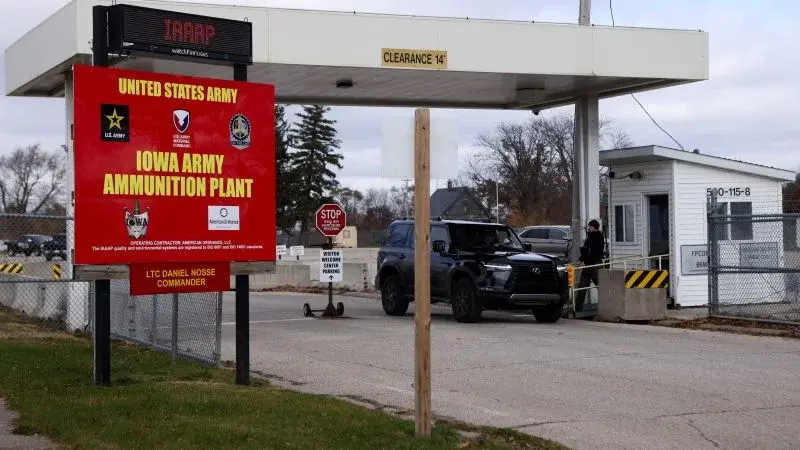
The US Army conducted a controlled detonation of approximately five tons of degraded lead azide at the Iowa Army Ammunition Plant in Middletown on Wednesday. The operation, delayed multiple times due to weather and legal challenges, was deemed necessary by officials because the crystallized material posed an imminent risk of spontaneous explosion as temperatures dropped. While the Army implemented extensive mitigation measures, including water walls and blast barriers, environmental groups and some residents expressed significant concerns about long-term health risks and environmental contamination from lead dust. A federal appeals court had previously reinstated the EPA’s emergency permit, allowing the detonation to proceed despite ongoing lawsuits challenging the adequacy of cleanup measures.
Key points
- The US Army detonated nearly 70 barrels of lead azide, a highly sensitive explosive compound, at the Iowa Army Ammunition Plant in Middletown on Wednesday morning.
- Officials stated the material had degraded and crystallized, making it extremely unstable and prone to spontaneous explosion, particularly as winter temperatures approached.
- The detonation was delayed multiple times due to weather conditions and legal challenges, including a temporary stay by a federal court that was later overturned by the 8th Circuit Court of Appeals.
- The Army implemented mitigation measures, including a water wall filled with over 100,000 gallons of water, earth berms, and sand-filled blocks, to contain the blast and reduce lead dust dispersion.
- Residents within a five-mile radius were advised to evacuate, while those within 20 miles were instructed to shelter in place, close windows, and recirculate air to minimize exposure to lead particles.
- Environmental groups, including the Iowa Environmental Council, continued to challenge the adequacy of the EPA’s emergency permit, particularly regarding cleanup measures and long-term health protections for residents.
Background
The lead azide stockpile at the Iowa Army Ammunition Plant had been stored for decades, with some materials over 60 years old. The compound, used to initiate munition detonations, is highly sensitive and can explode from shock, heat, or friction when dry. The Army discovered the degradation during routine stockpile surveillance in March 2026. Prior to the detonation, environmental groups had filed lawsuits to pause the operation, citing concerns about lead exposure and environmental contamination. The 8th Circuit Court of Appeals reinstated the EPA’s emergency permit, allowing the detonation to proceed. The operation was delayed multiple times due to weather and legal challenges, with the final detonation scheduled for Wednesday, November 25, 2026.
How outlets are covering it
The US Army and EPA emphasized the necessity of the controlled detonation to prevent a spontaneous explosion, citing the material’s extreme sensitivity to temperature, friction, and shock. They highlighted extensive mitigation measures, including water walls and blast barriers, to minimize lead dust dispersion. In contrast, environmental groups and some residents, particularly in farming communities, expressed significant concerns about long-term health risks and environmental contamination. The Iowa Environmental Council argued that the EPA’s permit did not adequately address cleanup measures and long-term health protections. Local officials, such as the city manager of Fort Madison, criticized the lack of timely information and the potential economic impacts on farming communities. Some residents in Middletown, however, supported the detonation, preferring a controlled blast to an uncontrolled explosion. The BBC reported mixed reactions, with some residents expressing fear and uncertainty, while others were relatively unfazed or supportive of the operation.
Why it matters
The detonation highlights the ongoing challenges of managing hazardous materials and balancing immediate safety risks with long-term environmental and health concerns. The incident underscores the importance of transparent communication and robust mitigation measures in high-risk operations. It also raises questions about the adequacy of regulatory oversight and the potential long-term impacts of lead exposure on vulnerable populations, particularly children and individuals with chronic diseases. The legal disputes and community concerns reflect broader tensions between government agencies, environmental advocates, and local residents in managing hazardous materials and protecting public health.
What to watch
The Army and EPA will continue to monitor the site for lead contamination and conduct environmental remediation as needed. Residents in affected areas are advised to wet-clean surfaces and wash their hands before eating or drinking to minimize lead exposure. The legal challenges from environmental groups are expected to continue, with ongoing debates about the adequacy of cleanup measures and long-term health protections. The Army has provided information on how to submit claims for property damage, though specific criteria for damage have not been detailed. The EPA will continue to collect samples and monitor environmental conditions to assess the long-term impacts of the detonation.
- Live updates: Army prepares to detonate several tons of lead azide in Iowa CNN
- Feds have added mitigation strategies, local aid ahead of lead azide detonation Iowa Capital Dispatch
- 'This could be apocalyptic' - Iowans hunker down for controlled blast of explosives stockpile BBC
- Army’s Iowa Ammunition Plant Explosion on Schedule for Wednesday Morning The New York Times
- Iowans are worried about toxic fallout from a planned detonation. A look at the risks NPR
Want the full story? Read the original reporting
Read on CNN