
McMahon’s Open-Ended Reform Letter Replaces Rejected Compact with Public Pledges
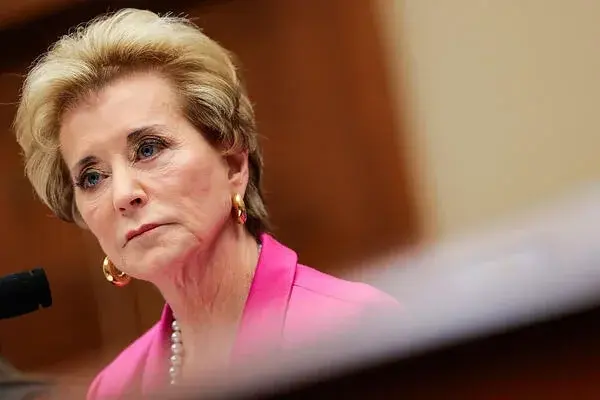
U.S. Education Secretary Linda McMahon has issued a new 'questionnaire' to college leaders, asking them to publicly commit to policy reforms by the end of 2026. This voluntary initiative replaces the previous restrictive 'compact' that was largely rejected by major universities. While the new letter avoids specific mandates like tuition freezes, it demands transparency on issues ranging from grade inflation to foreign influence, aiming to rebuild public confidence in higher education without direct penalties for non-compliance.
Key points
- McMahon’s letter asks institutions to post statements on their websites detailing commitments to reforms such as managing campus protests, containing costs, and ensuring faculty diversity.
- The initiative follows a failed 'compact' from last year that included strict measures like a 15% cap on international enrollment and a five-year tuition freeze, which MIT and others rejected.
- The Education Department states there are no direct penalties for non-participation, but Deputy Chief of Staff Jonathan Pidluzny warned that silence from universities would 'speak volumes' regarding their commitment to American families.
- Public confidence in higher education has dropped to 38%, according to a Lumina Foundation and Gallup poll, with critics citing political agendas and high costs as primary drivers of distrust.
- The Association of Governing Boards of Universities and Colleges argued that reforms should be driven by institutional autonomy and fiduciary responsibility, not political coercion.
Background
This development follows the August 2026 'National Call to Action' where McMahon argued that declining public trust necessitated major sector reforms. It also follows the previous year's 'compact' proposal, which offered federal research funding incentives in exchange for sweeping policy changes but was rejected by most targeted institutions due to concerns over institutional independence.
How outlets are covering it
Outlets highlight different aspects of the strategy. Higher Ed Dive emphasizes the voluntary nature of the new letter and the absence of direct penalties, noting that Pidluzny described it as a 'separate effort' from the previous compact. Politico focuses on the contrast between the new open-ended questions and the previous restrictive mandates, noting the removal of controversial caps on international students and tuition freezes. The Boston Globe frames the move as a direct challenge to institutions like MIT, which previously rejected the administration's terms. Inside Higher Ed notes that while the letter shares themes with the compact, it lacks the specific incentives and rigid requirements that led to its rejection, instead relying on public scrutiny and reputational pressure to drive change.
Why it matters
The shift from a binding compact to a public 'questionnaire' represents a strategic pivot by the Trump administration to influence higher education without triggering legal or constitutional challenges to institutional autonomy. By leveraging public transparency and reputational pressure rather than direct funding cuts or mandates, the administration aims to force internal reforms while maintaining plausible deniability. This approach tests the limits of federal influence over private institutions and could set a precedent for how future administrations engage with the sector, potentially polarizing the higher education landscape between those who comply and those who resist perceived political coercion.
What to watch
Colleges have until the end of 2026 to post their reform statements prominently on their websites. The Education Department has not specified consequences for non-participation, but the administration is monitoring responses to gauge the level of engagement. Industry groups like the Association of Governing Boards will likely continue to advocate for institutional autonomy, while individual universities will decide whether to issue statements that align with the administration's priorities or maintain their current policies. The outcome will depend on whether the public pressure and reputational risks outweigh the concerns about political interference.
- McMahon Sends Reform ‘Questionnaire’ to Colleges insidehighered.com
- Trump administration asks universities, including MIT, to issue public pledges by end of 2026 bostonglobe.com
- McMahon calls on college leaders to commit to policy reforms by end of year Higher Ed Dive
- Trump administration asks colleges to commit to education overhaul Politico
- After Colleges Reject ‘Compact,’ Trump Officials Try a Letter The New York Times
Want the full story? Read the original reporting
Read on insidehighered.com