
Behind the 1962 Cuban Missile Crisis: How a Barroom Rumor and Diplomatic Restraint Averted Nuclear War
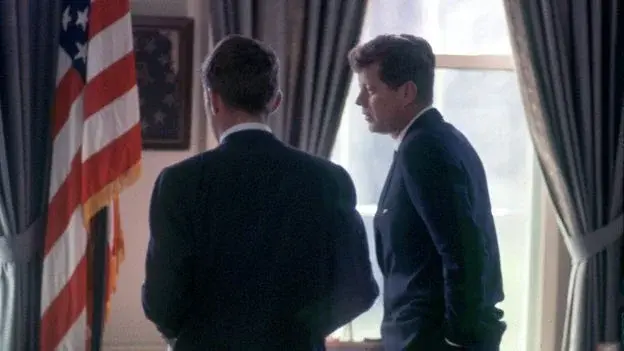
The 1962 Cuban Missile Crisis was averted through a combination of strategic ambiguity, diplomatic patience, and a misinterpreted rumor. While the US discovered Soviet nuclear missiles in Cuba, President Kennedy avoided immediate military action, opting for a naval quarantine. A critical turning point occurred when a KGB agent in Washington misinterpreted a bar conversation as confirmation of an imminent US invasion, prompting Soviet leader Nikita Khrushchev to withdraw the weapons to avoid escalation.
Key points
- US reconnaissance planes identified Soviet nuclear missile sites in Cuba on October 14, 1962, triggering a 13-day standoff.
- President Kennedy rejected military advice for an immediate airstrike and invasion, instead imposing a naval quarantine to allow time for negotiation.
- A KGB agent in Washington misinterpreted a casual conversation between journalists as confirmation of a US invasion plan, alarming Soviet leadership.
- Khrushchev agreed to remove the missiles, partly because Kennedy’s restraint gave him time to reorganize his political position in the Kremlin.
- British Prime Minister Harold Macmillan praised the Kennedys for balancing firmness with an understanding of the Soviet perspective.
Background
This anniversary coverage revisits the 1962 crisis, a pivotal moment in Cold War history. While current geopolitical tensions involve missile technology and supply chains, as seen in recent European defense agreements, the 1962 crisis remains the defining example of how close the world came to nuclear war. The event is often cited in discussions of crisis management and the importance of diplomatic channels over military escalation.
How outlets are covering it
The BBC provides a detailed narrative based on archival interviews, emphasizing the role of a specific, misinterpreted barroom conversation in prompting Khrushchev’s decision to withdraw. The Texarkana Gazette frames the event as a historical anniversary, focusing on the broader Cold War fear it instilled in the American public. The Star Beacon offers a concise 'Today in History' summary, confirming the date of the discovery but providing less detail on the diplomatic nuances. The BBC’s account is the most comprehensive, highlighting the human element and strategic patience, while the other sources serve as brief reminders of the event’s significance.
Why it matters
The Cuban Missile Crisis remains a critical case study in international relations and crisis management. It demonstrates how miscommunication and the threat of nuclear war can be mitigated through diplomatic restraint and strategic ambiguity. The event underscores the importance of clear communication channels and the dangers of assuming worst-case scenarios in high-stakes geopolitical environments.
What to watch
As the 64th anniversary of the crisis approaches, historians and policymakers continue to analyze the event for lessons in modern conflict resolution. The focus remains on how close the world came to nuclear war and the specific decisions that prevented it, serving as a cautionary tale for current global tensions.
- 'They handled it exactly the right way': How the Kennedys averted the 1962 Cuban missile crisis BBC
- John F. Kennedy Solicits Dwight D. Eisenhower’s Advice—The Cuban Missile Crisis, Day Two Council on Foreign Relations
- EDITORIAL | The Missiles of October: Cold War brought years of fear to our nation Texarkana Gazette
- Richard Heyser’s U-2 Flight That Started the Cuban Missile Crisis MiGFlug
- Today in History: October 16, Cuban missile crisis begins Star Beacon
Want the full story? Read the original reporting
Read on BBC