
25 Years Later: Survivors Recall the Final Minutes of the Twin Towers Collapse
As the 25th anniversary of the September 11 attacks approaches, multiple survivors recount their harrowing escapes from the World Trade Center. Accounts highlight the chaos of the initial impacts, the critical decisions that determined survival, and the long-term psychological and physical toll on those who lived. While some emphasize the role of luck and quick thinking, others focus on the enduring trauma and the sense of national unity that followed the attacks.
Key points
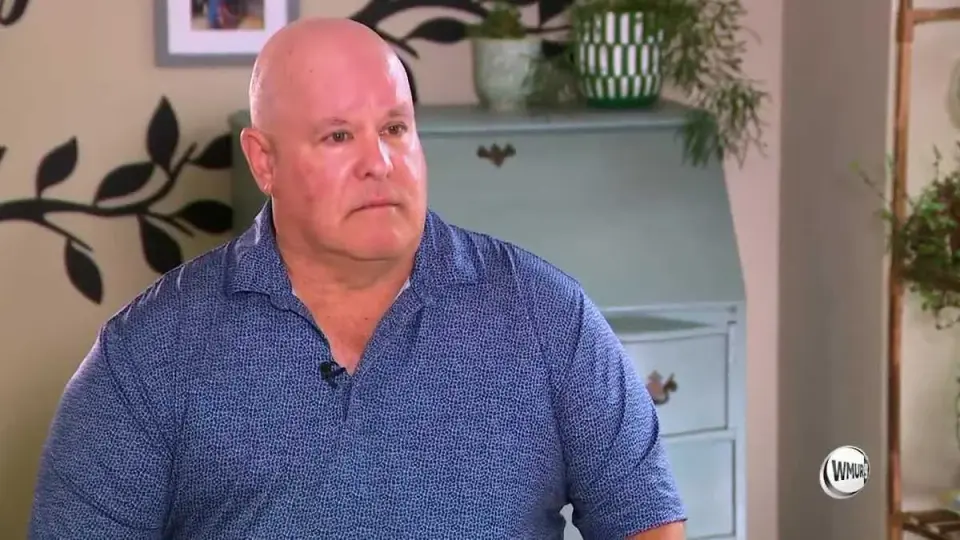
- Jeff Benjamin, a Swiss Re employee in Manchester, N.H., escaped the North Tower after witnessing the American Airlines Flight 11 impact at 8:46 a.m. He credits a firefighter for guiding him to a stairwell, allowing him to reach the ground before the North Tower collapsed at 10:28 a.m.
- Brian Clark and Stanley Praimnath, two strangers who met on the 81st floor of the South Tower, survived by descending 1,620 steps. Clark, a fire warden, led the group down after ignoring a warning to go up, while Praimnath, a loan officer, was rescued from a collapsed wall. They have remained close friends for 25 years.
- Joe Dittmar, a CNA Insurance employee in Lewes, Del., survived the South Tower by staying in a stairwell while others took elevators. He was below the impact zone when United Airlines Flight 175 struck at 9:03 a.m. and escaped before the tower collapsed at 9:59 a.m.
- Elinda Kiss, a Rutgers professor in Deerfield Beach, Fla., escaped the Marriott World Trade Center hotel minutes after the first plane hit. She guided colleagues out of the ballroom and later sent an email to family stating 'Elinda is Alive.' She has kept her suit from that day as a memorial.
- Survivors report varying degrees of long-term trauma. Praimnath suffered memory loss and later developed leukemia, while Dittmar describes hearing the collapse sound daily. Kiss notes a shift in her values toward family and friends, while Clark has become a pacifist.
Background
The September 11, 2001 attacks killed nearly 3,000 people, making them the deadliest terrorist attack in U.S. history. The 25th anniversary in 2026 marks a significant milestone for survivors and responders. Recent years have seen increased attention to the long-term health effects of the attacks, including respiratory issues and mental health challenges, as documented by the World Trade Center Health Registry. The anniversary also coincides with broader national discussions about security and resilience in the face of terrorism.
How outlets are covering it
WMUR focuses on Jeff Benjamin's personal narrative, emphasizing the role of first responders and the emotional impact on his family. The Guardian highlights the bond between Clark and Praimnath, framing their survival as a testament to human connection and faith. WDEL centers on Joe Dittmar's decision-making, stressing the critical choice to remain in the stairwell. The Sun Sentinel emphasizes Elinda Kiss's gratitude and the broader societal shift in perceptions of safety, noting the lack of PTSD in some survivors compared to others. Outlets differ in their emphasis: some focus on individual heroism, while others highlight the collective trauma and the changing landscape of American security.
Why it matters
These survivor accounts provide a human dimension to the 25th anniversary of 9/11, illustrating the immediate and long-term impacts of the attacks. They underscore the importance of emergency preparedness and the resilience of individuals in the face of tragedy. The stories also highlight the ongoing mental and physical health challenges faced by survivors, informing current discussions about disaster response and public health policy. As the nation marks this anniversary, these narratives serve as a reminder of the cost of terrorism and the enduring spirit of those who survived.
What to watch
The 25th anniversary of 9/11 will be marked by memorial services, stair climbs, and public ceremonies across the United States. Survivors like Clark and Praimnath plan to attend local events, while others will share their stories in schools and churches. Health officials may release new data on the long-term effects of the attacks, and policymakers may revisit funding for survivor healthcare. The anniversary is expected to reignite national conversations about security, unity, and the legacy of 9/11.
- 'We're getting out of here'; Manchester man was among those who escaped North Tower on 9/11 WMUR
- 25 years ago, two strangers met in the twin towers and escaped on 9/11. What happened next? The Guardian
- Lewes man shares harrowing story of surviving 9/11 South Tower attack WDEL
- ‘I realized how lucky I was’: A Sept. 11 survivor in South Florida shares her account of chaos & courage Sun Sentinel
- 25 years later, Houston man finds World Trade Center ATM receipt from 39 minutes before 9/11 attacks Click2Houston
Want the full story? Read the original reporting
Read on WMUR