
DHS Proposes $103,265 H-1B Fee to Fund Immigration Courts After Court Blocks Proclamation
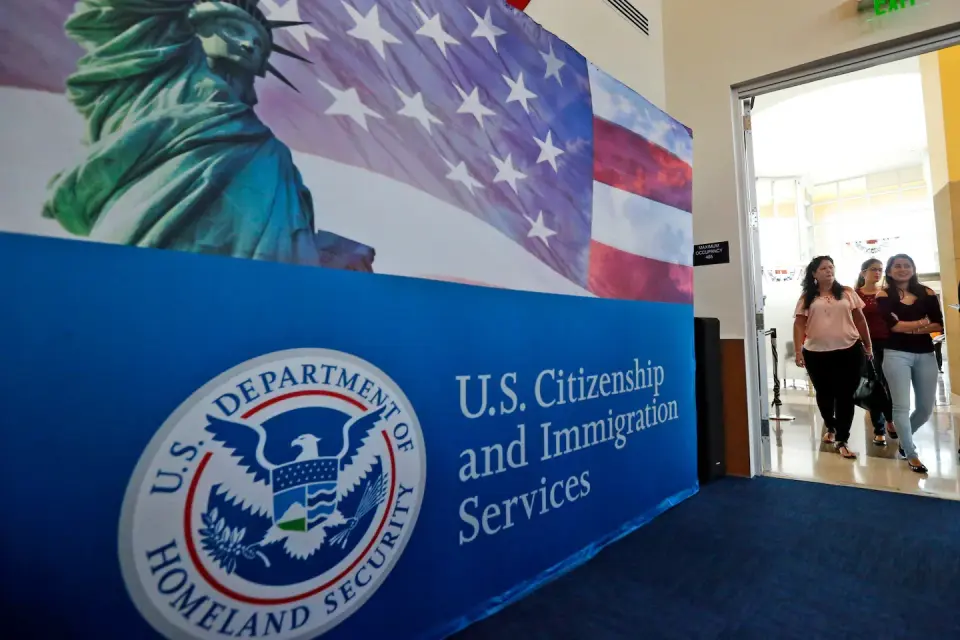
The Trump administration has proposed a $103,265 fee for H-1B visa petitions, aiming to fund immigration courts and enforcement. This regulatory move follows a federal judge’s ruling that struck down a previous executive order imposing a similar fee. The new proposal includes a 30-day comment period and could be finalized by year’s end, potentially impacting industries reliant on skilled foreign workers.
Key points
- The Department of Homeland Security (DHS) posted a proposed regulation on Monday, August 24, 2026, setting the H-1B visa fee at $103,265.
- Revenue from the fee is designated to fund federal immigration courts and U.S. Immigration and Customs Enforcement (ICE).
- The proposal initiates a 30-day public comment period, with potential formalization by the end of 2026.
- A federal judge in June 2026 struck down a previous executive order imposing a similar fee, deeming it an unauthorized tax.
- The 1st U.S. Circuit Court of Appeals recently declined to stay the lower court’s order blocking the fee.
- Indian nationals account for 71% of approved H-1B beneficiaries, making them particularly vulnerable to the cost increase.
Background
This development follows a series of legal setbacks for the Trump administration’s immigration agenda, including a recent ruling that vacated a visa suspension for 75 countries. Earlier in 2026, the administration also imposed caps on student visas and journalist stays, reflecting a broader strategy to restrict non-immigrant entry. The H-1B program, which offers 65,000 annual visas plus 20,000 for advanced degree holders, has been a focal point of debate regarding foreign labor and domestic job competition.
How outlets are covering it
The Washington Post emphasizes the legal strategy of the administration, noting that the new regulatory proposal follows a judicial strike-down of a previous executive order, suggesting a shift from proclamation to rulemaking to bypass legal hurdles. The Hindustan Times highlights the disproportionate impact on Indian nationals, who constitute 71% of H-1B beneficiaries, and notes the potential spillover effects on Optional Practical Training (OPT) for international students. While both sources agree on the fee amount and the legal context, the Washington Post focuses on the funding mechanism for immigration courts, whereas the Hindustan Times centers on the demographic and economic consequences for specific national groups.
Why it matters
The proposed fee could significantly alter the cost-benefit analysis for employers hiring skilled foreign workers, potentially reducing H-1B usage in tech, education, and research sectors. If finalized, the fee would generate substantial revenue for immigration enforcement, but it may also face further legal challenges. The move signals the administration’s intent to maintain pressure on non-immigrant visa programs despite judicial resistance, with potential ripple effects for international students and global talent mobility.
What to watch
The 30-day public comment period will conclude in late September 2026, after which DHS may finalize the rule. Employers and advocacy groups are expected to submit comments challenging the fee’s legality and economic impact. The administration may also move forward with the proposed OPT fee, potentially creating a combined financial barrier for international students transitioning to work visas. Legal challenges are likely if the fee is implemented, given the prior court rulings.
- Trump administration proposes $103,000 fee for H-1B visas after legal setback The Washington Post
- Government Proposes New Six-Figure Fee for H1-B Visas WSJ
- United States: DHS to Propose New H-1B and OPT Fees Fragomen
- New $100,000 H-1B Fee Planned for Visa Workers Already in US Bloomberg
- US plans to hike H-1B visa fee over $100,000, moves to make it permanent; Indians may face impact Hindustan Times
Want the full story? Read the original reporting
Read on The Washington Post