
Netanyahu’s UN Visit: A Domestic Campaign Amid Global Isolation
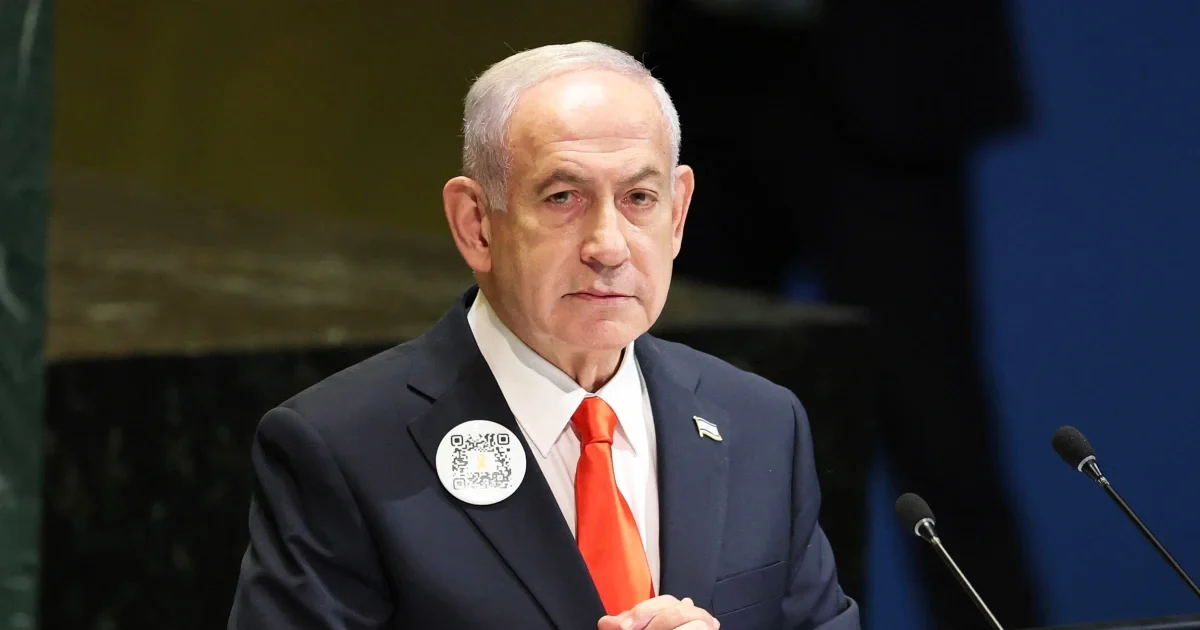
Benjamin Netanyahu is addressing the UN General Assembly on Thursday, but analysts suggest his primary audience is Israeli voters ahead of the October 27 election. The visit is marked by diplomatic isolation, including a lack of meetings with President Trump and protests from New York Mayor Zohran Mamdani. Netanyahu aims to project strength against international criticism, though his domestic support faces challenges from the right wing and recent electoral disqualifications.
Key points
- Netanyahu’s UN speech is seen as a strategic move to rally domestic support before the October 27 elections, rather than a diplomatic success.
- The visit is brief, with Netanyahu returning to Israel for the Sukkot holiday, and lacks high-level US meetings due to Trump’s focus on China.
- New York Mayor Zohran Mamdani has threatened to arrest Netanyahu for war crimes, a move Netanyahu has used in campaign ads to portray himself as a defiant leader.
- Israeli right-wing critics accuse Netanyahu of being insufficiently tough on Iran and its proxies, complicating his domestic political standing.
- The UN General Assembly is expected to see delegates walk out in protest over Israel’s actions in Gaza, a spectacle Netanyahu’s supporters may view as evidence of global bias.
Background
This event follows a period of heightened tensions, including the disqualification of major Arab parties from the upcoming Israeli elections and a recent security threat that led to the evacuation of Netanyahu’s son from the US. The current UN visit is part of a broader pattern of international criticism regarding Israel’s military operations in Gaza, which has resulted in over 75,000 deaths according to Palestinian health officials.
How outlets are covering it
NBC News emphasizes the domestic political calculations behind Netanyahu’s UN appearance, noting that his speech is designed to appeal to Israeli voters and that the empty chamber due to protests may actually benefit his image as a 'defiant truth teller.' MS NOW highlights the diplomatic isolation, pointing out that President Trump has no plans to meet with Netanyahu and that American public opinion of Israel has reached historic lows. Both sources agree on the significance of the Mamdani controversy, but MS NOW frames it as a symbol of Netanyahu’s lack of allies in Washington, while NBC focuses on how Netanyahu is leveraging the controversy for domestic political gain.
Why it matters
The outcome of the October 27 elections will determine the future direction of Israeli policy, particularly regarding the Gaza conflict and relations with the US. Netanyahu’s ability to maintain domestic support despite international isolation and internal right-wing criticism is crucial for his political survival and the stability of the region.
What to watch
Netanyahu is expected to return to Israel shortly after his UN address to prepare for the October 27 elections. The disqualification of Arab parties may face legal challenges in the Supreme Court, potentially altering the electoral landscape. International criticism of Israel is likely to continue, with potential repercussions for US-Israel relations.
- Israel’s Netanyahu takes the U.N. stage facing global isolation and a fight for his political future NBC News
- Beleaguered at Home, a Bellicose Netanyahu Heads to the U.N. The New York Times
- Netanyahu arrives in New York to address the UN, and other Mideast developments WAVY.com
- Netanyahu’s lonely and Trumpless trip to the United Nations MS NOW
- Netanyahu's fleeting visit to New York mirrors strained US ties Reuters
Want the full story? Read the original reporting
Read on NBC News