
U.S. to Fund 40,000 Heavy Bombs for Israel in Record Deal
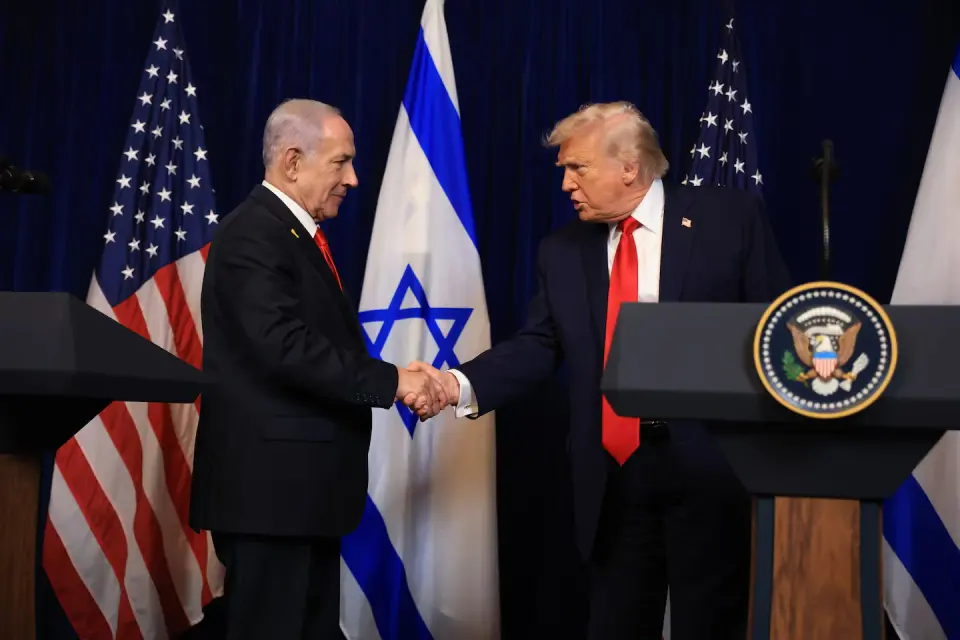
The Trump administration is finalizing a $2.8 billion transfer of 40,000 2,000-pound bombs to Israel, the largest single shipment of this munition in years. The deal uses Foreign Military Financing, meaning U.S. taxpayers fund the purchase rather than Israel paying for the weapons. Congressional committees have been notified, but the process bypasses traditional sales mechanisms, limiting legislative opposition. The move faces criticism due to the bombs' use in civilian areas and declining American public support for aid to Israel.
Key points
- The deal includes 40,000 2,000-pound bombs, primarily MK-84s and BLU-117s, valued at $2.8 billion.
- Funding comes from the Foreign Military Financing program, effectively gifting the weapons rather than selling them.
- The transfer is the largest single sale of these specific munitions in recent years.
- Congressional committees were notified, but the process may limit opportunities for legislative pushback.
- Public opinion polls show a majority of Americans oppose additional military aid to Israel.
Background
This follows a series of U.S. arms approvals for Israel and Saudi Arabia in early 2026 and a June 2026 effort by Netanyahu to end U.S. military aid, which was opposed by some GOP members. The current deal reverses a previous Biden administration restriction on these specific bombs during the Gaza conflict.
How outlets are covering it
The Washington Post and The New York Times confirm the $2.8 billion value and 40,000-bomb count, emphasizing the scale and civilian harm potential. Rolling Stone highlights the 'gift' nature of the deal via Foreign Military Financing and public opposition. WJLA reports the story as a developing report without specific financial details. All sources agree on the munition type and the administration's intent, but differ on the emphasis of the political and financial mechanisms.
Why it matters
The deal signals a shift in U.S. foreign policy toward unconditional support for Israel, bypassing traditional sales processes. It risks straining U.S.-Israel relations with domestic political opposition and international criticism over civilian casualties, while setting a precedent for using Foreign Military Financing for large-scale transfers.
What to watch
The sale is expected to proceed as the administration has notified congressional committees. It is unclear if lawmakers will successfully block the transfer, given the bypass of traditional sale processes. The deal may face further scrutiny as public opposition to aid to Israel grows.
- Trump’s planned sale of controversial bombs to Israel is largest in years washingtonpost.com
- Trump administration plans $2.8 billion munitions sale to Israel, sources say Reuters
- Trump Approves $2.8 Billion Arms Sale to Israel The New York Times
- Trump administration to send thousands of bombs to the government of Israel: reports WJLA
- Trump Is Reportedly Sending Israel $2.8 Billion in Bombs. You’re Paying for Them Rolling Stone
Want the full story? Read the original reporting
Read on washingtonpost.com