
Carney Echoes Trump's 'Nasty' Label as Canada Prepares for 50% Tariff Deadline
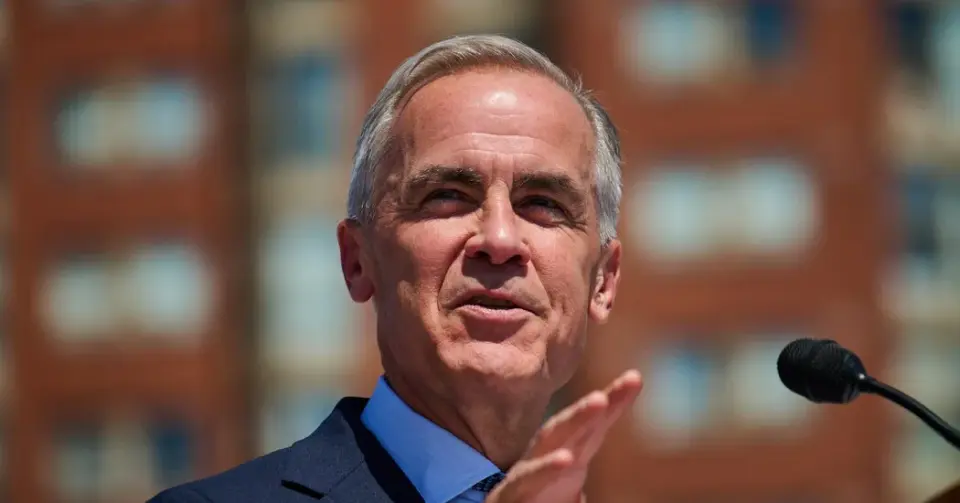
Canadian Prime Minister Mark Carney adopted President Trump's 'nasty' descriptor for trade negotiations, framing the dispute as a fight for Canadian jobs. With 50% tariffs on $20 billion in goods set to take effect on August 19, officials are holding 'constructive' talks in Washington. The friction is compounded by Trump's new threats to penalize Canada for wildfire smoke, a move experts attribute to climate change rather than negligence.
Key points
- Carney described the trade talks as 'nasty' and 'tough,' emphasizing the stakes for Canadian businesses and jobs.
- Trump signed an order for 50% tariffs on approximately $20 billion in Canadian exports, effective August 19.
- Canadian trade officials met with U.S. Trade Representative Jamieson Greer in Washington for an hour-long session.
- Trump threatened additional 'punishment' for wildfire smoke, claiming Canada is failing at forest management.
- Carney rejected 'targeted' deals, insisting on a comprehensive agreement, while maintaining regular contact with Trump.
Background
Relations between the U.S. and Canada have deteriorated significantly since 2025, marked by a 25% drop in Canadian tourism and previous threats regarding the '51st state' and bridge construction. In July, Trump linked wildfire smoke to tariffs, a stance contradicted by climate scientists who cite rising temperatures and drought as primary drivers. Canada has already conceded on digital taxes and streaming levies, but maintains that provincial alcohol bans are retaliatory measures requiring a broader resolution.
How outlets are covering it
The New York Times and CBC highlight the rhetorical exchange, noting Carney’s decision to use Trump’s own language to frame the negotiation as a defense of Canadian interests. The Washington Post and The Independent focus on the environmental dimension, contrasting Trump’s claim of Canadian 'negligence' with expert data on climate change and the U.S. having its own wildfires. While the NYT emphasizes the diplomatic channel between Carney and Trump, the Independent notes the political backlash from figures like Bernie Sanders, who argue the U.S. is blaming allies while ignoring Big Oil's role in the climate crisis.
Why it matters
The August 19 deadline represents a critical juncture for North American supply chains. If the 50% tariffs are implemented without a comprehensive deal, they could disrupt industries ranging from automotive to agriculture. Furthermore, the politicization of wildfire smoke sets a dangerous precedent for using environmental disasters as leverage in trade disputes, potentially undermining international cooperation on climate issues.
What to watch
Negotiations will continue in the lead-up to August 19, with Canadian officials aiming for a 'global' deal rather than piecemeal agreements. The U.S. Senate is expected to vote on a contempt resolution against former NIH director Anthony Fauci, while Trump is expected to detail his specific 'punishment' for Canada regarding wildfire smoke. The outcome of the trade talks will determine whether the 50% tariffs are suspended or enforced.
- After Trump Calls Canadians ‘Nasty,’ Mark Carney Says the Word Fits Trade Talks The New York Times
- Analysis | U.S.-Canada relations go up in smoke The Washington Post
- Canada has 'nasty leadership,' says Trump during Las Vegas speech CBC
- Carney, pressed on Trump's 'nasty' Canada quip, says he is defending workers Reuters
- Trump says he’s decided on a punishment for Canada over wildfire smoke blanketing the US: ‘You’ll find out’ The Independent
Want the full story? Read the original reporting
Read on The New York Times