
US and China Extend Trade Truce to January 10 Ahead of Xi's Historic Washington Summit
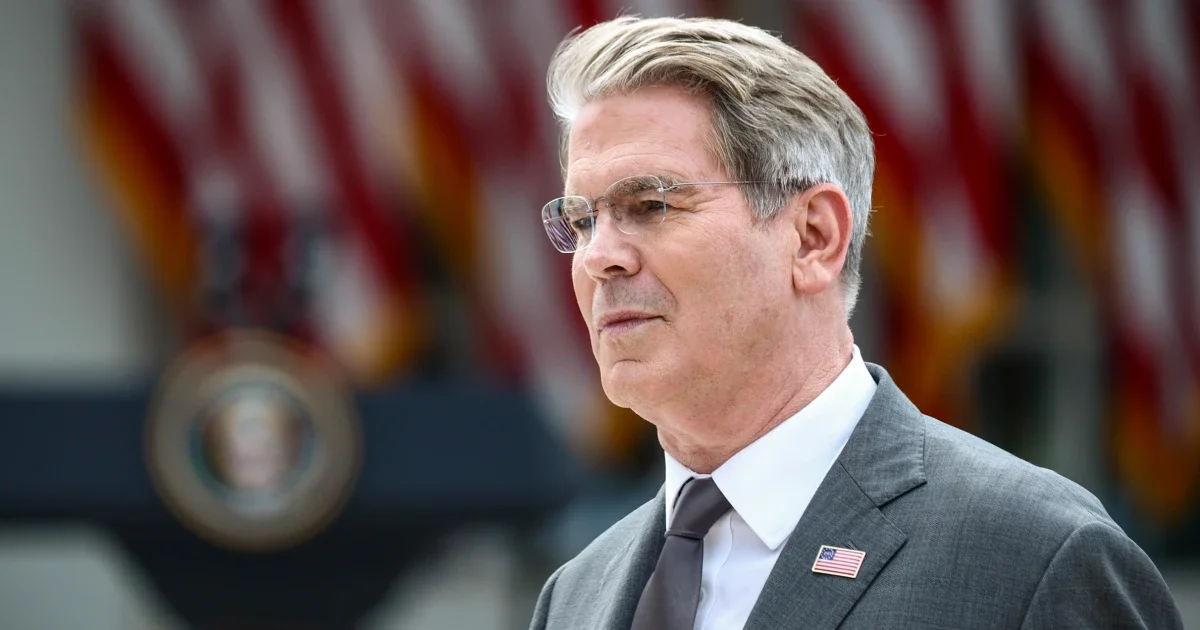
The United States and China have agreed to extend their bilateral trade truce from November 10 to January 10. Treasury Secretary Scott Bessent announced the extension following an unscheduled meeting with Chinese Vice Premier He Lifeng. This move precedes Chinese President Xi Jinping's state visit to Washington, his first since 2015, where leaders will discuss trade, artificial intelligence, and Taiwan.
Key points
- Treasury Secretary Scott Bessent confirmed the extension of the 'Busan Agreement' trade truce to January 10, replacing the previous November 10 deadline.
- The announcement occurred minutes after Chinese President Xi Jinping arrived at Joint Base Andrews for a state visit, his first in over a decade.
- Bessent indicated that a larger economic package might be finalized by January, or the current deal could simply be rolled over again.
- US Trade Representative Jamieson Greer noted potential agreements on lower tariffs for consumer goods from China and energy or agricultural products from the US.
- The two nations also proposed exchanging alerts regarding AI-related hacking incidents that threaten national security.
Background
This development follows a period of intense trade negotiations and a previous state visit by President Trump to China. Recent data shows China's export growth driven by AI demand, while domestic economic challenges persist. The current summit is the third meeting between the leaders since Trump returned to office, building on the initial truce struck in Busan, South Korea.
How outlets are covering it
NBC News emphasizes the economic stability benefits of the extension and highlights Bessent's concerns about China's incomplete deliverables. The Financial Times focuses on the diplomatic significance of Xi's visit, noting the unprecedented military honors and the presence of major tech executives at the state dinner. While NBC frames the extension as a pragmatic roll-over of the current deal, the Financial Times highlights Xi's statement that the two nations should be 'partners, not rivals,' suggesting a broader strategic shift in relations.
Why it matters
Extending the trade truce provides crucial stability for global supply chains and markets, preventing a sudden spike in tariffs. The summit also sets the stage for potential breakthroughs in AI regulation and agricultural trade, which could impact global economic policy and technological competition between the world's two largest economies.
What to watch
Leaders are expected to hold extensive meetings and cultural events through Friday. Further announcements on agricultural purchases and financial services deals are anticipated. The outcome of the January 10 deadline will determine whether a comprehensive new trade framework is established or if the truce is extended again.
- U.S. and China agree to extend trade truce through Jan. 10, Bessent says NBC News
- US-China Truce Extended as Xi Gets Rare Welcome From Trump Bloomberg.com
- Xi Jinping arrives for high-stakes summit with Donald Trump as leaders extend trade truce Financial Times
- US, China agree to extend 'the Busan agreement' until January, Bessent says Reuters
- Donald Trump Extends China Trade Deal as Xi Arrives for US Visit Newsweek
Want the full story? Read the original reporting
Read on NBC News