
Washington Blocks Palestinian Leaders from U.N. General Assembly for Second Year
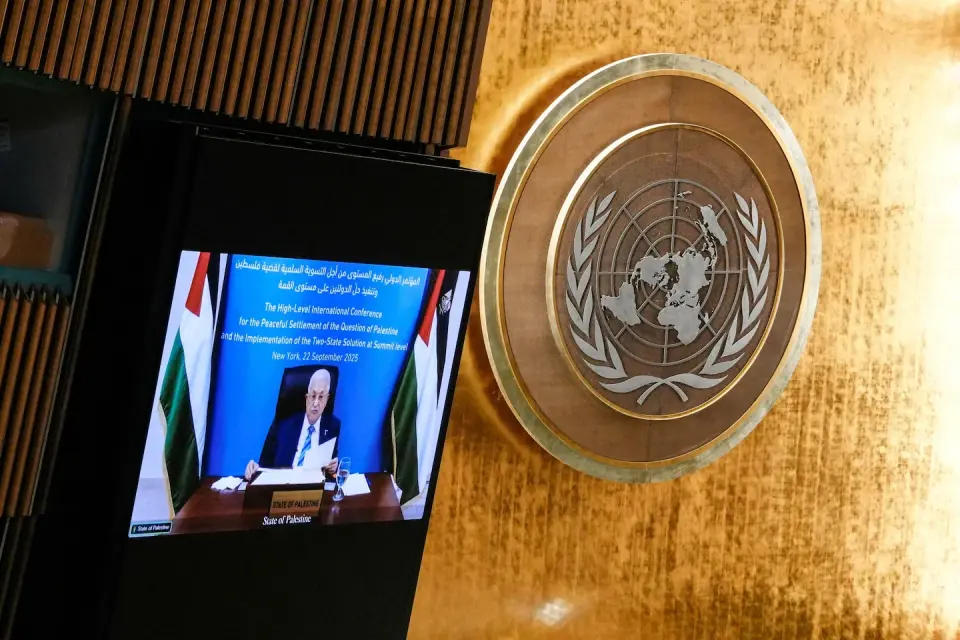
The U.S. State Department has denied visas to Palestinian Authority and Palestine Liberation Organization officials, including President Mahmoud Abbas, for the upcoming U.N. General Assembly in New York. This marks the second consecutive year such restrictions have been imposed. Washington cited the Palestinian leadership's failure to reform and ongoing actions that undermine peace prospects, including legal actions against Israel and payments to families of prisoners. Palestinian officials condemned the move as unjustified, while the U.N. is expected to vote on allowing Abbas to address the assembly via video link.
Key points
- The U.S. denied visas to key Palestinian officials, including PA President Mahmoud Abbas, for the U.N. General Assembly, a move repeated for the second year in a row.
- The State Department justified the denial by citing the Palestinian Authority's failure to reform and activities that undermine peace, such as pursuing legal action against Israel at the International Court of Justice and International Criminal Court.
- The U.S. also cited continued payments by the Palestinian Authority to families of prisoners convicted of attacks against Israelis as a reason for the visa restrictions.
- Palestinian officials labeled the decision an 'unjustified measure' that hinders diplomatic relations and peace efforts in the region.
- The U.N. General Assembly is expected to vote on whether to allow Abbas to address the meeting by video link, as he did in 2025.
- The visa denials do not apply to personnel already accredited to the PLO Observer Mission to the United Nations, ensuring some Palestinian representation at the U.N.
Background
This visa denial follows a similar action in 2025, when Mahmoud Abbas addressed the U.N. General Assembly via video link after being denied entry. The current restrictions occur amid a fragile U.S.-brokered ceasefire in Gaza, which has been undermined by continued Israeli strikes. The move also aligns with the Trump administration's broader campaign to dismantle the International Criminal Court, which it accuses of unfairly prosecuting U.S. and Israeli soldiers. The 1947 treaty establishing the U.N. headquarters requires the U.S. to grant visas to U.N. mission representatives without impediment, a provision that the current sanctions appear to bypass for non-accredited officials.
How outlets are covering it
The Washington Post and NBC News both report on the visa denials but emphasize different aspects. The Washington Post highlights the legal and diplomatic implications, noting the 1947 U.N. headquarters treaty that requires the U.S. to grant visas to U.N. mission representatives without impediment. It also focuses on the potential for Abbas to address the U.N. via video link. NBC News, on the other hand, emphasizes the broader context of the Trump administration's foreign policy, linking the visa denials to the U.S. alliance with Israel and the administration's campaign against the International Criminal Court. NBC also notes that the visa denials are part of a pattern of restrictions by the Trump administration, further signaling the close U.S.-Israel relationship.
Why it matters
The visa denials signal a significant shift in U.S. foreign policy toward the Palestinian Authority and the Palestine Liberation Organization, reflecting the Trump administration's close alignment with Israel. The move could further isolate the Palestinian leadership internationally and complicate peace efforts in the region. It also raises questions about the U.S. adherence to international agreements, such as the 1947 U.N. headquarters treaty, and the potential impact on U.S.-Palestinian relations. The decision may also influence the U.N. General Assembly's approach to the Israeli-Palestinian conflict, as it could set a precedent for future diplomatic engagements.
What to watch
The U.N. General Assembly is expected to vote on whether to allow Mahmoud Abbas to address the meeting via video link. The outcome of this vote will determine whether Abbas can participate in the U.N. proceedings, despite the visa denials. The U.S. and Palestinian leadership may continue to engage in diplomatic efforts to address the visa restrictions, though the current stance suggests a short-term impasse. The broader implications of the visa denials on U.S.-Palestinian relations and the Israeli-Palestinian conflict will likely be a focus of international attention in the coming weeks.
- U.S. denies visas to Palestinian officials ahead of U.N. General Assembly washingtonpost.com
- Trump administration again denies visas for Palestinian delegation to attend the U.N. General Assembly NBC News
- US rejects Abbas’s entry visa, forcing him to again address UN virtually The Times of Israel
- State Department Extends Visa Ban on Abbas, Other Palestinian Officials The New York Times
- US extends visa denial for Palestinian officials before UNGA DW.com
Want the full story? Read the original reporting
Read on washingtonpost.com