
One Year of U.S. Boat Strikes: 227 Dead, Legal Chaos, and Failed Policy
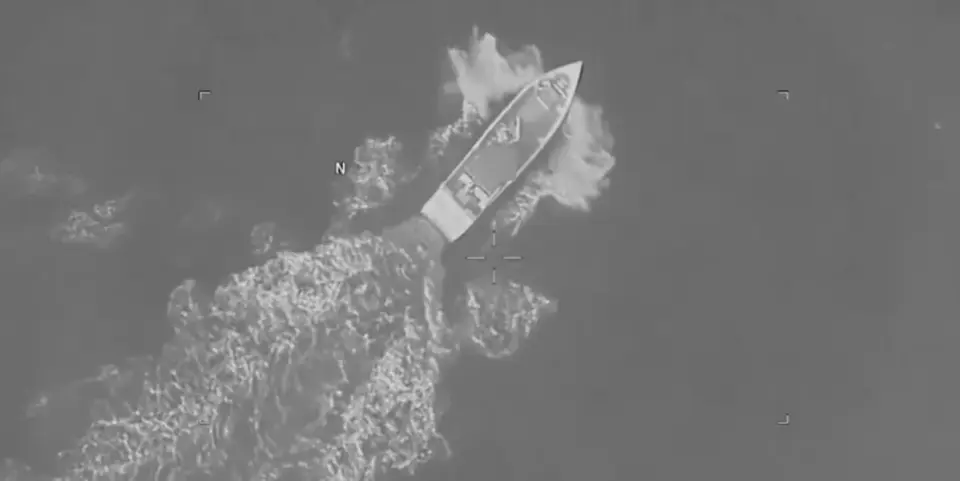
The U.S. military has conducted over 65 strikes on suspected drug boats in the Caribbean and Pacific since September 2025, killing at least 227 people. Critics call the campaign illegal and ineffective, while the administration defends it as a necessary counter-narcotics measure.
Key points
- Since September 2, 2025, U.S. forces have launched more than 65 strikes on vessels in the Caribbean and Pacific, resulting in over 225 confirmed civilian deaths, with 227 total fatalities reported by The Intercept.
- The campaign, dubbed Operation Southern Spear, began with a double-tap strike on a boat carrying 11 men, where survivors were killed after the initial explosion, a move described by officials as a breach of international law.
- A classified Justice Department memo justifies the strikes by claiming narcotics on the boats are lawful military targets, asserting the U.S. is in a 'non-international armed conflict' with cartels, a stance rejected by legal experts and some government officials.
- Retired Coast Guard officers argue the strikes are ineffective, noting that cocaine prices and availability in the U.S. have returned to pre-operation levels, and that the military approach destroys evidence needed to dismantle trafficking networks.
- The U.S. has faced diplomatic backlash, with the UK, Canada, and the Netherlands curtailing intelligence sharing, and Congress has withheld 25% of travel funds from the Pentagon until overdue reports on the strikes are delivered.
Background
This campaign is part of a broader U.S. strategy in the Western Hemisphere, including the 'Donroe Doctrine' and the formation of the Americas Counter Cartel Coalition. The strikes follow a pattern of increased military intervention in the region, including operations in Venezuela, Ecuador, and Mexico, and have been linked to broader tensions in the Western Hemisphere.
How outlets are covering it
The Intercept and legal experts like Brian Finucane argue the strikes are illegal extrajudicial killings, violating the laws of war and constituting crimes against humanity. They emphasize the lack of due process and the killing of non-combatants. In contrast, the U.S. Southern Command and the Trump administration defend the strikes as lawful and necessary to combat drug trafficking, citing a classified legal opinion. Retired Coast Guard officers, writing in Just Security, argue the strikes are not only illegal but also ineffective, as they destroy evidence and do not reduce drug availability in the U.S. The Pentagon has withheld detailed information about the strikes, leading to bipartisan criticism and a funding hold in the 2026 defense bill.
Why it matters
The boat strike campaign represents a significant shift in U.S. foreign and domestic policy, raising questions about the limits of military power in law enforcement and the rule of law. It has strained alliances with key partners and raised concerns about the effectiveness and legality of counter-narcotics operations. The campaign also highlights the broader trend of U.S. intervention in the Western Hemisphere, which has increased tensions and instability in the region.
What to watch
The U.S. has resumed strikes after a 63-day pause, with new operations in the Pacific and Caribbean. The creation of Joint Task Force Western Hemisphere signals a continued and possibly expanded campaign. Congress is likely to continue pressing for accountability and transparency, while international partners may further limit cooperation. The legal and diplomatic fallout from the strikes is expected to persist, with potential lawsuits and further diplomatic consequences.
Want the full story? Read the original reporting
Read on The Intercept