
Canada-U.S. Trade Talks Intensify Before Midterms, but Sources Cite Wide Gap
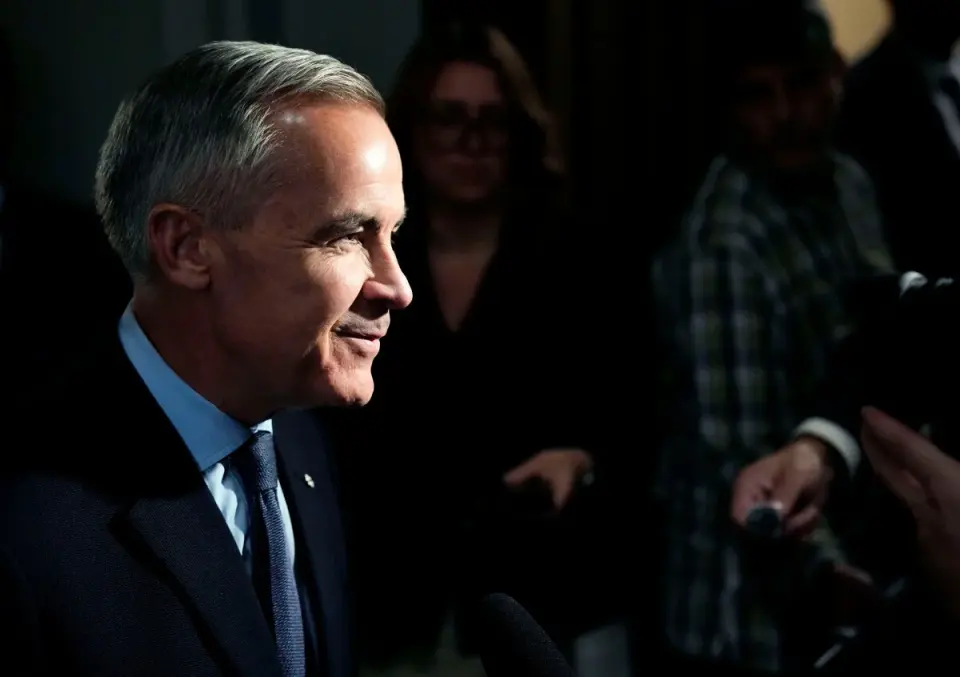
Canadian Prime Minister Mark Carney stated that recent trade discussions with the U.S. have intensified slightly, but emphasized that any progress stems from Washington moving closer to Ottawa’s demands. While U.S. officials suggest a deal is imminent before the November 3 midterms, Canadian sources indicate significant unresolved issues remain, particularly regarding auto and steel tariffs. Carney expressed doubt that President Trump would honor a new agreement, citing previous broken promises. The U.S. has recently adjusted tariffs, lifting some while imposing new ones on goods like cocoa and sewage sludge, a move influenced by political pressure in key Senate races.
Key points
- Carney described a 'slight intensification' of talks but maintained Canada’s negotiating position is unchanged.
- U.S. economic adviser Kevin Hassett claimed negotiations are 'gathering steam' and close to a deal.
- Canadian sources told CBC and Global News that substantive conversations are occurring, but key elements remain unresolved.
- Trump lifted some 50% tariffs on Canadian goods but imposed new tariffs on items like cocoa powder and paints.
- Carney acknowledged he cannot guarantee Trump will 'sign in pen' and honor a future agreement.
Background
This development follows the collapse of trade talks in August, when Canada rejected U.S. terms that crossed its 'red lines,' leading to 50% tariffs on roughly $20 billion in Canadian goods. The current negotiations occur eight days before U.S. midterm elections, where trade issues have become a focal point in Republican Senate races in Michigan and Maine. Carney has also been exploring closer ties with the European Union, hosting leaders in Montreal to discuss potential associate membership, as part of a strategy to diversify exports away from the U.S.
How outlets are covering it
AP News and Global News highlight the political pressure on Trump to reach a deal before the midterms, noting that Canadian sources view the current momentum as a window to secure concessions. However, CBC News and Radio-Canada sources emphasize that while talks are frequent, they are not at the negotiating table yet, and the gap between sides remains wide. Global News sources expressed skepticism that a deal can be finalized before November 3, citing Trump’s history of blowing up agreements. Carney’s stance is consistent across outlets: he is willing to sign a deal that benefits Canadians but refuses to accept terms that violate his red lines, such as restrictions on trade with other countries or weakened French language requirements.
Why it matters
The outcome of these talks will significantly impact the U.S. midterm elections, particularly in battleground states like Michigan and Maine, where tariffs have hurt local businesses and farmers. A deal could provide political relief for Republican candidates, while a failure may deepen economic tensions. For Canada, the negotiations determine the future of its auto and steel industries and its ability to diversify trade partnerships, including potential closer ties with the EU. The reliability of any agreement is also a key concern, given past breaches by the U.S. administration.
What to watch
Canada and the U.S. are expected to continue high-level political discussions in the coming days, with the possibility of formal negotiations resuming if a framework is agreed upon. The U.S. midterm elections on November 3 will likely influence the urgency and outcome of the talks. Carney is set to host EU leaders in Montreal to explore economic and security ties, potentially as a hedge against U.S. trade policies. The next formal trade negotiations may occur after the midterms, depending on the political landscape in Washington.
- Carney says Trump moving closer to Canada’s trade demands as midterms loom AP News
- EXCLUSIVE: US, Canada working on deal to ease steel, auto tariffs, sources say Reuters
- Canada-U.S. trade talks ‘moving quickly’ at political level ahead of midterms: sources - National Global News
- Hassett Says US-Canada Trade Talks Are ‘Very Close’ to Deal Bloomberg.com
- Canada-U.S. trade talks intensifying but wide gap remains, sources say CBC
Want the full story? Read the original reporting
Read on AP News