
Carney Sets Auto Sector Viability as Non-Negotiable in US Trade Talks
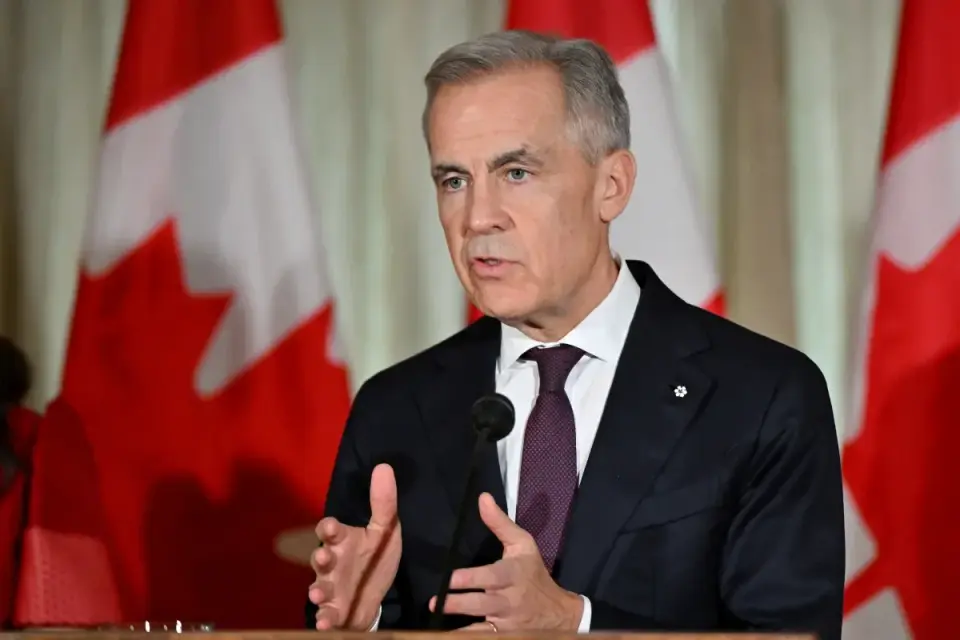
Canadian Prime Minister Mark Carney has declared that protecting the domestic automotive industry is a fundamental condition for any trade agreement with the United States. Speaking in Manila, Carney confirmed ongoing negotiations with President Donald Trump but emphasized that Ottawa will not accept terms that undermine Canadian manufacturing jobs. This stance coincides with Canada’s aggressive push to diversify trade through new agreements with the Philippines and the Association of Southeast Asian Nations (ASEAN), aiming to reduce reliance on the US market.
Key points
- Carney stated that the government will not settle for a US deal inconsistent with a viable Canadian auto sector.
- Ottawa has given Stellantis 30 days to address alleged breaches of a funding agreement or face legal action.
- Canada has substantially concluded free-trade negotiations with ASEAN and completed talks with the Philippines.
- The US imposed 50% tariffs on approximately $20 billion in Canadian goods after talks collapsed in August.
- Carney described the auto sector as the most challenging issue in current trade negotiations with Washington.
Background
Canada and the US suspended trade negotiations in August 2026 after Washington imposed 50% tariffs on $20 billion in Canadian goods, prompting Canadian retaliation in September. Discussions have since resumed, with both sides signaling progress in early November. Simultaneously, Ottawa has pursued new trade partners to mitigate economic dependence on the US, which accounts for 72% of Canadian exports.
How outlets are covering it
Newsweek and CBC highlight Carney’s firm stance on the auto sector, describing it as a 'red line' and a 'fundamental issue.' The Washington Post and AP News emphasize the broader diplomatic context, noting that while progress is being made, a deal is not yet finalized. All sources agree that Canada is actively diversifying trade through Asian agreements to leverage its position in US negotiations. Newsweek and CBC provide specific details on the Stellantis dispute, including the potential legal action and the 'aggressive package' offered to retain the Brampton plant, whereas AP and WaPo focus more on the high-level diplomatic exchanges and the Asian trade breakthroughs.
Why it matters
The outcome of these negotiations will determine the future of thousands of jobs in Canada’s automotive sector and influence the broader North American supply chain. Canada’s success in securing new Asian trade deals could shift its economic leverage in US relations, potentially forcing Washington to reconsider its tariff policies. The Stellantis dispute also sets a precedent for how Ottawa will enforce funding agreements with multinational corporations, impacting future industrial policy and foreign investment strategies.
What to watch
Carney is expected to continue high-level discussions with Trump and other officials, including a potential meeting with Chinese President Xi Jinping. The government aims to sign the ASEAN and Philippines trade agreements in 2027. Meanwhile, the 30-day deadline for Stellantis to address funding breaches is approaching, with potential legal action looming if the company does not meet its obligations. Ongoing negotiations will determine whether a bilateral US-Canada deal can be reached before the end of the year.
- Carney Draws Red Line On Trump Trade Deal Over Auto Jobs Newsweek
- Carney says U.S. and Canada ‘making progress’ towards possible trade deal The Washington Post
- Canada’s Carney reports progress in trade talks with Trump as he expands ties with Asia AP News
- Canada, US make progress on trade deal, Carney says Reuters
- Carney says Canada will only sign a U.S. trade deal that includes viable auto sector CBC
Want the full story? Read the original reporting
Read on Newsweek