
Carney warns Canada may pivot to Chinese auto investment if US trade talks fail
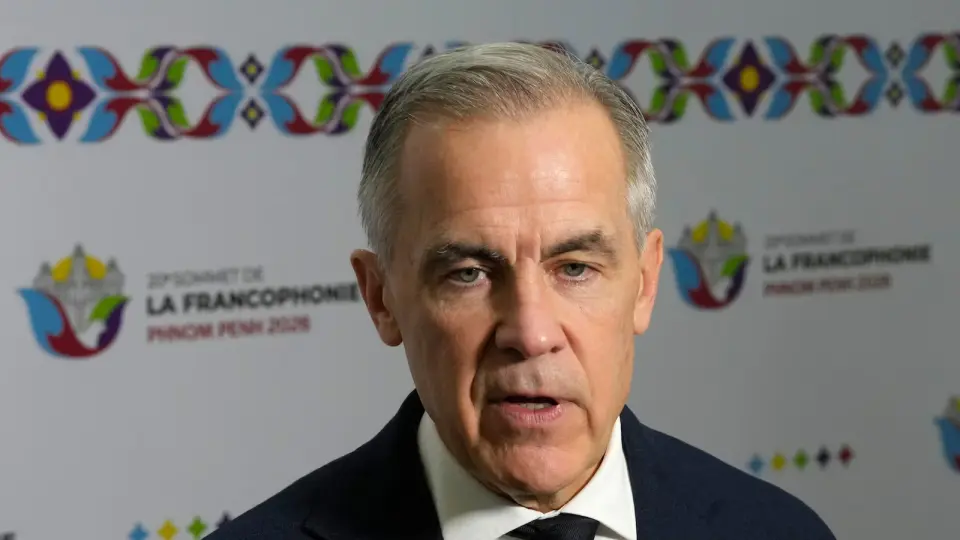
Canadian Prime Minister Mark Carney stated that Ottawa could seek manufacturing partnerships with Chinese automakers if negotiations with the United States do not preserve an integrated North American auto sector. Speaking in Cambodia ahead of a meeting with Chinese President Xi Jinping in Shenzhen, Carney emphasized that any Chinese involvement must include substantial domestic manufacturing and supply chains, not just assembly. He noted that U.S. trade actions have reduced market integration, though Washington remains his primary negotiation priority. This stance follows a January agreement lowering tariffs on Chinese electric vehicles in exchange for reduced duties on Canadian agricultural goods.
Key points
- Carney said Canada could turn to Chinese, European, or Japanese automakers if U.S. talks fail to protect the domestic auto industry.
- The Prime Minister insisted that Chinese investment must involve real manufacturing in Canada, including the use of local critical minerals, rather than simple assembly of imported parts.
- Carney described the potential Chinese option as a reaction to U.S. actions rather than a negotiating lever, stating Canada will move forward regardless of the outcome.
- A January agreement reduced Canada’s tariff on Chinese electric vehicles from 100% to 6.1%, allowing up to 49,000 units annually, in exchange for lower Chinese tariffs on Canadian canola and other agricultural products.
- Ontario Premier Doug Ford criticized the January deal, warning it could threaten Canadian jobs and jeopardize access to the U.S. market.
Background
Recent months have seen escalating tensions between Ottawa and Washington over auto, steel, and dairy tariffs, with negotiations collapsing in August before resuming ahead of U.S. midterm elections. Carney previously indicated he was willing to wait for a new U.S. administration if current talks failed, while simultaneously diversifying trade through agreements with ASEAN and the Philippines. The current stance builds on earlier declarations that preserving a viable auto industry is a non-negotiable condition for any U.S. deal.
Why it matters
The potential shift toward Chinese auto investment signals a major strategic pivot for Canada, challenging the traditional North American supply chain model. It highlights the fragility of the integrated auto industry under U.S. tariff pressure and introduces new geopolitical complexities regarding manufacturing standards and national security concerns in the automotive sector.
What to watch
Carney is expected to discuss auto manufacturing with President Xi Jinping in Shenzhen this week. Meanwhile, U.S. trade negotiations continue, with both sides seeking progress before the U.S. midterm elections. The outcome of these talks will determine whether Canada pursues alternative manufacturing partnerships or maintains its current trade framework with Washington.
Want the full story? Read the original reporting
Read on ABC News - Breaking News, Latest News and Videos