
Oleshky Evacuees Reach Ukrainian Border After Historic Truce
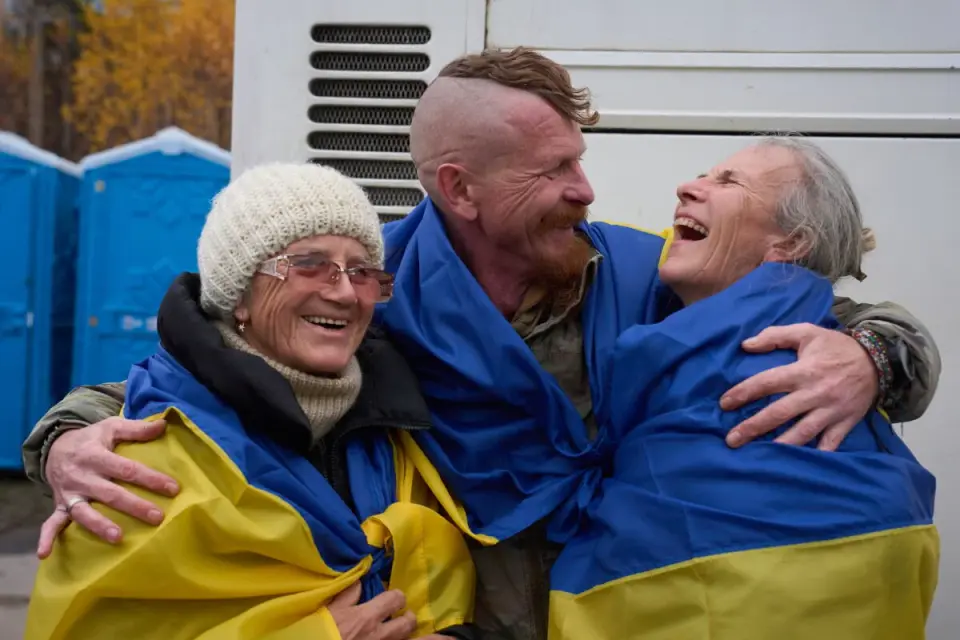
Residents of the Russian-occupied town of Oleshky successfully crossed into Ukrainian-held territory on Saturday, marking the first major evacuation since the start of the full-scale invasion. The operation, which moved over 750 people, was conducted under a localized ceasefire in the Kherson region that began Tuesday and is set to expire Sunday evening. While the White House credits First Lady Melania Trump with brokering the deal, Pope Leo XIV also played a role in pressing for aid access. Approximately 2,000 residents remain in Oleshky, with some choosing to stay or move to Russian-controlled areas. The event coincides with continued drone strikes on Ukrainian energy infrastructure and a new Ukrainian attack on Russian territory.
Key points
- Over 750 evacuees from Oleshky arrived at the Ukrainian-Belarusian border, reuniting with families and receiving aid from organizations like the Red Cross and Doctors Without Borders.
- The ceasefire in the Kherson region, which facilitated the evacuation, began early Tuesday and is expected to last until Sunday evening.
- Melania Trump claimed credit for brokering the truce, while Pope Leo XIV also urged both sides to allow humanitarian access.
- Approximately 2,000 people remain in Oleshky; some chose to stay, while others were evacuated to Russian-controlled Simferopol.
- Ukraine’s human rights ombudsman Dmytro Lubinets called the mission a success, noting evacuees ranged in age from one to 94.
- Russia’s human rights commissioner Yana Lantratova confirmed agreements for future humanitarian missions, though living conditions in Oleshky remain dire.
Background
This evacuation follows a six-day ceasefire in Oleshky that began in late October, which allowed initial aid deliveries but raised concerns about coerced deportation through Russian territory. Previous coverage highlighted disputes over credit for the truce between the White House and the Vatican, as well as fears regarding the safety of evacuees traveling through Russian-controlled areas. The current operation represents a significant step in resolving those logistical and political hurdles, allowing civilians to reach Ukrainian-held land directly.
How outlets are covering it
AP and The Guardian both report on the successful evacuation and the emotional reunions at the border, citing similar quotes from residents like Tetiana Leonidivna and Ivan Yevhenovych. Both outlets attribute the truce to Melania Trump but note Pope Leo XIV’s involvement. AP emphasizes the lack of official numbers from Ukrainian authorities to protect remaining residents, while The Guardian highlights the age range of evacuees (1 to 94) and the agreement for future missions. Both sources cover the simultaneous drone attacks on both sides, but AP provides more detail on the Patriot missile sale and the specific locations of Russian strikes, whereas The Guardian focuses more on the humanitarian logistics and the presence of pets in the evacuation.
Why it matters
This evacuation is the most significant humanitarian operation since the invasion began, demonstrating a potential new mechanism for resolving humanitarian crises in occupied territories. It highlights the complex diplomatic efforts involving the US, the Vatican, and both warring parties. However, the continued drone strikes on energy infrastructure and the uncertain status of the 2,000 remaining residents underscore the ongoing volatility of the conflict. The success of this mission may set a precedent for future evacuations, but the expiration of the truce and the lack of a permanent peace agreement leave the situation precarious.
What to watch
The ceasefire is set to expire on Sunday evening, raising concerns about the safety of the 2,000 residents who remain in Oleshky. Both Ukrainian and Russian human rights commissioners have agreed to continue working on similar humanitarian missions, but the terms and logistics are yet to be determined. The US Congress must review the $2.1 billion Patriot missile sale, which could impact Ukraine's ability to defend against Russian ballistic missile attacks. Meanwhile, the ongoing drone strikes on energy infrastructure in Ukraine and Russian territory suggest that the broader war remains active despite the localized truce.
- Evacuees reunite with family at the Ukrainian-Belarusian border after fleeing Oleshky AP News
- Reunited after 1,711 days: Oleshky evacuees return to Ukraine under Melania Trump-brokered ceasefire CNN
- ‘We Are Coming From Hell’: A Ukrainian City’s Evacuees Tell Survival Stories The New York Times
- Evacuees from Russian-occupied Oleshky arrive in Ukraine via Belarus Al Jazeera
- Oleshky evacuees reunite with families after truce allows crossing back into Ukraine The Guardian
Want the full story? Read the original reporting
Read on AP News