
Canada’s Streaming Rules and French Language Laws Spark US Trade War
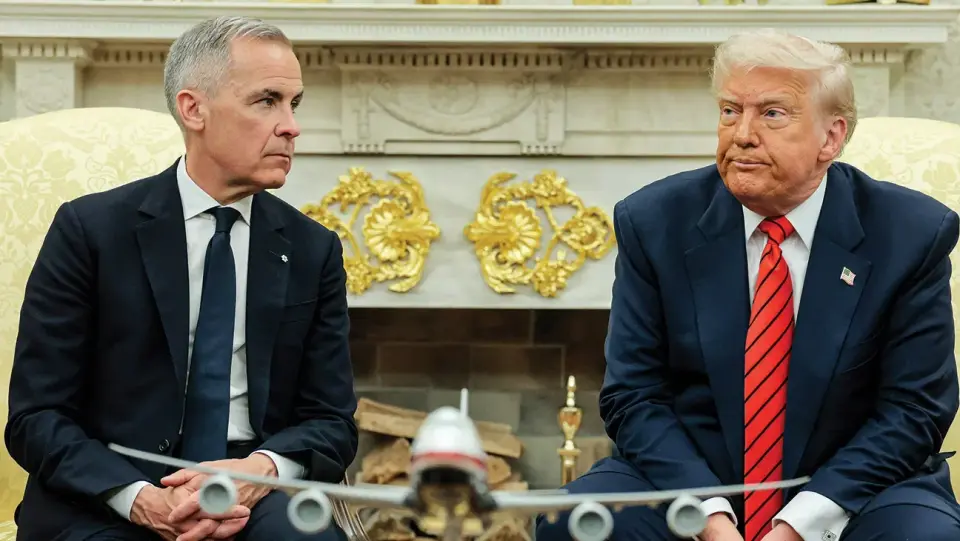
Canadian Prime Minister Mark Carney abandoned trade negotiations with the United States after Washington demanded concessions on French language protections and digital content subsidies. The collapse triggered 50% US tariffs on $20 billion in Canadian goods and prompted Ottawa to threaten retaliatory measures. While US officials dismissed language rules as 'fake' trade barriers, Canadian leaders and producers argue these laws are essential to national sovereignty and cultural identity, leading to a deepening economic and political rift.
Key points
- Canadian Prime Minister Mark Carney suspended trade talks with the US on Friday, citing US demands to weaken French language protections and digital content rules.
- The US imposed 50% tariffs on approximately $20 billion worth of Canadian goods, with additional tariffs on cars and trucks threatened for January 2027.
- The dispute centers on Canada’s Online Streaming Act, which requires US platforms like Netflix to fund local content, and Quebec’s laws mandating French language labels and discoverability.
- US Trade Representative Jamieson Greer dismissed language issues as a 'funny fake story,' arguing the real issue is Canada forcing US tech companies to subsidize competitors.
- Canadian producers and unions are urging the government to restore the Online Streaming Act and digital services tax, arguing that cultural sovereignty is a non-negotiable red line.
- Carney stated that Canada will not compromise on its 'cultural exemption' within the USMCA, while Finance Minister François-Philippe Champagne confirmed the government will not yield on language rights.
Background
This escalation follows earlier tensions where Canada had temporarily rescinded parts of its Online Streaming Act in June to facilitate trade deals, a move that failed to prevent the current breakdown. Previous coverage noted that while the immediate economic impact of tariffs affects only about 5% of Canadian exports, the political fallout is severe, with Quebec separatist parties gaining traction and Ontario’s premier Doug Ford condemning US actions as bullying. The dispute also highlights broader concerns about US interference in Canadian cultural identity, a theme that has persisted since 2025 when similar digital tax issues stalled negotiations.
How outlets are covering it
The Hollywood Reporter and CTV News emphasize the impact on the film and TV industry, noting that US streamers had previously appealed the Online Streaming Act in court, and Canadian producers are now demanding the government restore these funding mechanisms. CNN and The Guardian focus heavily on the French language dimension, highlighting Carney’s argument that language rights are a matter of national identity rather than trade irritants. US officials, represented by Jamieson Greer, frame the dispute as an issue of discriminatory taxation on American tech companies, dismissing cultural concerns as a pretext. Canadian political leaders, including Quebec Premier Christine Fréchette, view the US demands as an attack on sovereignty, while some Canadian business groups warn of economic damage from the resulting tariffs.
Why it matters
The collapse of US-Canada trade talks signals a potential end to decades of close economic cooperation, with retaliatory tariffs likely to disrupt supply chains and increase consumer prices. The dispute over digital content and language laws sets a precedent for how nations may regulate global tech platforms, potentially influencing similar regulations in other countries. Furthermore, the deepening political rift could lead to long-term shifts in North American trade policy and cultural sovereignty, with Canada potentially seeking alternative trade partners to reduce dependence on the US.
What to watch
Canada is expected to announce specific retaliatory tariffs on Tuesday, potentially targeting US goods to offset the 50% duties. The government will also issue a new policy directive to the CRTC regarding the Online Streaming Act, with pressure from producers to restore financial contributions from US streamers. US President Trump has threatened additional tariffs on Canadian cars and trucks starting January 1, 2027, while Canadian leaders continue to defend their cultural and language protections as non-negotiable. The outcome of these moves will determine whether the trade war escalates further or if a compromise is reached.
- Trump Trade War With Canada Puts Film, TV Spending Rules in Crosshairs The Hollywood Reporter
- French has become a sticking point in the Canada-US trade dispute. Here’s why CNN
- Mark Carney says Canada can’t accept US trade deal that would weaken French language The Guardian
- After U.S. targets culture, Bloc asks Carney to backtrack on DST, CanCon payments CTV News
- Film and TV sector says collapse of trade negotiations could prompt Ottawa to bring U.S. streamers back to table The Globe and Mail
Want the full story? Read the original reporting
Read on The Hollywood Reporter