
US-Canada Trade War Erupts After Failed Talks; 50% Tariffs Trigger Retaliation
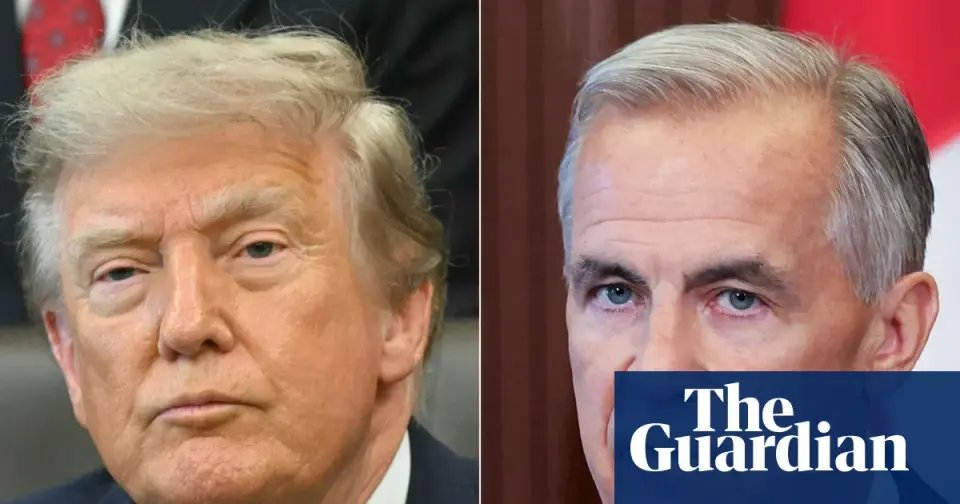
The United States and Canada have entered a new trade war after last-minute negotiations in Washington collapsed on Friday. The US imposed 50% tariffs on $20 billion worth of Canadian goods, a move President Trump defended on social media by claiming Canada seeks state benefits without state status. In response, Canadian Prime Minister Mark Carney vowed to match the tariffs 'dollar for dollar' starting September 8. The breakdown has jeopardized the USMCA trade pact and intensified political tensions between the two nations, with both sides blaming the other for the failure to reach a compromise.
Key points
- The US imposed 50% tariffs on $20 billion of Canadian goods, effective Saturday, covering items from hockey sticks to tongue depressors.
- Canadian Prime Minister Mark Carney announced retaliatory tariffs to take effect on September 8, targeting steel, dairy, appliances, and electronics.
- Negotiations collapsed on Friday after the US changed terms at the last minute, leading Carney to suspend talks and return his team to Ottawa.
- President Trump criticized Canada on social media, stating it wants the benefits of being a state without the obligations, and accused it of charging US farmers massive tariffs.
- The trade dispute threatens the USMCA agreement, which governs $2 trillion in annual trade between the US, Canada, and Mexico, as Trump refused to renew it this summer.
Background
This escalation follows months of stalled negotiations and a previous 30-day pause on tariffs in July. In August, brief progress was made, but the US administration used Section 338 of the Tariff Act to pressure Canada into concessions on metals, dairy, and alcohol. The current breakdown marks a sharp reversal from earlier optimism, with the US now imposing the highest tariffs in decades on its second-largest trading partner.
How outlets are covering it
The Guardian and CBS News highlight the immediate political fallout, noting that while the economic impact on jobs may be limited, the political tension is severe. The Washington Post frames the collapse as a sign that Trump's aggressive trade strategy is reaching its limits, noting that other countries are watching closely. While the US trade representative Jamieson Greer claims Canada rejected a 'best deal' to protect American workers, Carney argues the US demands were 'unfair' and 'uneconomic.' Ontario Premier Doug Ford fully backed Carney's retaliation, stating 'everything needs to be on the table.'
Why it matters
The trade war threatens the stability of the USMCA, a cornerstone of North American commerce. With 72% of Canadian exports going to the US, the conflict could disrupt supply chains and raise costs for American consumers ahead of the November midterm elections. The breakdown also signals a potential shift in US trade policy, moving from negotiation to unilateral enforcement, which may affect relations with other global partners.
What to watch
Canada is expected to release details of its retaliatory tariffs in the coming days, with implementation scheduled for September 8. The US has stated there are 'no new planned talks' with Canada. The future of the USMCA remains uncertain, as Trump has refused to renew it, and the ongoing dispute may lead to further escalations or a potential diplomatic resolution if economic pressures mount.
- ‘No more!!!’: Trump lashes out after US-Canada talks devolve into trade war The Guardian
- What Canadian Goods Will Take Trump’s 50% Tariffs? Some Pretty Strange Items. The New York Times
- U.S. set to impose 50% tariffs on Canada after failed talks; Canada to match them "dollar for dollar" CBS News
- Inside the 72 hours that cratered the US-Canada trade deal Politico
- U.S.-Canada breakdown shows limits of Trump’s aggressive trade strategy The Washington Post
Want the full story? Read the original reporting
Read on The Guardian