Trump and Mexican President Claudia Sheinbaum spoke by phone as the U.S. and Mexico push toward an updated USMCA deal, with talks advancing toward a fourth round in late September in Washington and discussions touching on cars, steel and aluminum, agriculture, labor and economic security.
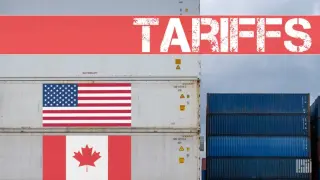
A CFR analysis argues that the U.S.-Canada tariff clash could fracture decades of deep economic integration, with Canada retaliating, Washington pressing for concessions, and uncertainty about a lasting deal pushing Ottawa to reduce reliance on the U.S.—potentially marking a new, more precarious era in bilateral relations.
Canada is presented as an unlikely target in a U.S.-led trade war; despite being the US s largest trading partner and having many goods enter Canada duty-free under USMCA, tariffs, dairy protections and energy trade show how intertwined the two economies are. With Alberta oil powering U.S. refineries and dairy supply management shielding Canada s farms, the standoff risks broader spillovers, but negotiators hope to resolve it within the USMCA framework before it disrupts North American trade.
Canada’s dairy supply-management system shields its farmers with steep tariffs after quotas, while Canada exports heavy Alberta crude to the U.S.—a dynamic that helps explain a bilateral trade deficit and a broader political clash. Under USMCA, Canada was allowed to keep supply management in return for greater access to its dairy market, keeping the two countries economically intertwined. With the U.S. relying on Canadian oil for Midwest refineries and both sides acknowledging mutual stakes, talks are ongoing ahead of key dates to resolve the standoff, even as opponents push for favorable concessions on manufacturing and trade.
Headlines tout sweeping bans on Canadian imports, but a trade analyst says the White House’s Sept. 29 move under Section 338 mainly bars select consumer-facing items (dairy, alcohol, and certain motor-vehicles), while most industrial inputs stay on the 50% duty list. Importers face immediate changes with no phase-in, and USMCA origin is not exempt from these duties. Litigation to restore access is unlikely; brokers advise line-by-line compliance and may use bonded warehouses to mitigate costs, indicating a targeted policy rather than a broad overhaul.
Commerce Secretary Howard Lutnick travels to Mexico for high-level talks with President Sheinbaum and top officials on US tariffs on autos and metals and other trade issues under the USMCA, as Ottawa and Washington clash; Mexico aims to push forward the six-year review and possibly an interim agreement while talks with Canada stall and a foreign investment screening mechanism is discussed.
Beijing’s 2025 export controls exposed how deeply North American supply chains are integrated and vulnerable to China’s coercion. The piece argues for a coordinated USMCA renegotiation—harmonizing tariffs, subsidies, and investment rules across the U.S., Canada, and Mexico—together with joint stockpiling of critical minerals and diversified input sourcing to curb dependence on China. It warns that unilateral policies risk fracturing tri-national unity and urges Canada and Mexico to join Washington in a three-part plan: restore lower tariffs for Canada/Mexico, raise tariffs on China, and align subsidies and investment screening to build resilient, open North American markets with broader ties to other allied democracies.
A renewed US-Canada tariff battle expands to cars, wood, household goods and alcohol, with Canada replying with duties on US metals and various items. A potential 50% US tariff on Canadian autos could lift prices and squeeze supply chains, while higher lumber and wood-product costs threaten home-building expenses. Some goods may shift to domestic suppliers, tempering price spikes, and alcohol restrictions have reduced US exports to Canada. Economists warn the broader tariff climate adds uncertainty, risks investment, and could complicate the USMCA framework, though the direct household cost from this episode is expected to be modest in isolation (a few dollars per household, rising when considering the wider tariff stance).
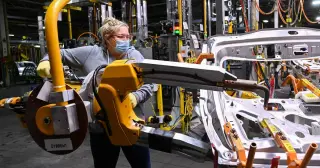
A U.S.-Canada trade clash, including tariffs on steel, aluminum and potentially vehicles, risks higher vehicle prices, plant shutdowns and job losses in both countries. Honda and Toyota are more exposed because a larger share of their U.S. sales come from Canadian-built vehicles, while Ford, GM and Stellantis are less dependent on Canada. While Detroit Three face a pricing squeeze and possible model cuts, the broader threat of 50% auto tariffs and USMCA disputes could erode North American auto competitiveness and hurt Michigan and Ontario economies.
With President Trump promising up to 50% tariffs on autos and auto parts from Canada if a deal isn’t reached by Jan. 1, automakers are lobbying cautiously to avoid destabilizing a highly integrated North American supply chain. Industry officials stress the need to protect cross-border manufacturing while pressuring for a favorable resolution, as talks stall and the U.S. and Canada navigate renegotiations underUSMCA framework. The dispute also draws comments from unions like the UAW, which opposes tariff escalation.
Trump’s renewed tariff clash with Canada has prompted retaliatory duties, threats of broader auto tariffs, and collapsed USMCA talks, leaving trade terms in flux. Prices are likely to rise and jobs could be at risk as Ontario’s Doug Ford and Canadian PM Mark Carney push back, testing the durability of a long-standing U.S.–Canada alliance.
Canada announced dollar-for-dollar counter-tariffs on the US of up to 50% on about C$28 billion ($20 billion) of American goods, to take effect Sept. 8, in response to US levies on Canadian imports. The list targets items from steel and aluminum to furniture, clothing and appliances, aiming to mirror Canadian exposures; Ottawa will also provide roughly C$7.5 billion in aid to workers and firms affected. The move follows failed trade talks and underscores ongoing tensions that could complicate the broader USMCA relationship and supply chains.
The Morning Shift reports that President Trump's plan to impose 50% tariffs on Canadian auto imports could devastate the North American auto industry, risking jobs and profits on both sides as Canada signals it will only return to talks with the 'right attitude' and industry groups warn that tariffs could halt U.S. assembly without Canadian parts; past tariffs cut Canadian vehicle output and experts caution about the broader economic fallout, while the edition also covers Volkswagen's labor unrest over a major restructuring and Porsche's AI deal with Tata Consultancy Services.
Tensions between the US and Canada deepen after talks collapse, with President Trump threatening to raise tariffs on Canadian-made autos, trucks, and parts from 25% to 50% starting January 1. Canada pledges reciprocal measures and says talks could resume only with a "right attitude." The dispute jeopardizes the USMCA and risks broader economic disruption, prompting Ottawa to boost diversification and infrastructure like icebreakers while firms brace for impact.
President Trump threatened 50% tariffs on Canadian-made cars, trucks, auto parts and steel to take effect Jan. 1, 2027, prompting Canada to vow retaliation; the moves come amid tensions over USMCA terms, with questions about exemptions and potential disruption to the deeply integrated North American auto supply chain and consumers.