
UN Expert Labels US Caribbean Drug Strikes as Potential Crimes Against Humanity
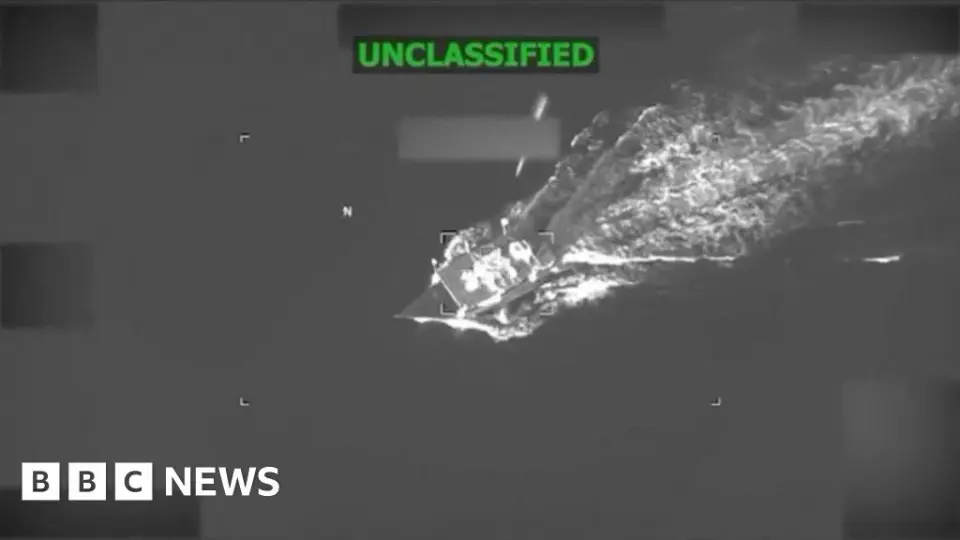
A UN report concludes that US airstrikes on alleged drug boats in the Caribbean and Pacific likely violate international law and constitute crimes against humanity. While the US military claims these operations target 'narco-terrorists' and have killed over 230 people in a year, the UN Special Rapporteur argues no right to self-defense exists because the targets did not launch an armed attack against the US.
Key points
- UN Special Rapporteur Ben Saul stated that 68 US strikes since September 2025 killed at least 223 people, constituting 'serial extrajudicial killings.'
- The UN report asserts these actions violate the right to life, international humanitarian law, and narcotics suppression conventions.
- US Southern Command (SOUTHCOM) defended a recent strike on September 19, claiming it killed four 'narco-terrorists' on a vessel involved in active drug trafficking.
- Saul argued that even if targets are designated terrorists, they have not staged an armed attack against the US, negating any right to self-defense under international law.
- The UN briefing was released two days after the latest US strike, which was accompanied by a video of the vessel exploding.
Background
This development follows a sustained US military campaign in the Caribbean and Eastern Pacific, previously detailed in our archive as 'Operation Southern Spear.' Earlier reports in August and September 2026 noted a resumption of strikes after a two-month pause, with the US claiming to target cartel-linked networks like Los Choneros. The current UN report escalates the legal discourse from mere criticism to a formal allegation of crimes against humanity, mirroring the legal frameworks seen in the International Criminal Court proceedings against former Philippine President Rodrigo Duterte regarding his drug war, which began in late 2026.
How outlets are covering it
The BBC and the UN report frame the US actions as illegal extrajudicial killings, emphasizing the lack of an armed attack by the targets to justify self-defense. In contrast, Fox News and US Southern Command portray the strikes as legitimate counter-narcotics operations against 'narco-terrorists,' citing 'confirmed intelligence' and releasing video evidence of the explosions. While the BBC notes the White House has not yet responded, Fox News highlights the cumulative toll of 231 deaths across 69 strikes as a success in dismantling trafficking networks. The ABC News source was unavailable, offering no additional perspective.
Why it matters
This UN report represents a significant escalation in the legal and diplomatic challenge to the US's extraterritorial military operations. If the characterization of 'crimes against humanity' gains traction, it could lead to international legal proceedings against US officials and a broader reassessment of the legality of unilateral military action against non-state actors in international waters. It also highlights the tension between US national security priorities regarding drug trafficking and established norms of international humanitarian law.
What to watch
The White House and State Department are expected to respond to the UN report. The US may continue its strike campaign, potentially expanding operations to land-based targets with regional allies, while the UN may pursue further legal or diplomatic actions to halt the strikes. The International Criminal Court proceedings regarding the Philippines drug war may also influence how the international community views the US actions.
- US strikes on alleged drug boats could be crimes against humanity, says UN BBC
- US says it killed four in strike on vessel in the Caribbean reuters.com
- US military says it killed four in strike on alleged drug-smuggling boat in the Caribbean ABC News - Breaking News, Latest News and Videos
- US military strikes alleged drug boat in Caribbean, killing 4 ‘narco-terrorists’ The Hill
- US military strikes alleged narco-trafficking vessel in Caribbean, killing 4 'narco-terrorists' Fox News
Want the full story? Read the original reporting
Read on BBC