
UN Report Accuses U.S. of War Crimes in Iran, Prompting Sharp Rejection from Washington
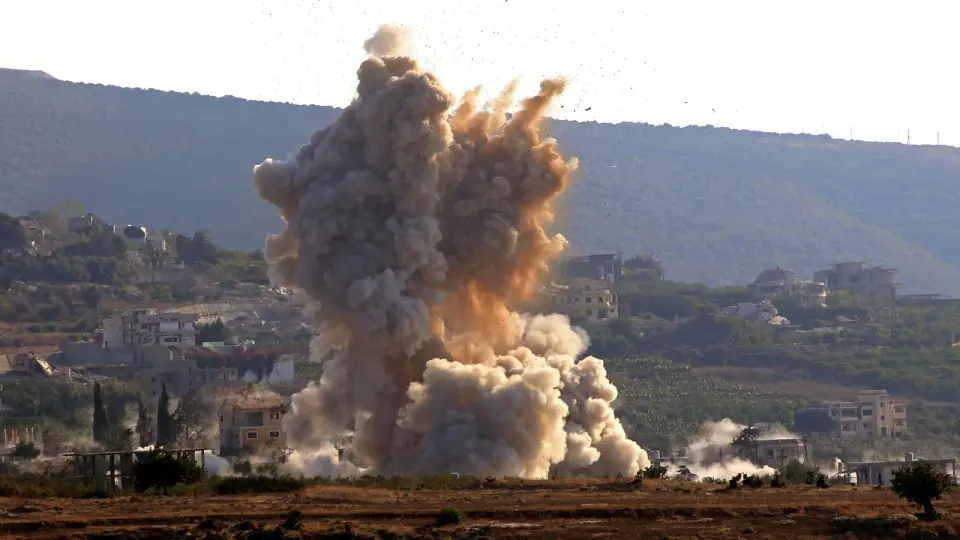
A UN fact-finding mission concluded that U.S. airstrikes in February 2026 likely constituted war crimes, citing the killing of over 150 people in a school and 22 civilians in a sports complex. The U.S. government rejected the findings as biased, while Tehran was also charged with crimes against humanity. Diplomatic talks between the U.S., Iran, and Gulf states may resume during the upcoming UN General Assembly.
Key points
- The UN Independent International Fact-Finding Mission on Iran stated there are 'reasonable grounds' to believe U.S. forces committed war crimes through indiscriminate attacks.
- The report highlighted a Tomahawk missile strike on the Shajarah Tayyebeh elementary school in Minab, which killed 157 people, including approximately 123 children under age 13.
- A second strike on a sports center and residential area in Lamerd killed 22 civilians, including five children, with nearly 170 injured.
- The U.S. State Department and White House rejected the report, labeling the UN body as promoting 'anti-American rhetoric' and asserting that only the Iranian regime committed war crimes.
- The UN mission also accused Iran of human rights violations and crimes against humanity related to the repression of anti-government protesters.
- Potential negotiations involving the U.S., Iran, and Gulf Arab nations are expected around the time of the UN General Assembly next week.
Background
This development follows a broader pattern of international scrutiny regarding the Iran conflict, including earlier UN warnings about the destruction of war crimes evidence in Gaza. It also occurs amid internal U.S. military friction over the sustainability of operations against Iran and political tensions regarding the administration's stance on international bodies, following President Trump's executive order withdrawing the U.S. from the UN Human Rights Council in February 2025.
How outlets are covering it
The New York Times and BBC emphasized the specific civilian casualties and the UN's conclusion that the strikes were indiscriminate, noting that the school was the intended target and not used for military purposes. CNBC highlighted the U.S. government's strong rejection of the report, quoting officials who accused the UN of 'appeasing repressive regimes' and 'antisemitism.' The AP noted the White House's counter-claim that Iran was the sole perpetrator of war crimes. While all sources agree on the UN's findings, they differ in emphasis: Western outlets focused on the U.S. rebuttal and diplomatic fallout, while the BBC and NYT detailed the specific evidence and casualty figures cited by the investigators.
Why it matters
The UN report escalates the legal and diplomatic stakes of the U.S.-Iran conflict, potentially influencing future international sanctions, diplomatic negotiations, and the U.S.'s standing in multilateral institutions. The rejection of the report by Washington signals a continued divergence between U.S. policy and international legal standards, while the potential for renewed talks suggests a possible shift toward de-escalation despite the accusations.
What to watch
Watch for the outcome of the potential meeting between the U.S., Iran, and Gulf Arab nations during the UN General Assembly next week. Monitor whether the U.S. imposes further travel restrictions on the Iranian delegation, including President Masoud Pezeshkian and Foreign Minister Abbas Araghchi, and observe any further responses from the Pentagon or White House regarding the UN findings.
- UN mission finds evidence signaling U.S. war crimes in Iran; Washington rejects report CNBC
- Global News Podcast | Did the US carry out war crimes in Iran? bbc.com
- Iran War Updates: U.N. panel cites possible U.S. war crimes as Trump again says Iran wants a deal CBS News
- U.S. Strike on Iranian School May Have Been War Crime, U.N. Report Says The New York Times
- UN-backed experts cite possible US war crimes in Iran strikes apnews.com
Want the full story? Read the original reporting
Read on CNBC