
Trump Administration Relaunches USAID Website with Unredacted Internal Documents
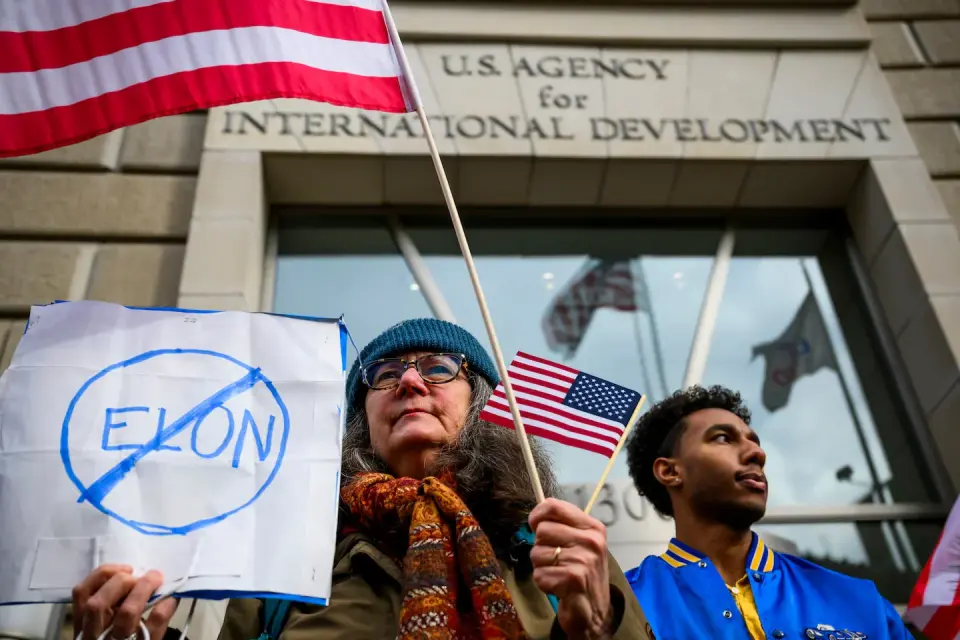
The Trump administration has replaced the placeholder USAID website with a new 'USAID Files' archive containing 245 unredacted emails, memos, and slide decks. The site features a statement accusing the agency of being 'weaponized' to advance a 'radical agenda fundamentally at odds with American values.' While the release is framed as an exposé of past democratic promotion efforts, the documents primarily focus on disinformation campaigns in countries like Libya, Ukraine, and Sudan, with minimal direct references to Türkiye.
Key points
- The new usaid.gov homepage features a statement accusing USAID of pushing a 'radical agenda fundamentally at odds with American values' and includes an archive of 245 emails, memos, chat logs, and slide decks, along with three webinar recordings.
- The released documents primarily focus on USAID's interactions with tech companies like Meta, YouTube, and Google regarding disinformation, with significant coverage of events in Ukraine, Belarus, Guatemala, and Sudan.
- A 123-page report titled 'Democratic Openings: Country List' included in the files ranked nearly 170 countries using V-Dem indices but excluded Türkiye from its shortlist of 28 priority countries, placing it between Austria and North Macedonia.
- The files detail USAID's involvement in Libya, including efforts to remove posts from Facebook and Twitter, with one program reaching over 4.5 million unique users, though the December 2021 election in Libya never took place.
- A November 2024 memo in the archive tracks 'foreign malign influence' campaigns accusing USAID staff in Yemen of espionage, which the agency classified as disinformation.
Background
The Trump administration dismantled USAID in 2025 as part of a broader restructuring of foreign assistance, shuttering its Washington, D.C. offices and replacing the website with placeholder text. The agency had been the world's largest foreign aid provider, funding approximately 47% of the global humanitarian appeal in 2024. Recent analyses suggest that the decline in USAID spending may have led to between 500,000 and 1,000,000 lives lost in 2025, with projections of 9.4 million additional deaths by 2030 if current funding trends continue.
How outlets are covering it
The Washington Post frames the website relaunch as a direct action by the Trump administration to expose what it views as a 'radical agenda' by the agency. In contrast, Türkiye Today analyzes the content of the released files, noting that while the release is marketed as an exposé of Washington's democracy bureaucracy, the documents are largely focused on disinformation and tech company interactions in other regions. Türkiye Today highlights that Türkiye appears in only about ten documents, none of which describe direct grants or programs in the country, suggesting the files are primarily aimed at a domestic American audience regarding 'censorship' and Big Tech, rather than providing a comprehensive global overview.
Why it matters
The release of unredacted internal documents provides a rare look into the operational strategies of USAID, particularly its collaborations with tech companies to manage disinformation. It highlights the political motivations behind the agency's dismantling and the specific narratives the current administration is using to justify its actions, while also revealing the limited direct impact of USAID programs in certain regions like Türkiye.
What to watch
The public will likely scrutinize the 245 released documents for further evidence of USAID's past activities and the administration's claims. There may be ongoing debates about the transparency and completeness of the released files, particularly regarding countries not prominently featured. The administration may continue to use these documents to justify its broader foreign policy shifts and the dismantling of USAID.
- Trump administration reboots USAID website with unredacted memos, emails The Washington Post
- Shaheen, Meeks Demand Answers on Administration’s Selective Release of USAID "Files" U.S. Senate Committee on Foreign Relations (.gov)
- Exclusive: Ex-Administrator Samantha Power responds to USAID file release Devex
- USAID Website Returns With Files Picked to Make a Point Newser
- Where’s Waldo, USAID edition: Ankara stays in the margins of the files Türkiye Today
Want the full story? Read the original reporting
Read on The Washington Post