
Ninth Circuit overturns Portland tear gas bans, ruling crowd control lawful
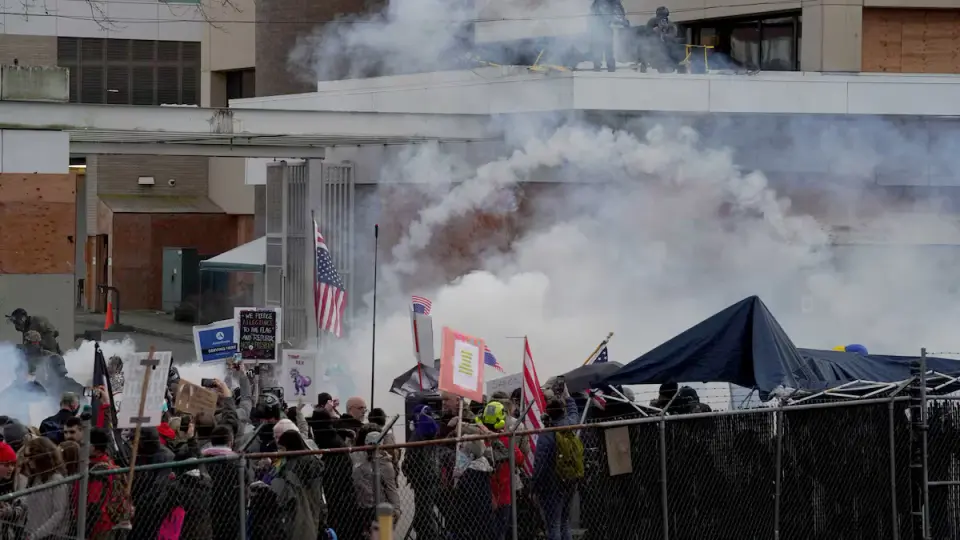
A Ninth Circuit panel has officially overturned two temporary bans on chemical munitions near the Portland ICE facility. The rulings, issued on November 10, 2026, allow federal agents to use tear gas and pepper balls for crowd control without waiting for imminent physical threats. The decisions reject claims that such use violates First Amendment rights or residents' due process, though the underlying lawsuits remain active.
Key points
- The Ninth Circuit vacated preliminary injunctions that had restricted federal use of tear gas and pepper balls near the South Waterfront ICE facility in Portland.
- In a 2-1 decision, the court ruled that officers may deploy non-lethal force to restore order without requiring an imminent threat of physical harm.
- The court rejected claims by protesters and journalists that they were targeted in retaliation for their First Amendment activities.
- In a separate 2-1 ruling, the court denied residents of Gray’s Landing an injunction, finding no constitutional right to be free from incidental exposure to crowd-control chemicals.
- The rulings do not end the underlying lawsuits, allowing plaintiffs to continue pursuing their cases in district court.
- Federal officers have not used chemical munitions at the facility for months, but the legal precedent now permits their use if large protests return.
Background
These rulings follow a period of intense clashes outside the Portland ICE facility in late 2025, where federal officers frequently clashed with protesters opposing President Trump’s immigration agenda. Earlier in 2026, Oregon District Judges Michael H. Simon and Amy Baggio had issued temporary bans on tear gas use, citing First Amendment violations and health risks to nearby residents. The appellate court paused these bans in July before issuing the final overturning decisions in November. This legal shift occurs amid broader tensions over immigration enforcement, including recent incidents in Salem where tear gas was used against crowds blocking federal vehicles.
How outlets are covering it
OPB and KATU agree that the Ninth Circuit’s 2-1 rulings significantly weaken legal protections for protesters and residents near the Portland ICE facility. OPB emphasizes the impact on residents of Gray’s Landing, noting that the decision leaves them without protections against chemical exposure that seeped into their homes. KATU highlights the legal reasoning, noting that the court described affected protesters and journalists as 'unfortunate collateral casualties' rather than targets of viewpoint-based retaliation. Both outlets note that while the injunctions are gone, the underlying lawsuits continue, and the dissenting judge would have maintained some restrictions, such as banning intentional firing at the head or torso without justification. The Department of Justice and ACLU did not immediately comment on the rulings.
Why it matters
The decision establishes a legal precedent that federal law enforcement can deploy tear gas and other non-lethal munitions to disperse crowds without demonstrating an imminent threat of physical harm. This could influence crowd control strategies in other jurisdictions and affect future protests against immigration enforcement. For residents near federal facilities, the ruling removes a legal barrier to chemical exposure, potentially impacting public health and safety during large demonstrations.
What to watch
Attorneys for the plaintiffs in both cases can continue to pursue their lawsuits in district court, as the rulings only vacate the temporary injunctions. The outcome of these cases will guide federal law enforcement’s strategies for deploying tear gas and flash-bang grenades if large protests return to the Portland ICE facility. The final two years of President Trump’s presidency may see renewed tensions, making these legal precedents crucial for future crowd control operations.
- Appeals court panel ends temporary ban on tear gas near Portland ICE building Oregon Public Broadcasting - OPB
- 9th Circuit overturns restrictions on tear gas at protests outside Portland ICE building KGW
- Federal court strikes down injunctions limiting tear gas use near Portland ICE Facility KATU
- Ninth Circuit rules feds can continue using tear gas outside Portland ICE facility KOIN.com
- Judges’ restrictions on force, tear gas at Portland ICE protests thrown out on appeal OregonLive.com
Want the full story? Read the original reporting
Read on Oregon Public Broadcasting - OPB