The Ninth Circuit ruled that federal commodities-trading law does not preempt Nevada’s gambling rules for regulating sports betting via prediction markets, marking a major setback for Kalshi and potentially shaping upcoming Supreme Court decisions on the legality of prediction markets.
A Ninth Circuit panel ruled that states may regulate prediction markets like gambling, a major blow to Kalshi and other platforms that have operated under federal licenses. The decision, which ties Kalshi’s sports-event contracts to sports gambling and allows state gaming laws and taxes to apply, could empower states to shut down certain prediction sites and creates a circuit split with the Third Circuit, setting up potential Supreme Court review as related cases progress nationwide.
The Ninth Circuit unanimously blocked the Trump DOJ’s attempt to install acting U.S. attorneys by designating a first assistant after vacancies, ruling that automatic succession only applies when the first assistant held the role at the vacancy’s start. The decision undermines efforts to bypass Senate confirmation and push loyalists into blue-state offices, part of broader White House–DOJ tactics that could widen politically charged investigations. The memo also notes a new White House–overseen National Fraud Enforcement Division, a potential Tina Peters role in Shasta County elections, a Ninth Circuit subpoena related to transgender care, the Supreme Court’s defeat of Trump in E. Jean Carroll’s defamation case, and a pause in Big Bend construction amid GOP opposition.
A federal appeals court in the Ninth Circuit upheld a lower court ruling that Sigal Chattah could not lead Nevada’s U.S. Attorney’s Office, ruling the Justice Department could not lawfully keep her in charge after her interim term under the Federal Vacancies Reform Act or via delegated authority, effectively blocking a push to install an acting U.S. attorney without Senate confirmation and highlighting limits on appointing allies outside the traditional process.
The 9th Circuit blocked the Trump administration's mass-detention policy, ruling it misread immigration law and requiring bond hearings for long-time residents rather than automatic detention, signaling a major judicial check on the plan with potential Supreme Court review.
A three-judge panel of the 9th U.S. Circuit Court of Appeals blocked California's 2025 law that would require federal immigration agents to wear badges or identification, granting an injunction pending appeal and ruling the measure would directly regulate the federal government in violation of the Constitution's Supremacy Clause; the decision follows a DOJ lawsuit and prior temporary injunctions.
A federal appeals court blocked California's law requiring law enforcement officers to wear identification for federal officers, ruling the state lacks authority to regulate federal agents and that the Supremacy Clause prohibits such legislation; the 9th Circuit granted a preliminary injunction keeping the measure from taking effect while the case continues.
A Ninth Circuit panel vacated a lower-court injunction blocking the Trump administration from ending collective bargaining rights for federal employees at more than 20 agencies, allowing agencies to proceed under updated OPM guidance. The ruling is narrow and does not resolve whether the orders were lawful, and AFGE says it may seek en banc review while pursuing the merits in district court. The administration has expanded exemptions from collective bargaining via executive orders, and litigation over their legality continues.
Immigrant-rights lawyers pressed the Ninth Circuit to uphold a district court ruling blocking the Trump administration from ending Temporary Protected Status for about 600,000 Venezuelans, saying the end would cause widespread harm, including job loss and family separations. DOJ argued the termination followed proper procedures and noted Supreme Court stays allowing the policy to proceed; the case could be appealed to the Supreme Court, fitting into a broader legal fight over humanitarian protections.”,
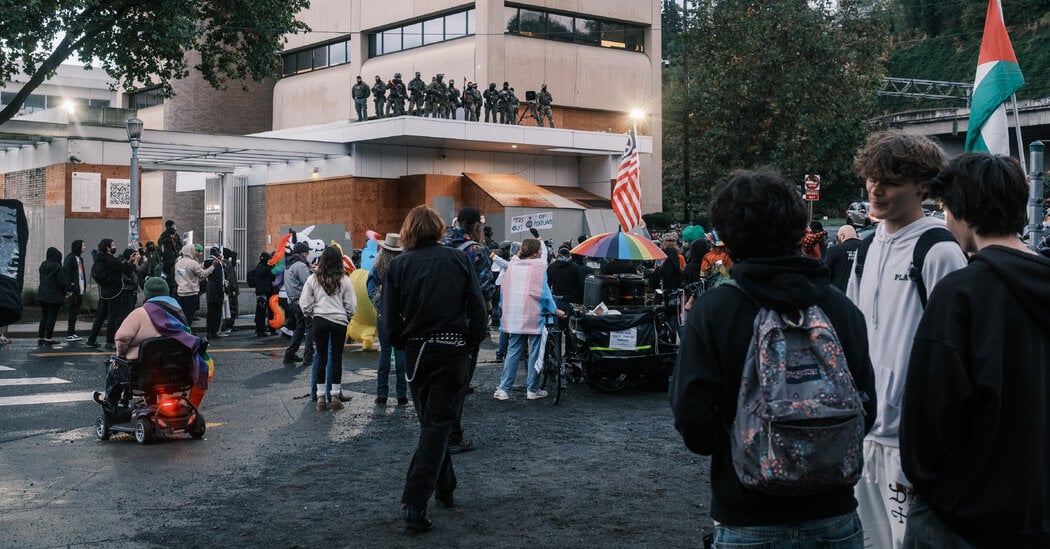
The Ninth Circuit Court of Appeals has decided to reconsider a previous ruling that could have allowed President Trump to deploy National Guard troops in Portland, Oregon, maintaining the current uncertain status of 200 troops under federal control as legal proceedings continue.
The Ninth Circuit, the largest federal appeals court in the US, has ruled that Fellowship of Christian Athletes (FCA) student clubs can return to public high school campuses, stating that the First Amendment calls for mutual respect and tolerance for religious and non-religious views. The court found that the San Jose Unified School District had used a discriminatory "double standard" against FCA by removing the clubs from campuses based on their religious beliefs. The ruling ensures that religious clubs have equal access to campuses without having to give up their faith.