
Harvard to Pay $53M to Settle Lawsuits Over Cadaver Trafficking
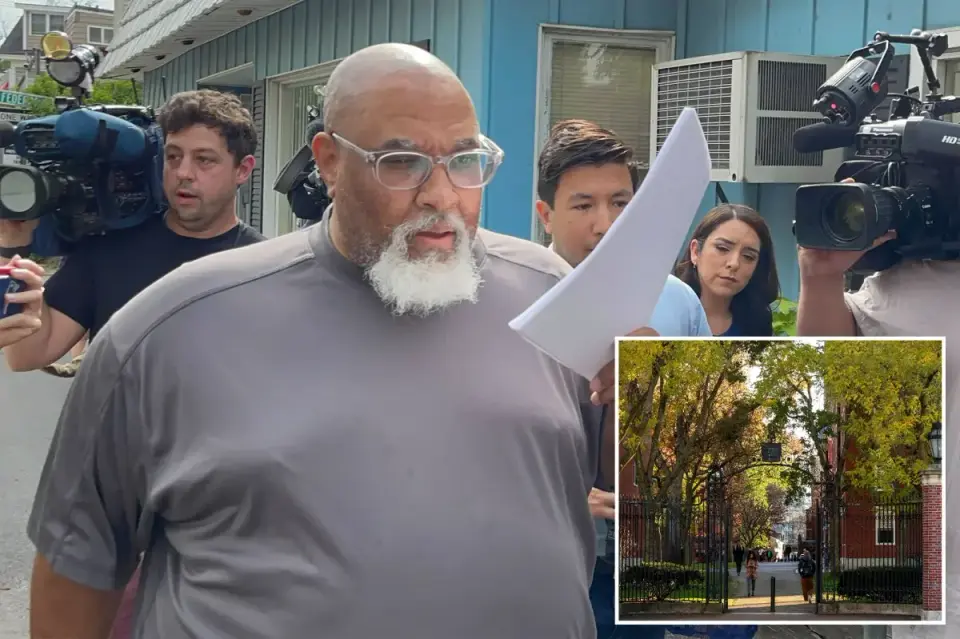
Harvard University has agreed to pay $53 million to settle a class-action lawsuit brought by families of donors whose bodies were allegedly stolen and sold by a former morgue manager. The settlement follows the 2023 arrest of Cedric Lodge, who served in the Harvard Medical School morgue for nearly three decades. A Boston judge preliminarily approved the deal, which includes a formal apology from university leadership and the creation of a scholarship for medical students. The case highlights failures in institutional oversight, as prosecutors allege the university ignored Lodge's illicit activities for years before his indictment.
Key points
- Harvard University agreed to pay $53 million to resolve civil lawsuits filed by families of individuals whose donated bodies were mishandled.
- The settlement stems from the 2023 arrest of Cedric Lodge, a former Harvard Medical School morgue manager who served for nearly 30 years.
- Lodge was sentenced to eight years in prison for stealing and selling body parts, including heads, brains, and skin, to buyers in Pennsylvania and elsewhere.
- A Boston state court judge preliminarily approved the settlement, which includes a formal statement from Harvard leadership condemning the actions as 'morally reprehensible.'
- Harvard Medical School will establish an annual scholarship for medical students starting in the 2027-2028 academic year to honor the donors.
- Lodge's wife, Denise Lodge, was sentenced to just over one year in prison for assisting in the sale of human remains.
Background
This settlement resolves a long-standing legal dispute that began after federal authorities indicted Cedric Lodge in 2023. The case gained significant attention when the Massachusetts Supreme Judicial Court revived the families' claims in October 2025, ruling that the university had acted in bad faith. The incident occurred against a backdrop of broader scrutiny of Harvard's institutional conduct, including a separate federal lawsuit regarding antisemitism that was dismissed in August 2026. The cadaver scandal has been a focal point for discussions on medical ethics and institutional accountability in higher education.
How outlets are covering it
The New York Post emphasizes the 'ghoulish' nature of the crimes, highlighting specific details such as the sale of skin for leather binding and faces for display, and quotes Harvard deans calling the acts 'despicable' and 'abhorrent.' The Washington Post focuses on the legal and financial resolution, noting that the settlement is subject to final court approval and framing it as a resolution to claims brought by relatives of research donors. Both outlets agree on the $53 million figure and the timeline of Lodge's arrest and sentencing, but the New York Post provides more graphic detail regarding the specific body parts sold, while The Washington Post maintains a more neutral tone regarding the institutional response.
Why it matters
This settlement underscores the severe consequences of institutional negligence in handling human remains and the potential for long-term legal liability for universities. It highlights the importance of oversight in medical research facilities and the ethical obligations institutions have toward donors and their families. The case also serves as a precedent for how higher education institutions may be held accountable for the actions of long-serving employees who abuse their positions of trust.
What to watch
The settlement is subject to final approval by the court. Once approved, funds will be distributed to the affected families. Harvard Medical School is expected to launch the donor-inspired scholarship program in the 2027-2028 academic year. The university has declined to comment further beyond the official statement from its deans, and no further legal proceedings are anticipated regarding this specific case.
- Harvard to pay $53M in suit over selling donated corpses on black market New York Post
- Harvard agrees to pay $53M settlement after body parts stolen from morgue The Washington Post
- Harvard Medical School to pay $53 million to settle class-action lawsuit in morgue body parts scandal, records show The Boston Globe
- Harvard Agrees to $53 Million Settlement in Body Part Theft Scandal The New York Times
- Harvard to pay $53 million to settle lawsuits over theft of body parts Reuters
Want the full story? Read the original reporting
Read on New York Post