
Dallas judge extends restraining order in custody fight over surrogate-born infant with heart defect
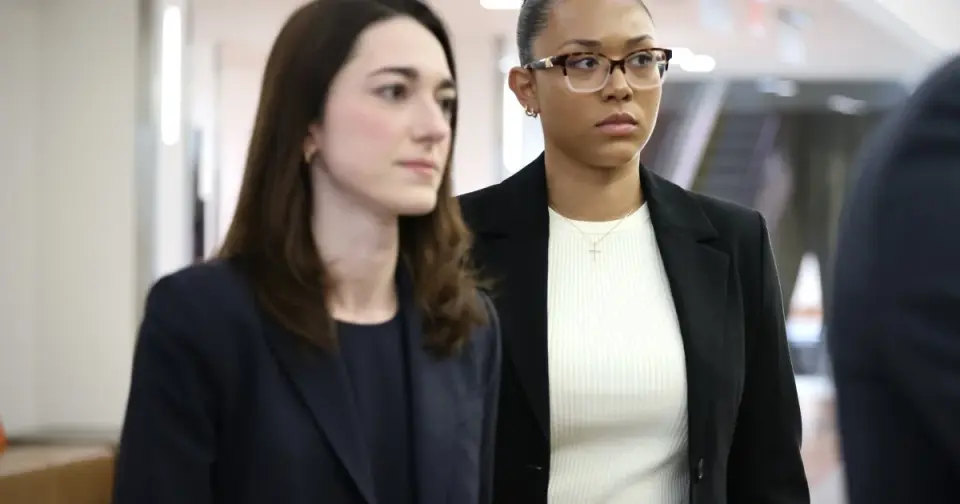
A Dallas County judge has extended a temporary restraining order for 14 days, preventing surrogate McKenna West from having custody or making medical decisions for the newborn she delivered. The child, born with a rare heart defect, remains in critical condition after surgery. The case highlights conflicts between surrogacy contracts, state abortion laws, and parental rights, with the biological parents and the surrogate offering conflicting accounts of the pregnancy's termination request.
Key points
- Judge Ashley Wysocki extended a restraining order, barring West from seeing, holding, or transporting the child, pending a final ruling on parental rights.
- The infant, legally named Rumi Ali Ahmed but called Baby Gabriel by West, is in critical care following a Norwood procedure for hypoplastic left heart syndrome.
- West claims she moved to Texas to ensure the child received life-saving care after the intended parents requested an abortion, while the parents deny refusing medical treatment.
- Texas Attorney General Ken Paxton previously intervened to mandate medical care but withdrew from the case after the surgery was completed.
- The surrogacy contract included a clause requiring termination for fetal abnormalities, which West argues is unenforceable under Texas law.
Background
This dispute began in August 2025 when McKenna West, an Alaska nurse, agreed to carry a pregnancy for California couple Nausheen Gilkar and Omar Ahmed. In April 2026, the fetus was diagnosed with hypoplastic left heart syndrome. West relocated to Texas in July to deliver the baby, citing concerns about the parents' commitment to the child's survival. The case has drawn attention to the legal ambiguities surrounding surrogacy contracts and abortion clauses across state lines.
How outlets are covering it
KERA and CBS News report that West testified she withheld medical records and moved to Texas to secure the child's survival, while Gilkar testified that West cut off communication and is 'mentally unstable.' AP News and USA Today note that the biological parents deny refusing care, stating they are pursuing all necessary surgeries. Legal experts cited by KERA and USA Today highlight the ethical complexities of surrogacy contracts with abortion clauses, noting that while such clauses may have financial consequences, they cannot legally force a surrogate to terminate a pregnancy in Texas. Paxton's office framed the intervention as protecting the child's right to life, while West's attorneys argue the restraining order improperly strips her of inherent parental rights.
Why it matters
The case underscores the lack of uniform legal frameworks for surrogacy across U.S. states, creating risks for all parties involved. It also raises questions about the enforceability of contractual abortion clauses in jurisdictions with strict abortion bans, potentially influencing future legislation and contract drafting in assisted reproduction.
What to watch
A final ruling on parental rights is expected after the 14-day extension of the restraining order. The child will remain in critical care for at least 30 days, with further surgeries required as part of the treatment for his heart condition.
- Alaska surrogate, California parents head to Texas court in custody battle. Here's what to know KERA News
- Dallas judge delays custody decision in surrogacy fight over newborn with heart defect CBS News
- California couple and their surrogate testify in Texas court as dispute over newborn escalates AP News
- Baby in Texas surrogacy fight is critically ill, biological parents say USA Today
- Attorney weighs in on Texas surrogacy dispute Yahoo
Want the full story? Read the original reporting
Read on KERA News