
Arizona Court Vacates Sentence After AI-Generated Victim Statement Deemed Unreliable
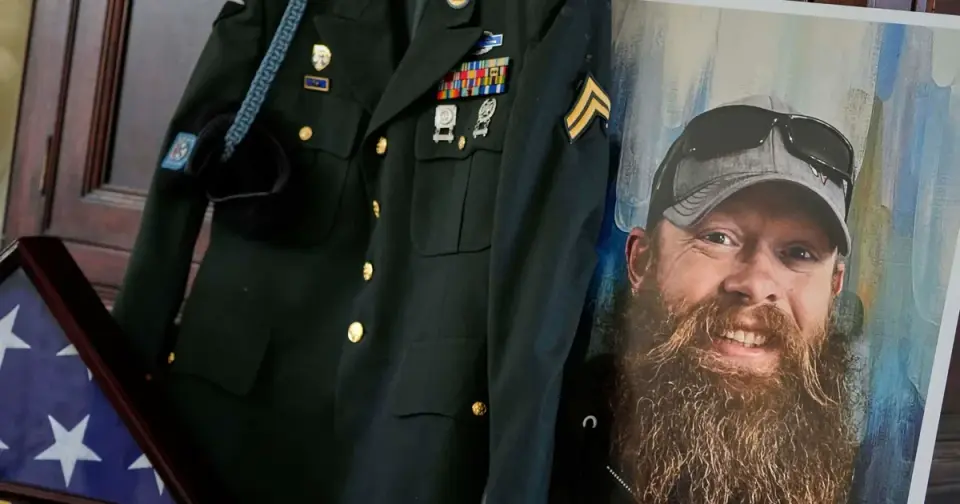
The Arizona Court of Appeals has vacated the 10-year manslaughter sentence of Gabriel Paul Horcasitas, ordering a new sentencing hearing. The decision follows a ruling that an AI-generated video of the deceased victim, Christopher Pelkey, was fundamentally unfair and unreliable evidence. While the video portrayed Pelkey as forgiving his killer, the court determined it did not reflect actual events or verified facts, violating due process. This marks a significant legal precedent regarding the admissibility of synthetic media in criminal sentencing.
Key points
- The Arizona Court of Appeals overturned the 10.5-year sentence for Gabriel Paul Horcasitas, who was convicted of manslaughter for the 2021 shooting of Christopher Pelkey in Chandler, Arizona.
- The court ruled that an AI-generated video of Pelkey, which expressed forgiveness toward Horcasitas, was 'fundamentally unfair' and did not reflect actual events, constituting a violation of due process.
- The video was created by Pelkey’s sister, Stacey Wales, using voice recordings and images to simulate her brother’s voice and likeness during the May 2025 sentencing hearing.
- Judge Todd Lang had stated he 'loved' the AI video and felt it was genuine, which the appeals court found prejudiced the defendant.
- The Maricopa County Attorney’s Office stated prosecutors were unaware the victim’s family would use AI for the statement, though they knew the family would address the court.
- Horcasitas’s attorney argued the video lacked evidentiary backing and had undue emotional weight, while prosecutors argued it accurately reflected Pelkey’s character.
Background
This case highlights the growing tension between emerging AI technologies and traditional legal standards for evidence. While AI is increasingly used in legal research and administrative tasks, its use in generating testimonial or impact statements is a new frontier. The ruling follows broader concerns about deepfakes in courtrooms, such as a recent New York case where an AI avatar was used to argue a lawsuit. The incident underscores the need for clear guidelines on synthetic media in judicial proceedings, particularly regarding victim impact statements which traditionally rely on authentic human testimony.
How outlets are covering it
CBS News and NBC News both report the core facts of the sentence being vacated due to the AI video's unreliability. However, they emphasize different aspects: CBS focuses on the legal argument that the video was a 'depiction created from the imaginings' of the sister, while NBC highlights the judge's emotional reaction, quoting Lang saying he 'loved' the video. Yahoo News provides minimal detail, focusing primarily on the headline outcome. The primary sources agree that the video was not a recording of an actual event but a synthetic creation, which was the basis for the appellate court's decision to remand the case for resentencing.
Why it matters
This ruling sets a potential precedent for the use of AI-generated evidence in U.S. courts. It establishes that synthetic media portraying a deceased person's thoughts or emotions may be deemed inadmissible or fundamentally unfair if it lacks verifiable factual basis. This could influence future cases involving deepfakes or AI avatars in legal proceedings, particularly in sentencing and victim impact statements, where emotional appeal is significant.
What to watch
Horcasitas will face a new sentencing hearing in Maricopa County. The Pelkey family has indicated they will continue to share their perspective through allowable mediums, though they may avoid AI to prevent further appeals. Legal experts are expected to debate the boundaries of AI in courtrooms, potentially leading to new guidelines or legislation regarding synthetic evidence in criminal cases.
- Sentence tossed after man killed in 2021 "speaks" in AI video shown in Arizona court CBS News
- Court Tosses Sentence After A.I. Video of Victim ‘Forgiving’ His Killer Is Played The New York Times
- Man’s Manslaughter Sentence Tossed Out After Court Determines AI Video of Victim Speaking Beyond the Grave Crossed the Line People.com
- Court throws out killer’s sentence after judge said he ‘loved’ AI video of slain man NBC News
- Court throws out sentence over AI victim impact statement Yahoo
Want the full story? Read the original reporting
Read on CBS News