
Lawsuit alleges AI chip bag error led to armed police raid on Baltimore teens
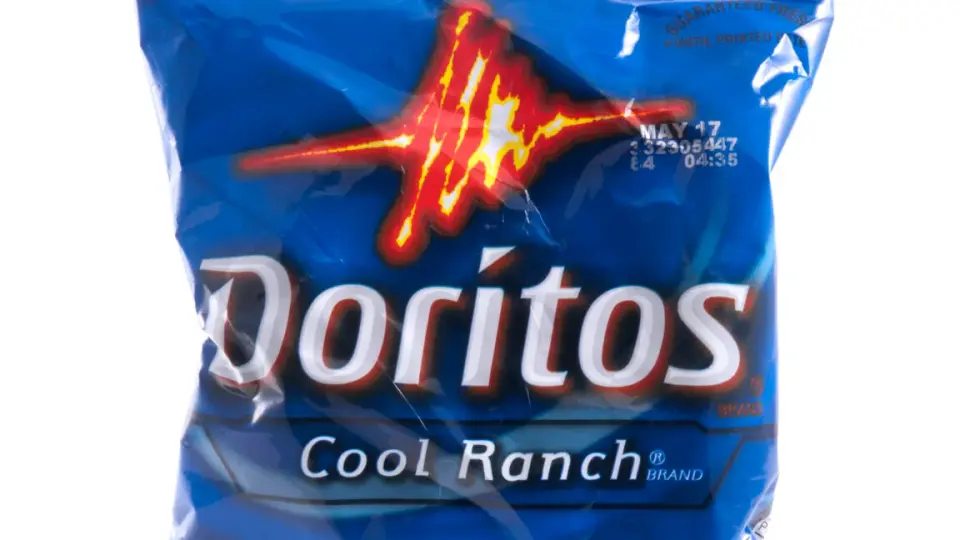
Four Black students are suing Baltimore County Public Schools, local police, and AI vendor Omnilert after an artificial intelligence system falsely identified a bag of Doritos as a firearm in October 2025. Despite the alert being canceled within two minutes, armed officers detained and searched the teens at Kenwood High School. The lawsuit claims the incident violated constitutional rights and seeks an injunction to halt the use of the Omnilert system until protocols are improved.
Key points
- In October 2025, four students were detained at gunpoint after an AI system flagged a bag of chips as a weapon.
- School officials canceled the alert within two minutes, but police were dispatched anyway due to communication failures.
- The lawsuit alleges that over 99% of Omnilert alerts in the district were false positives.
- Plaintiffs seek monetary damages and an injunction to stop the use of the AI system.
- The Maryland Office of the Inspector General found no bias in the AI but criticized the school's failure to follow protocols.
Background
This incident follows a broader trend of AI integration in public safety, where automated systems are increasingly used for threat detection. Previous coverage in our archive noted that similar lawsuits have emerged regarding the reliability of AI in life-or-death situations, highlighting concerns about the gap between technological promises and human oversight.
How outlets are covering it
Ars Technica and The Guardian emphasize the human error and communication breakdown, noting that the principal allegedly ignored the cancellation and used laughing emojis in texts. People.com and WBAL-TV focus on the immediate trauma and the specific failure of the 'delegation of authority' process. Omnilert defends its technology, stating it is designed to flag potential threats for human review, while the Lawyers' Committee argues that the system's high false-positive rate and lack of adequate protocols created a dangerous environment for Black students.
Why it matters
The case highlights the risks of deploying AI in public safety without robust human oversight. It raises critical questions about liability when automated systems trigger law enforcement actions, potentially endangering innocent individuals. The lawsuit seeks to establish precedents for the use of AI in schools and the necessity of clear protocols to prevent false alarms from escalating into violent confrontations.
What to watch
The plaintiffs are seeking an injunction to bar Baltimore County Public Schools from using Omnilert until adequate training and protocols are established. The case will likely test the limits of liability for AI vendors and public institutions in cases of false positives. The outcome may influence how other districts implement AI surveillance and the standards for human review in emergency alerts.
- Traumatized teens sue school, cops after Doritos bag triggers AI gun alert Ars Technica
- Four Maryland high school students sue after AI mistakes Doritos bag for gun The Guardian
- Black Teens Handcuffed After AI System Allegedly Mistakes Bag of Doritos for Gun: Lawsuit People.com
- Baltimore County students sue after 2025 AI false weapons alert WBAL-TV
- A.I. Mistook a Bag of Chips for a Gun, Teenagers’ Lawsuit Says The New York Times
Want the full story? Read the original reporting
Read on Ars Technica