
Maryland Teens Sue Over AI Gun-Detection System That Mistook Chips for a Firearm
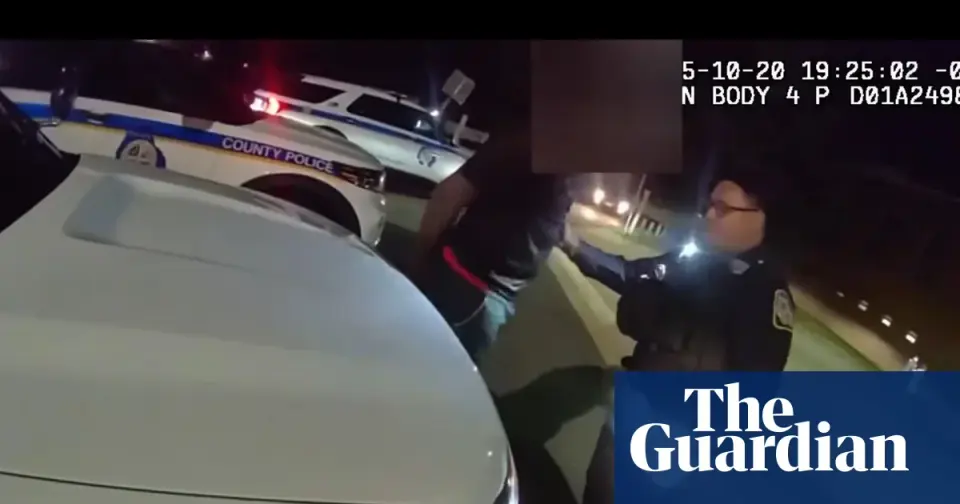
Four Black students in Maryland have filed a lawsuit alleging that an artificial intelligence surveillance system falsely identified a bag of Doritos as a gun, leading to their armed detention and search at a high school. The complaint targets the AI vendor, local police, and school officials for failing to verify the alert before dispatching officers.
Key points
- On October 20, 2025, four students at Kenwood High School in Baltimore County were detained, handcuffed, and searched by armed police after an AI system flagged a bag of chips as a firearm.
- The lawsuit, filed in November 2026, names Omnilert, the AI vendor; Baltimore County Public Schools; the school principal; and the Baltimore County Police Department as defendants.
- The complaint alleges that the Omnilert system generated a 90% confidence alert for a gun, which was not properly cancelled despite staff and police reviewing the footage and confirming it was a mistake.
- Plaintiffs claim they suffered physical pain from tight handcuffs and lasting emotional distress, with one student now paying for rides home to avoid waiting outside the school.
- The Maryland Office of the Inspector General for Education previously found that over 99% of Omnilert alerts in Baltimore County schools were false positives requiring no police response.
Background
This case follows a broader trend of legal challenges regarding school discipline and technology use, such as recent lawsuits in Idaho over due process in social media cases. It also occurs amid heightened scrutiny of school safety following the October 2025 shooting at Silver Rail Elementary in Bend, Oregon, which underscored the tension between security measures and student rights.
How outlets are covering it
The Lawyers’ Committee for Civil Rights Under Law, representing the plaintiffs, emphasizes that the incident resulted from both technological errors and human failures, specifically the lack of protocols to prevent cancelled alerts from triggering armed responses. They argue that unregulated AI in public safety disproportionately harms Black communities. In contrast, a November 2025 report by the Maryland Office of the Inspector General for Education found no evidence of racial bias in the incident, stating that the AI system perceived the student’s hand movement as a threat rather than the chip bag itself. Omnilert has expressed regret for the fear experienced by the students but declined to comment on the pending litigation, while Baltimore County officials stated they cannot comment on active legal proceedings.
Why it matters
This lawsuit highlights the growing risks of deploying AI surveillance in schools, where false positives can lead to traumatic and potentially dangerous encounters for students. It raises critical questions about the reliability of automated threat detection systems and the need for robust human oversight and clear protocols to prevent unnecessary police involvement in educational settings.
What to watch
The case will proceed in the Circuit Court for Baltimore County, where plaintiffs seek to reform police and school procedures regarding AI verification. The outcome may influence how other school districts evaluate the use of AI surveillance technologies and establish guardrails for automated threat detection.
- Four Maryland high school students sue after AI mistakes Doritos bag for gun The Guardian
- A.I. Mistook a Bag of Chips for a Gun, Teenagers’ Lawsuit Says The New York Times
- Teens say AI surveillance system at Baltimore school mistook Doritos bag for a gun NBC News
- Lawyers’ Committee Files Lawsuit on Behalf of Black Students Detained and Searched Due to AI Alert Falsely Identifying a Bag of Chips as a Firearm Lawyers' Committee for Civil Rights Under Law
- Baltimore County schools, police sued for AI software ‘bag of chips’ mistake Maryland Matters
Want the full story? Read the original reporting
Read on The Guardian