
Fresno family sues school district over delayed emergency response in teen's fatal cardiac arrest
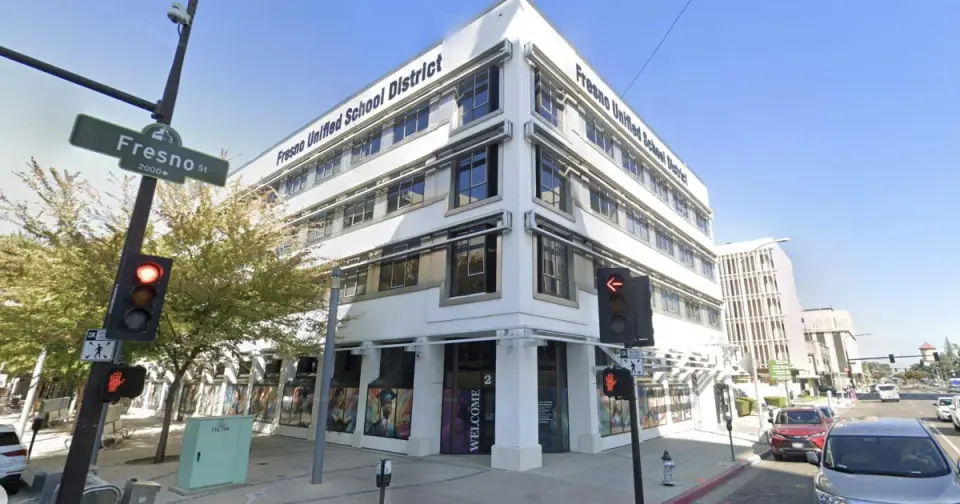
The mother of a 14-year-old Fresno High School student who died after collapsing during a physical education class has filed a wrongful death lawsuit against the Fresno Unified School District. The complaint alleges that staff failed to call 911, delayed CPR and defibrillator use, and directed emergency responders to a locked gate, causing critical delays in treatment. The family claims the boy's death was preventable and seeks compensatory damages, while the district has not yet been served with the lawsuit.
Key points
- Daniel Christopher Padilla Jr., 14, collapsed during a basketball game in PE class on March 9, 2026, and was pronounced dead at 1:24 p.m. after arriving at the hospital at 12:47 p.m.
- The lawsuit, filed by Kenia Ruiz Suarez through the Drake Law Group, alleges that PE teacher Nchaeeia Ramos did not call 911 or initiate CPR, instead contacting the school nurse.
- Attorneys claim the automated external defibrillator (AED) did not reach Padilla until seven minutes after his collapse, and CPR began only eight minutes later, lasting just 56 seconds.
- The complaint states that emergency services were notified via a 'non-9-1-1' police-mediated radio pathway rather than a direct 911 call, and responders were directed to a locked gate with no one present to open it.
- The suit names the Fresno Unified School District, teacher Nchaeeia Ramos, school nurse Tracy Phillips, Principal Amy Smith, Vice Principal Rafael Torres, and health services employee Ka Vang as defendants.
- The family alleges negligent supervision, negligent hiring and training, and a dangerous condition of public property, seeking compensatory damages for loss of companionship and support.
Background
This case follows a pattern of public scrutiny over school emergency response protocols, particularly regarding sudden cardiac arrests. In 2024, a survey in Indiana found that 41% of high schools had fewer than four AEDs on campus, and some lacked sudden cardiac arrest response plans entirely. Other families have pursued legal action after similar incidents, such as in Georgia and Arizona, where delayed AED access contributed to student deaths. These cases have prompted legislative changes in some states, including Arizona, which passed laws requiring AED access at high school sporting events, and Minnesota, which is implementing new cardiac emergency response plans for the 2026-27 school year.
How outlets are covering it
The Los Angeles Times, Fresno Bee, KTLA, and Hoodline all report on the lawsuit but emphasize different aspects. The LA Times and KTLA focus on the detailed timeline of delays, including the locked gate and the failure to call 911, citing surveillance footage and American Heart Association guidelines. The Fresno Bee highlights the legal strategy, noting that the family had previously sought a court order to compel the district to release emergency response records. Hoodline provides broader context, comparing the case to other school cardiac emergencies and legislative responses in other states. All sources agree on the core allegations but differ in their emphasis on the procedural failures versus the broader implications for school safety policies.
Why it matters
The lawsuit underscores the critical importance of rapid emergency response in schools, particularly for sudden cardiac arrests, where survival rates drop significantly with each minute of delay. It highlights potential gaps in training, communication, and infrastructure, such as locked gates and non-911 notification systems, that can compromise student safety. The case may influence policy discussions and legal precedents regarding school district liability in emergency medical situations.
What to watch
The Fresno Unified School District has not yet been served with the lawsuit and has not responded to the allegations. The case will proceed through the judicial process in Fresno County Superior Court. The family is seeking a jury trial and compensatory damages. The outcome may depend on the district's response to the allegations and the results of the prior legal action to compel the release of emergency response records.
- Mother sues California school district after son dies following PE class cardiac arrest Los Angeles Times
- Fresno High staff failed to call 911 during student’s fatal emergency, lawsuit alleges Fresno Bee
- Staff at California school delayed CPR on dying student family claims KTLA
- Wrongful death lawsuit filed against Fresno Unified over death of 14-year-old Fresno High student ABC30 Fresno
- Fresno High Lawsuit: Mother Alleges Delayed 911, CPR in Son's Death Hoodline
Want the full story? Read the original reporting
Read on Los Angeles Times