
Supreme Court declines to rule on Chicago's vehicle forfeiture policy, with Sotomayor and Gorsuch voicing concerns
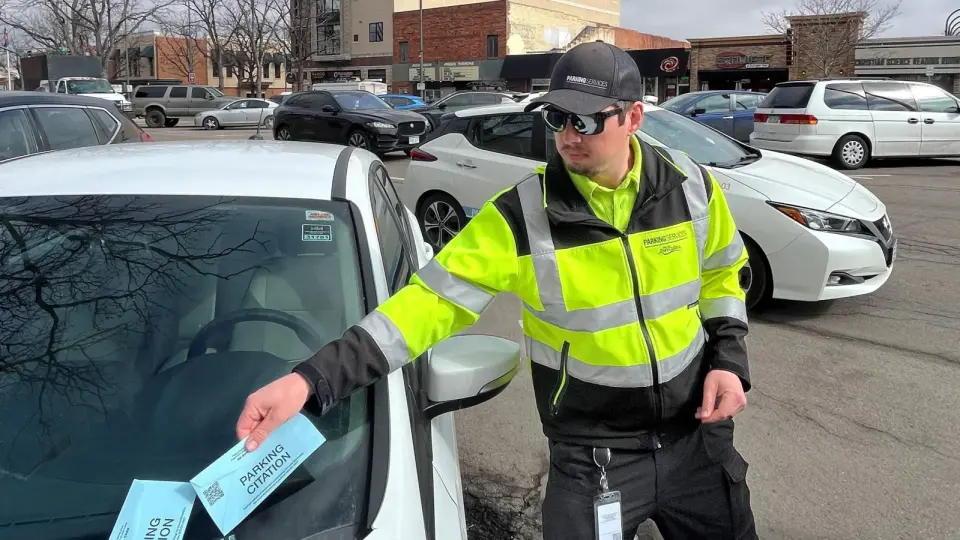
The Supreme Court declined to hear a case challenging Chicago's practice of seizing and selling vehicles for unpaid parking tickets. Justices Sotomayor and Gorsuch expressed concerns about the policy but agreed the issue should be further developed in lower courts.
Key points
- The Supreme Court denied certiorari in O'Donnell v. City of Chicago on Oct. 19.
- Chicago's policy allows the city to seize and sell vehicles after two unpaid parking tickets, keeping all proceeds without offsetting the debt or refunding surplus.
- The 7th Circuit Court of Appeals upheld the policy as a valid exercise of police power.
- Justices Sotomayor and Gorsuch issued a joint statement expressing 'serious concerns' about the lower court's ruling but agreed the case was not the best vehicle for resolution.
- The case involves Ryan O'Donnell and Michael Goree, whose vehicles were seized and sold by the city.
Background
This case follows a 2023 Supreme Court ruling that governments cannot keep surplus funds from the sale of property seized to pay outstanding taxes. The current dispute centers on whether Chicago's vehicle forfeiture scheme, which can result in the loss of a vehicle worth far more than the unpaid fines, violates the Fifth Amendment's Takings Clause. The city's policy has been linked to high bankruptcy rates in Chicago, according to the petitioners' lawyers.
How outlets are covering it
USA Today and Newsweek both report that the Supreme Court declined to hear the case, with Sotomayor and Gorsuch expressing concerns. MS NOW emphasizes the bipartisan nature of the justices' concerns, noting that Sotomayor and Gorsuch have joined forces for the second week in a row to call out government abuses. SCOTUSblog provides a broader context of the Supreme Court's recent orders, including denials of review in other high-profile cases. The petitioners' lawyers argue that the city's practices are 'devastating and counterproductive,' while the city defends its policy as a legitimate enforcement tool and notes that many impounded vehicles are in poor condition, resulting in low sale proceeds.
Why it matters
The case highlights ongoing tensions between state police powers and constitutional protections against uncompensated takings. The Supreme Court's decision to defer the issue to lower courts suggests that the legal landscape for vehicle forfeiture policies may continue to evolve, potentially impacting other cities with similar enforcement practices.
What to watch
The case will likely return to the Supreme Court in a future petition, as Sotomayor and Gorsuch indicated their interest in the issue. Lower courts will continue to weigh in on the constitutionality of vehicle forfeiture policies, potentially leading to a more definitive ruling in the future.
- Supreme Court won't hear case about unpaid parking tickets USA Today
- Sotomayor and Gorsuch join forces again to warn against rights abuses MS NOW
- Supreme Court justices question Chicago vehicle seizures Crain's Chicago Business
- Supreme Court declines to take up cases on vehicle seizures in Chicago, 9/11 plea disputes, and the president’s removal of National Labor Relations Board members SCOTUSblog
- Neil Gorsuch Joins Sotomayor Raising ‘Serious Concerns’ About Police Power Newsweek
Want the full story? Read the original reporting
Read on USA Today