
Washington’s Pivot: Trump Eases Russia Sanctions as Ukraine Defies Energy Ceasefire
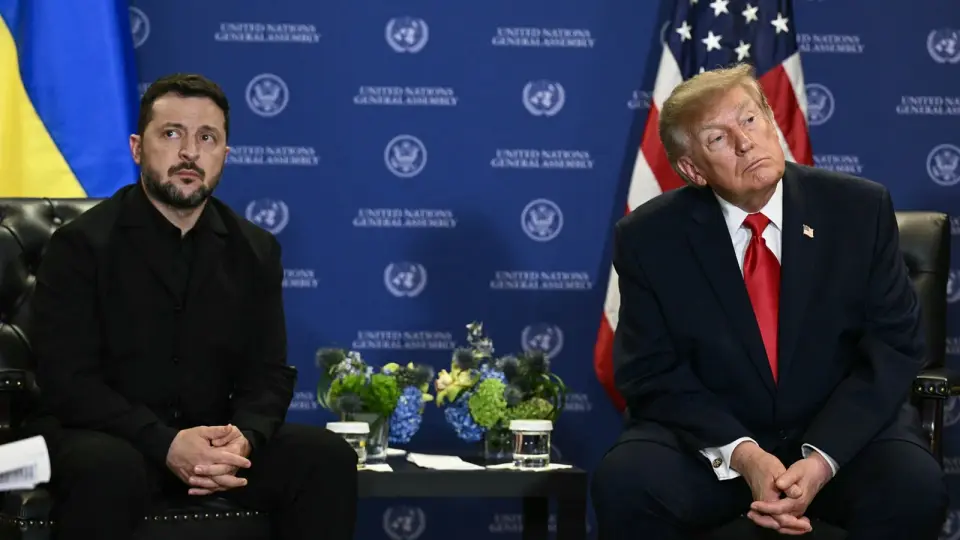
The US-Ukraine alliance has fractured as President Trump waived key sanctions against Russia to lower fuel prices, while Ukraine continued strikes on Russian oil infrastructure. The move triggered a sharp public feud between Trump and Zelensky, with Kyiv accusing Washington of aiding Moscow.
Key points
- Trump waived portions of the 'Graham Bill' and allowed Russian diesel exports to ease US fuel costs ahead of midterms, a move Zelensky called a 'gift' to Moscow.
- Ukraine defied Trump’s demand for an energy ceasefire, launching major drone strikes on the St. Petersburg oil terminal and other targets in late October 2026.
- The White House restricted military Starlink access and intelligence sharing, which Kyiv described as a 'message' from the US government, though Washington denied responsibility.
- Trump publicly blamed Zelensky for prolonging the war and high diesel prices, while Zelensky accused the US of siding with Russia and making a 'historic mistake.'
- A potential US-Russia-China meeting on the conflict, excluding Ukraine, raised concerns in Kyiv and Europe that Moscow would be emboldened.
Background
This crisis follows a rapid deterioration in US-Ukraine relations since Trump’s return to power in 2025. In September 2026, Zelensky sought security guarantees at the UN while Trump pushed for a rapid ceasefire. By early October, Trump had called for Zelensky’s removal after announcing a diesel deal with Putin, which was followed by Russian strikes on Ukrainian cities. The current escalation marks the lowest point in the alliance since a contentious White House meeting 18 months ago.
How outlets are covering it
Rolling Stone frames the situation as a deliberate 'sell-out' of Ukraine, arguing that Trump is scapegoating Zelensky to deflect from his own failures in ending the war and managing the Iran conflict. CNN emphasizes the mutual distrust and the practical consequences, such as the Starlink restrictions and the lack of early warning for missile attacks, highlighting the operational strain on Ukraine. The Washington Post focuses on the personal nature of the feud, noting that even Trump’s own party members criticized his approach to Moscow, and that the dispute complicates any peace efforts. All three outlets agree that the US is now effectively on Russia’s side in the eyes of Kyiv, but they differ in emphasis: Rolling Stone focuses on the ideological betrayal, CNN on the tactical fallout, and the Post on the political impasse.
Why it matters
The collapse of the US-Ukraine alliance risks emboldening Russia and undermining Western support for Ukraine. The waiver of sanctions and intelligence restrictions could weaken Ukraine’s defense capabilities at a critical time, while the public feud between Trump and Zelensky makes diplomatic resolution less likely. The situation also highlights the tension between US domestic economic concerns (fuel prices) and international security commitments, with potential ripple effects for global energy markets and NATO cohesion.
What to watch
Watch for the outcome of the potential US-Russia-China meeting, which could signal a shift in the peace process. Monitor any further changes in US intelligence sharing or Starlink access, as these could directly impact Ukraine’s battlefield operations. Also, track the reaction of European allies, who have vowed to maintain sanctions against Russia despite US concessions, and any developments in the midterm elections that might influence Trump’s foreign policy priorities.
- Trump is Selling Out Ukraine to Putin Rolling Stone
- US relationship with Ukraine faces deepening strain CNN
- Trump and Zelensky escalate feud as Ukraine war strains alliance The Washington Post
- As America turns against Ukraine, Europe stands alone The Economist
- Starlink Suspicions and a Frantic Warning: Inside Trump’s Turn on Zelensky WSJ
Want the full story? Read the original reporting
Read on Rolling Stone