
LADWP Suspends Shutoffs as Payroll Data Fuels Audit Demands
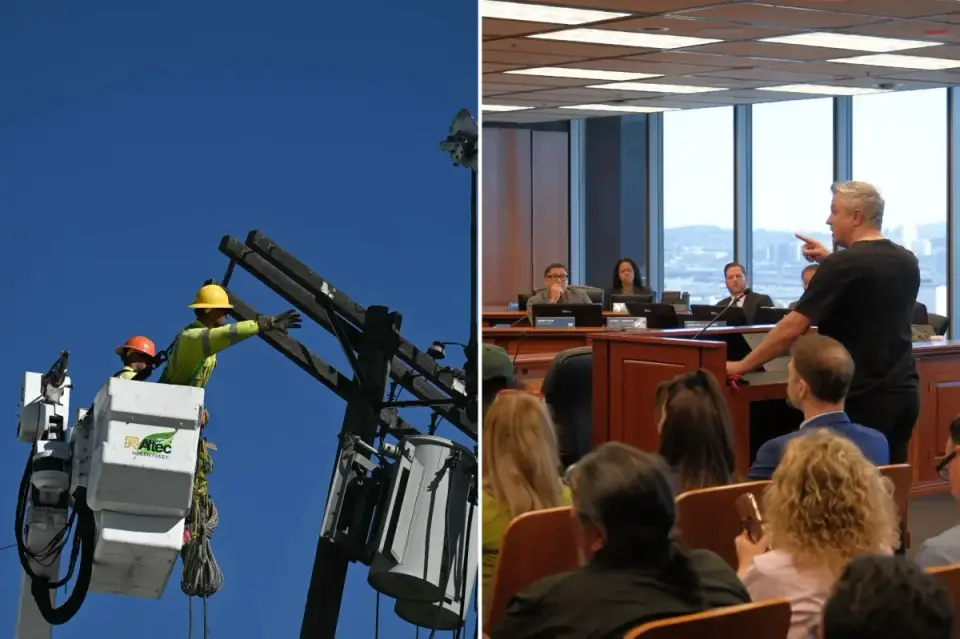
The Los Angeles Board of Water and Power suspended residential shutoffs for nonpayment through 2026 following a surge in customer complaints about exorbitant utility bills. This relief measure coincides with new reporting revealing that the utility’s top five employees earned nearly $3.84 million in 2025, with overtime accounting for the majority of their compensation. While the board approved measures to prevent disconnections and improve bill transparency, it declined to immediately order an independent audit, a move criticized by residents and mayoral candidates who argue that the utility’s spending lacks accountability.
Key points
- The LADWP Board of Commissioners voted to suspend all residential water and electricity shutoffs for nonpayment through the end of 2026, a move prompted by widespread public outcry over unexpectedly high summer bills.
- Investigative reporting indicates that LADWP’s five highest-paid workers, primarily distribution supervisors and mechanics, collectively earned $3.84 million in 2025, with overtime pay exceeding regular wages for each individual.
- The utility’s total payroll and benefits bill reached $2.65 billion in 2025, with 114 employees earning over $500,000 annually, a figure that has intensified public scrutiny of the agency’s financial management.
- Mayor Karen Bass and City Councilmember Nithya Raman have both called for an independent audit of LADWP’s rate structure, though the board president stated that such an audit is not currently feasible due to resource constraints.
- LADWP officials defended the high overtime costs as necessary for maintaining grid stability during extreme heat and emergencies, noting that recruitment for specialized electrical roles is increasingly competitive.
Background
This controversy occurs amid a broader national trend where rising electricity costs are forcing households to make difficult financial trade-offs, including reducing food spending. In Los Angeles, the issue is compounded by aging infrastructure and a push toward carbon-free power, which has led to higher pass-through costs for ratepayers. Previous local coverage highlighted that base rates have remained unchanged since 2019, but annual adjustments for fuel and inflation have driven recent spikes in customer bills.
How outlets are covering it
The California Post emphasizes the disparity between soaring employee compensation and struggling ratepayers, highlighting that the top five earners received nearly $3.84 million, with overtime constituting the bulk of their pay. In contrast, the Los Angeles Times focuses on the immediate policy response, detailing the board’s decision to suspend shutoffs and the political pressure from mayoral candidates for an audit. NBC Los Angeles reports on the practical relief measures, such as the promotion of the Level Pay program, while noting that the board did not vote to order an independent audit despite public demands. LADWP officials, including spokeswoman Kimberly Briggs, argue that the high overtime is a cost-effective tool to address staffing shortages and critical emergencies, whereas critics like radio host John Kobylt describe the utility as corrupt and unaccountable.
Why it matters
The situation highlights a growing tension between public utility spending and consumer affordability in Los Angeles. As residents face bills that have increased by 15% to 20% compared to last year, the lack of transparency in rate calculations and the high cost of labor have eroded public trust. The suspension of shutoffs provides temporary relief, but the unresolved question of whether the utility’s financial practices are sustainable or fair remains a central issue in the upcoming mayoral election and city governance.
What to watch
The LADWP is expected to review and develop recommendations to update its electricity rate ordinance, a process that requires City Council approval. Board President Allan Marks has indicated that an independent audit may be pursued within the next two years, though he acknowledged that the cost would fall on ratepayers. Meanwhile, the city controller’s office has begun a preliminary investigation into the department, though it lacks the manpower for proactive, annual audits.
- Exclusive | LADWP workers rake in nearly $800K as LA ratepayers get slammed with sky-high utility bills New York Post
- KTLA Exclusive: LADWP board chief responds to customer outrage KTLA
- Los Angeles officials call for review, relief as residents react to high LADWP bills ABC7 Los Angeles
- Amid rash of unusually high DWP bills, board suspends shutoffs for nonpayment Los Angeles Times
- See what LADWP is trying to do to help people struggling to pay high utility bills NBC Los Angeles
Want the full story? Read the original reporting
Read on New York Post