National average monthly utility bills reached $412 in 2025, a 7% increase from the previous year, according to JD Power. This rise poses a significant financial challenge for first-time homebuyers, who often face 'sticker shock' when moving from rental units to larger, less energy-efficient homes. The Washington Post highlights that these recurring costs can reshape home-buying budgets, making it crucial for prospective buyers to evaluate energy efficiency and potential utility expenses before closing on a property.
New York State is deploying two distinct financial relief mechanisms to assist residents with rising energy costs. The Energy Affordability Program (EAP) offers monthly bill discounts of up to $500 for households meeting specific income thresholds, while the Protecting Our Wallets Energy Rebate (POWER) program distributes one-time checks of up to $200 to 8.2 million households. Governor Kathy Hochul has launched a state-wide campaign to increase EAP enrollment, noting that 2.5 million eligible residents have not yet signed up. The POWER checks, funded by a $1 billion budget allocation, are being mailed automatically starting in September and continuing through December, requiring no action from recipients. Eligibility for EAP is determined by household size and utility provider, with income caps ranging from $69,477 for single-person households in upstate areas to $213,900 for eight-person households in the NYC metro area. The POWER program targets tax filers from 2024, with amounts varying based on income brackets and filing status. These initiatives aim to mitigate the impact of soaring gas prices and increased heating and cooling costs on New Yorkers.
New York State will begin mailing one-time energy rebate checks to 8.2 million residents starting September 21. The $1 billion POWER program provides payments ranging from $100 to $200 based on 2024 tax income, with no application required.
New York State is distributing one-time cash rebates to approximately 8.2 million residents to offset rising electricity costs. The payments, funded by a $1 billion allocation in the 2026-27 budget, range from $100 to $200 based on income and filing status. Checks are being mailed automatically from September through December without requiring applications.
Americans face record-high summer electricity bills as extreme heat drives up cooling use; the average household is projected to spend about $792 on electricity from June through September, up 10.5% from last year and nearly 40% higher than in 2020, with one in six households behind on utility bills and advocates urging Congress to boost LIHEAP funding to $7 billion for fiscal year 2027.
New York's state budget dedicates $1 billion to offset rising utility rates. Once Gov. Hochul signs the budget, eligible residents will receive relief checks this fall: joint filers under $150,000 get $200; joint filers $150,000–$300,000 get $150; and single filers under $150,000 get $100. Checks will be issued between September and December and are based on 2024 tax returns.
Philadelphia residents faced significant increases in utility bills in 2025 due to rising electricity, gas, and water rates driven by infrastructure investments, inflation, and increased demand, with further hikes expected in 2026, impacting affordability and budgeting for many households.
Democrats Peter Hubbard and Alicia Johnson won key seats on Georgia's Public Service Commission, marking the first statewide Democratic wins since 2006 and signaling a shift in energy policy focus towards affordability and clean energy, amid concerns over rising utility costs and outside spending influence.
Utility bills in the U.S. are rising due to increased demand driven by AI, electrification, and geopolitical disruptions, coupled with transmission bottlenecks, tariffs, and policy shifts away from renewables, leading to higher energy costs and challenges in expanding clean energy infrastructure.
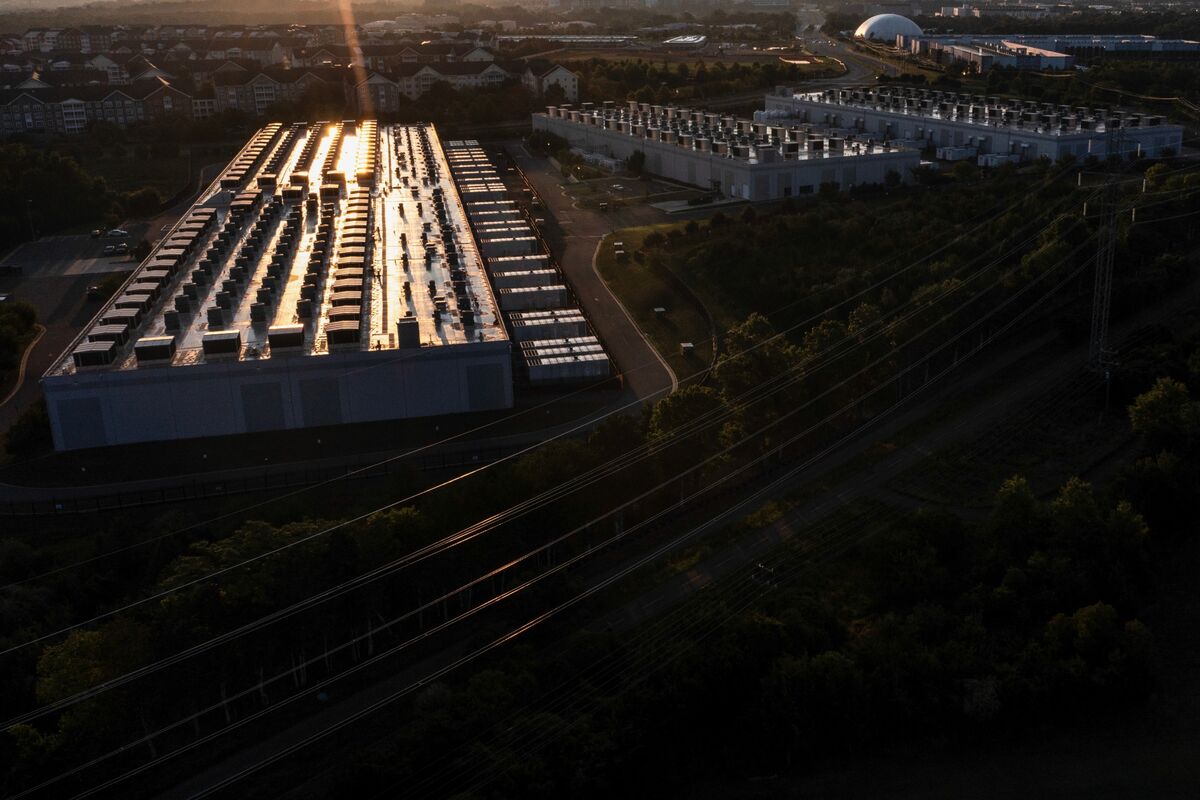
Rising demand from data centers, especially in PJM's territory, has led to a 22% increase in wholesale electricity prices from 2024, causing potential utility bill hikes of up to 5% for 67 million customers across 13 states, with concerns over the impact on residential affordability and the transfer of wealth to large corporations.
US electricity bills are rising sharply due to increased demand from data centers and AI technologies, making electricity the new 'eggs' in terms of cost concerns for consumers.
Americans are facing higher air conditioning bills this summer, with costs expected to rise nearly 8% due to increased usage from hotter temperatures. This financial strain is particularly severe for low-income households, many of whom struggle to afford cooling. Despite rising heat-related health emergencies and deaths, federal assistance for utility bills has been reduced, leaving many without adequate support. Current policies are insufficient to address the growing need for cooling assistance amid climate change.
Californians can expect up to $175 off their April utility bills through the state's Cap-and-Trade Program, with an average credit of $146 for gas and electricity bills. The "climate credit" will automatically apply to bills for eligible residents, benefiting customers of several utility companies. This relief, totaling more than $14 billion statewide since 2014, aims to support millions of California families and reduce greenhouse gas emissions.
The California Public Utilities Commission is proposing a monthly fixed fee of $24.15 for around 11 million customers of the state’s major utility companies, aiming to shift from energy-based to income-based rates. While lower-income households may see lower overall costs, higher-income customers in cooler regions could pay more. The proposal, which could be approved in May, aims to incentivize energy-efficient technology adoption but faces opposition from some lawmakers and members of Congress.
The California Public Utilities Commission has approved a plan by Pacific Gas & Electric to raise utility bills, with customers expected to see a $4 to $6 increase. The additional charge is intended to help pay for safety upgrades made by the company in 2022. PG&E has also requested more time to make a $1 billion payment, despite reporting profits of over $2 billion last year.