
Bay Area voters approve $1bn sales tax to avert transit collapse
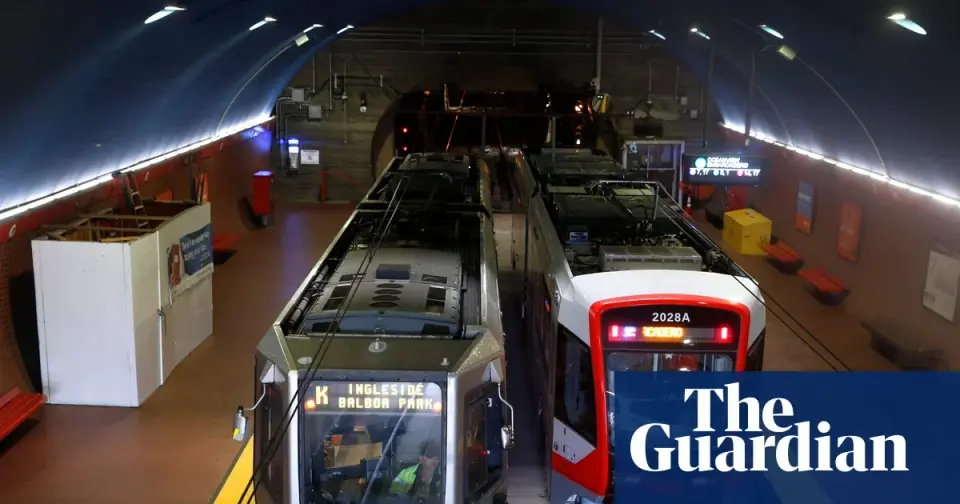
Voters in five Bay Area counties approved a regional sales tax and a San Francisco parcel tax, securing approximately $1 billion annually for public transit. This measure prevents severe service cuts and station closures for BART, Caltrain, and Muni, averting a predicted fiscal crisis and potential traffic surge.
Key points
- The Regional Transit Measure passed with 62.2% support across five counties, including 78.6% in San Francisco, generating about $1 billion yearly for four major transit operators.
- San Francisco voters also approved a parcel tax for Muni with 73.6% support, marking the first publicly owned transit agency in a major US city to receive such funding.
- BART General Manager Bob Powers confirmed that the funding prevents planned closures of up to 15 stations and service reductions, with BART receiving roughly $300 million annually.
- The measures were qualified by a grassroots campaign that collected 77,000 signatures, described by organizers as the largest signature-gathering mobilization in recent Bay Area memory.
- Advocates warn that without this funding, traffic delays on the Bay Bridge could have doubled, and the region would have faced a downward spiral of reduced service and revenue.
Background
In September 2026, a report by the San Francisco Bay Area Planning and Urban Research Association warned that traffic delays could double if transit funding failed, citing potential deficits of $800 million regionally. The recent approval of the sales tax directly addresses these warnings, providing a long-term financial solution to the fiscal cliff that threatened BART, Caltrain, and Muni following the expiration of pandemic relief funds.
How outlets are covering it
The Guardian emphasizes the grassroots nature of the campaign, highlighting organizer Lian Chang’s efforts to mobilize volunteers and the potential for legal challenges from anti-tax groups. KTVU focuses on the operational relief for BART, with General Manager Bob Powers noting that while the funding does not solve all future financial challenges, it allows the agency to manage costs without returning to voters. Mass Transit places the Bay Area victory within a broader national trend, noting that transit measures passed in 11 states, though some, like Fresno’s, failed. Critics mentioned by KTVU argue that agencies should have pursued efficiency cuts rather than tax increases, a view countered by supporters who cite the necessity of the revenue for maintaining service levels.
Why it matters
The approval of these measures stabilizes the financial foundation of the Bay Area’s transit network, preventing a cascade of service reductions that would have increased reliance on private vehicles and worsened congestion. It also signals strong public support for public infrastructure, potentially influencing state-level policy under new leadership, including Governor-elect Xavier Becerra and Senator Scott Wiener, who co-authored the measures.
What to watch
The measures may face legal challenges from anti-tax groups, potentially tying funds in escrow. Transit advocates plan to use this momentum to push for state-level changes in transit funding models. BART and other agencies will now focus on operational improvements and exploring additional revenue sources, such as transit-oriented development, while monitoring performance metrics mandated by the new legislation.
- Did the Bay Area just save its transit system from the brink of certain death? The Guardian
- BART General Manager: What's next after voters approve sales tax lifeline KTVU
- Big win for Bay Area transit as voters approve regional measure and S.F. Muni tax San Francisco Chronicle
- Transit sees big wins across U.S. in 2026 general election Mass Transit
- Midterm Results: Big Wins for Transit, Walking, and Biking Streetsblog USA
Want the full story? Read the original reporting
Read on The Guardian