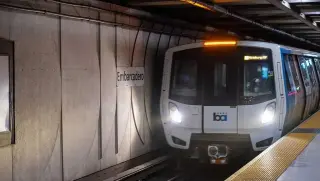
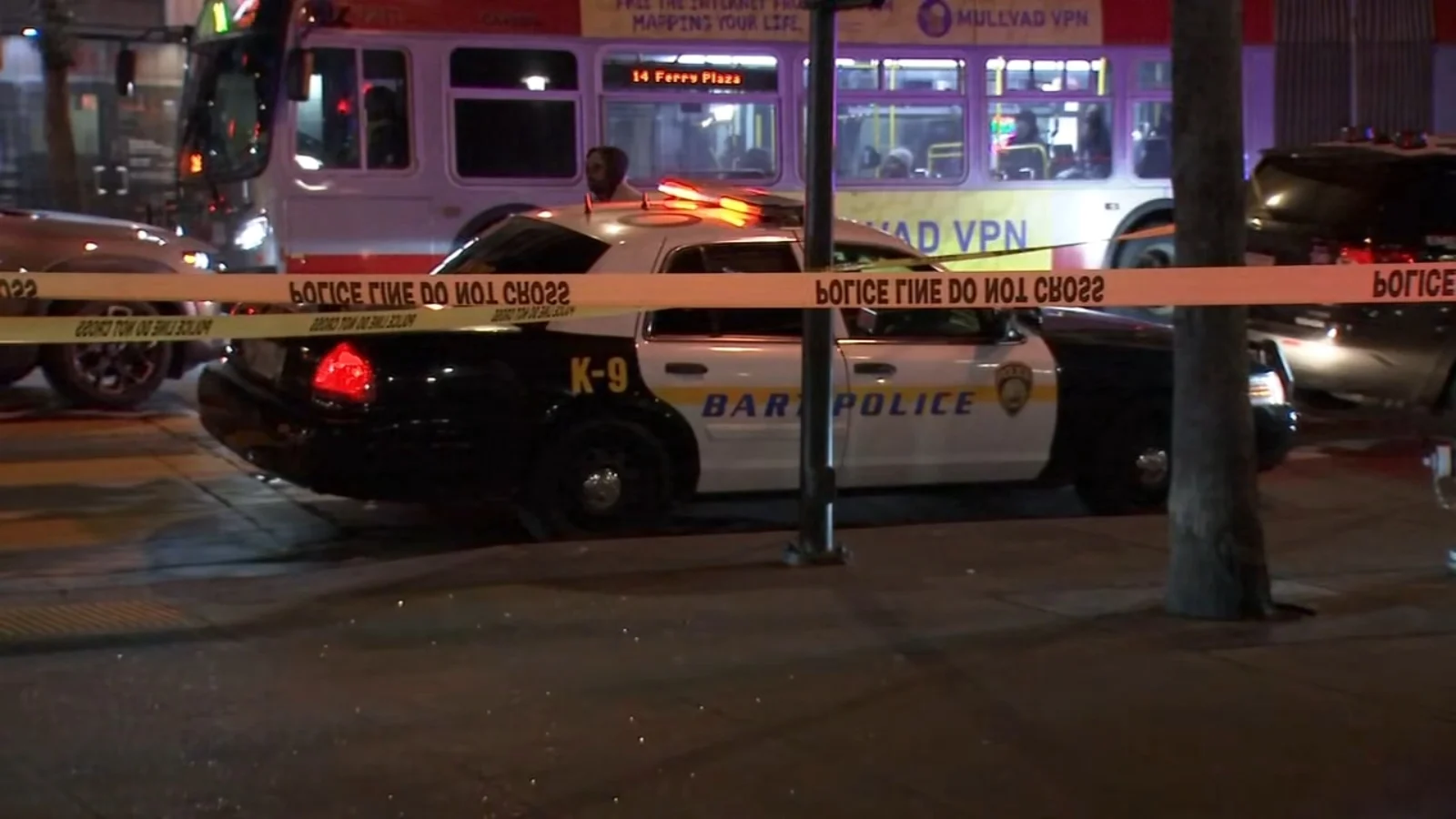
A shooting at the BART transfer platform in Pittsburg on Monday evening left three people injured and prompted a temporary suspension of service between Antioch and North Concord/Martinez. BART police detained one suspect, while a second remains at large. The incident, which stemmed from an argument, caused significant delays and safety concerns among commuters.
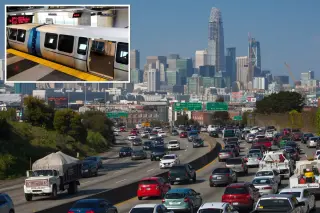
A new study by SPUR warns that rush-hour traffic delays in the San Francisco Bay Area could double if public transit systems face severe budget cuts. The report highlights potential increases of 15 to 43 minutes in travel times on major highways like the Bay Bridge and Caldecott Tunnel. These delays would result from an estimated 430,000 people losing access to BART stations, forcing them onto freeways and adding over 498 million vehicle miles traveled annually. The financial crisis stems from BART’s annual deficits of $350 million to $400 million, with potential regional deficits reaching $800 million next year. To address this, voters will decide in November on a sales tax increase to fund transit operations. While SPUR advocates for the measure, opponents dismiss the study as a scare tactic, arguing that the proposed tax would be more costly than the transit system itself. The situation underscores the critical link between public transit funding and regional traffic congestion.
A Bay Area heatwave hits BART with a substation fire, HVAC failures, and an unusual control-system glitch that creates phantom train occupancies on the tracks, forcing slower speeds and reroutes. Green Line service was halted and Peninsula routes disrupted as riders faced long waits and bus substitutions; officials say extreme heat can trigger false occupancies and aging infrastructure is a contributing factor, with the Daly City substation slated for replacement to prevent future outages.
A stabbing spree across multiple Oakland locations left one person dead and four others injured, including a victim at Fruitvale BART station; police say a single suspect is in custody after a brief foot pursuit, with no motive disclosed and investigations ongoing.
BART rolled out a system-wide schedule update aimed at reducing wait times: Yellow and Red lines will have 10-minute headways, Blue and Green lines will run every 8 and 12 minutes, Bay Fair gets a cross-platform transfer, and MacArthur adds a four-minute transfer window; changes vary by station and some platforms may shift.
Bay Area transit agencies warn they could face drastic service cuts without a November sales-tax measure (up to 1%) to fund BART, Muni, Caltrain, AC Transit and the Bay Ferry. Supporters say the measure is needed for stable funding and to accommodate large events, while the campaign highlights transit’s role in the region’s economy and daily mobility. The piece appears in a live‑updates format and sits alongside other World Cup–related political and local-interest items.
Organizers surpassed the signature threshold to qualify a five-county BART rescue measure for the November ballot, potentially delivering about $310 million to sustain BART and regional transit agencies and avoid significant service cuts. The measure requires a majority vote across San Francisco, Alameda, Contra Costa, San Mateo and Santa Clara counties and would include independent financial efficiency reviews. Campaigning now shifts from qualification to winning passage.
Facing a large budget gap, BART warns that voters' rejection of a regional sales tax could trigger up to 15 station closures and about 1,200 layoffs in 2027, plus reduced service, shorter hours, and longer wait times.
BART warns it may halt service at 9 PM and permanently close up to 15 stations in 2027 if a regional sales tax measure fails in the November 2026 election, with phased closures across multiple lines and a Feb. 12 board workshop to discuss a plan to close a $376M deficit.
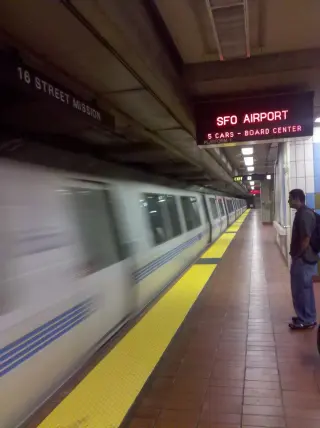
San Francisco police arrested a suspect after three people were stabbed near the 16th Street and Mission BART station; two victims are in life-threatening condition and one is non-life-threatening, with the suspect’s identity not released as the investigation continues.
A power outage affected over 100,000 customers in San Francisco, impacting neighborhoods, traffic lights, and BART stations, with restoration times uncertain and the cause unspecified.
BART service in San Francisco was halted on three out of four lines due to police activity, with the Daly City station briefly closed before reopening. Passengers were advised to expect major delays, and alternative bus service was provided by Muni. The nature of the police activity was not immediately disclosed.
A body was discovered on the tracks between Balboa Park and Daly City Stations, prompting the closure of Balboa Park Station and a temporary halt in train services until 4:30 a.m. The San Francisco Coroner’s Office and BART Police retrieved the body, with no suspicion of foul play. As of now, there are no reported delays in transit.
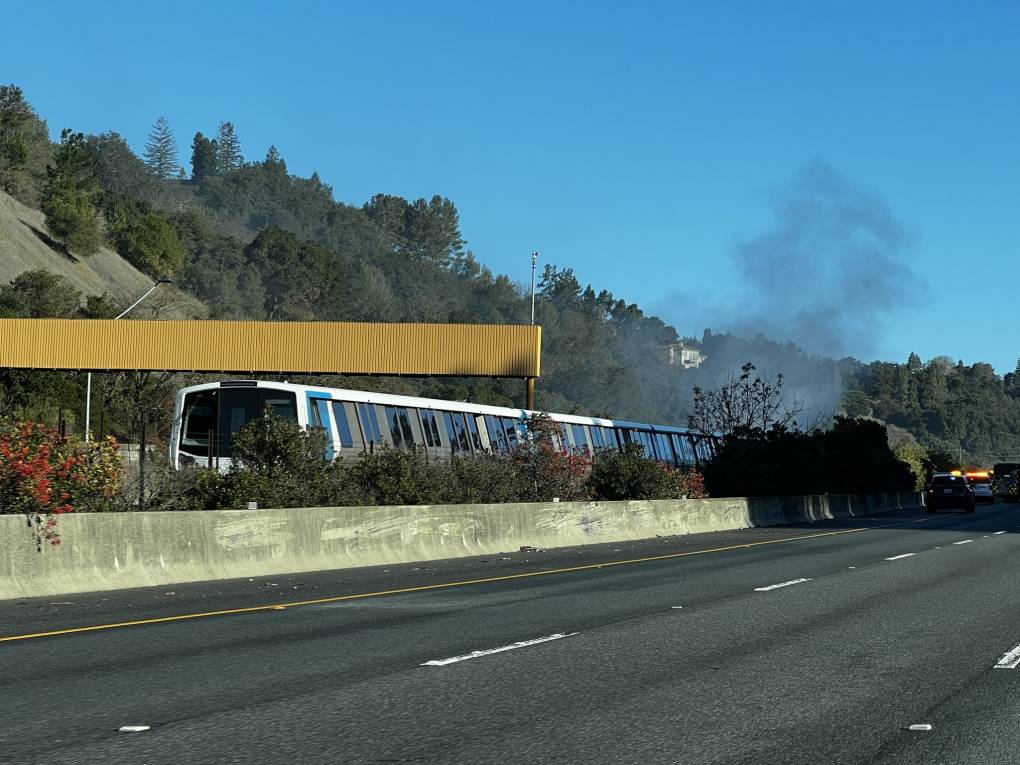
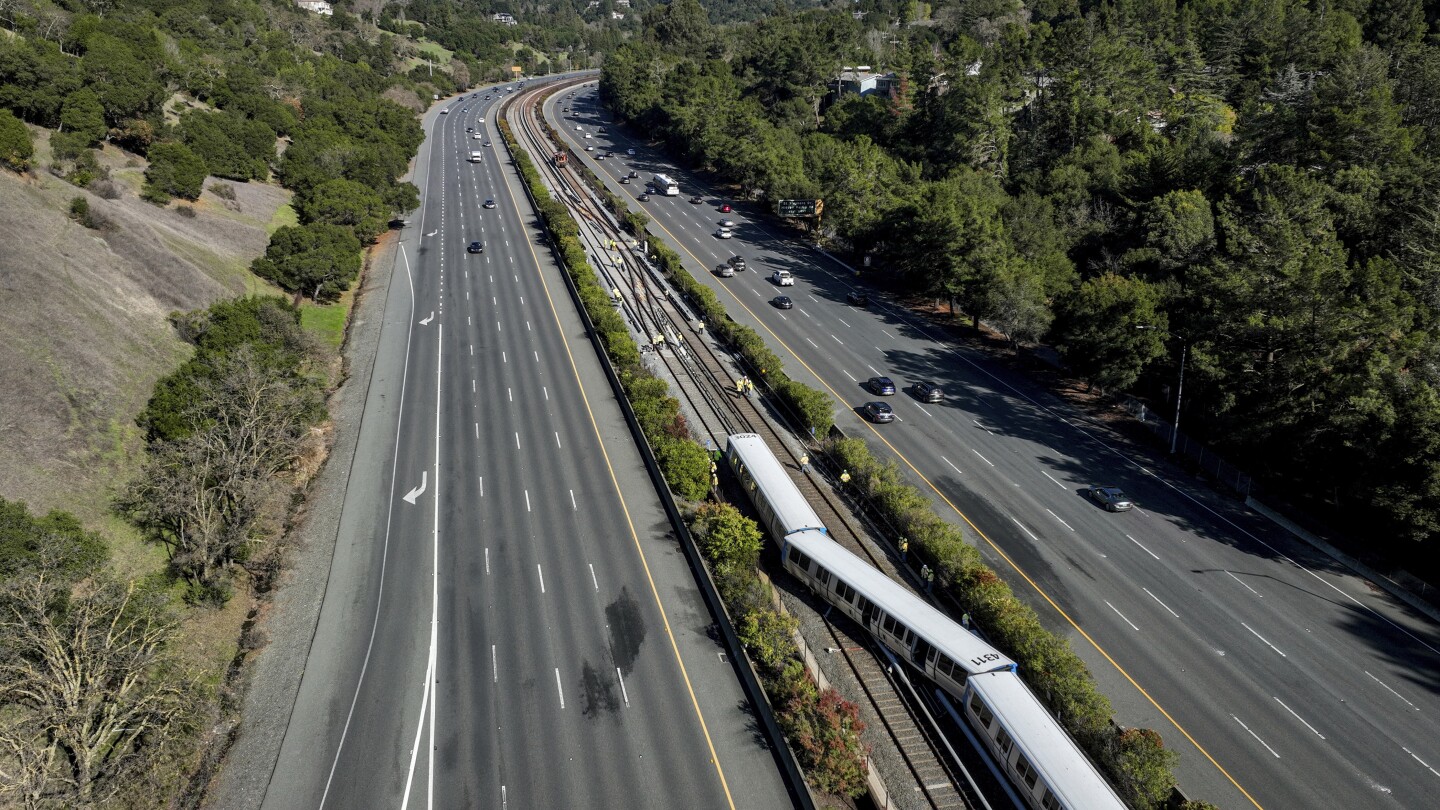
BART has resumed normal service on its Antioch-SFO Yellow Line following a derailment and fire near the Orinda station on Monday morning. The incident, which caused minor injuries to nine people, involved a train operator attempting to manually reset a track switch, leading to the derailment of two cars and a brief fire. Service was disrupted as BART coordinated with local bus agencies for passenger transit and used a crane to remove the derailed cars. Investigations by BART's system safety department and the California Public Utilities Commission are underway.
On New Year's Day, a Bay Area Rapid Transit (BART) train derailed and caught fire between Orinda and Lafayette stations near San Francisco, causing minor injuries to several passengers. The incident occurred after the train left Orinda station, leading to the evacuation of all passengers and a temporary closure of the Orinda Station. Service was disrupted on a 12-mile stretch of rail, and the cause of the derailment is under investigation.