
Chicago Declares Overflow Action Day as TARP Reservoirs Near Capacity Amid Persistent Storms
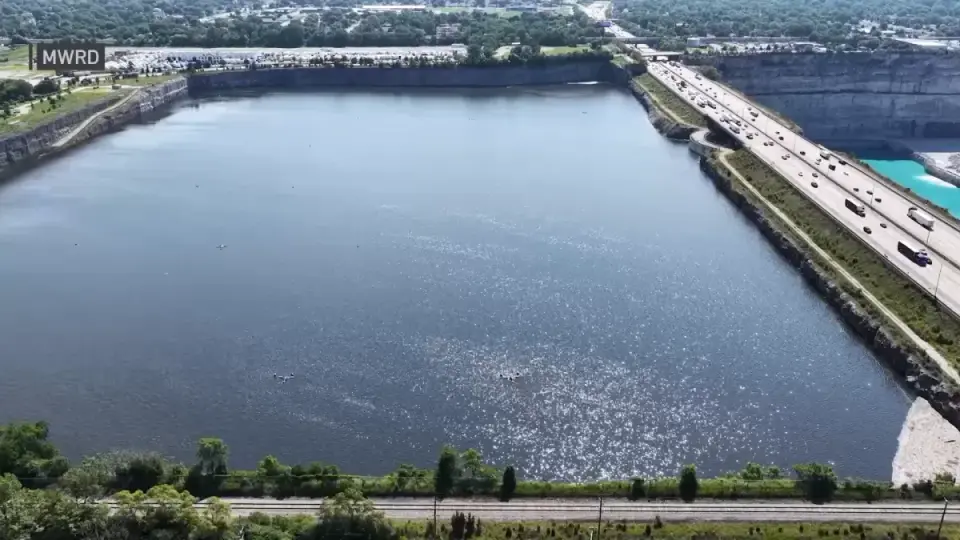
The Metropolitan Water Reclamation District (MWRD) has declared an 'Overflow Action Day' for Monday, urging Chicago-area residents to reduce water usage to prevent sewer overflows and flooding. This measure follows a persistent storm pattern that has pushed the McCook TARP Reservoir to 95% capacity. While the National Weather Service forecasts severe thunderstorms, damaging winds, and potential tornadoes through Wednesday, officials warn that continued rainfall could force the release of untreated sewage into Lake Michigan, leading to beach closures and health hazards.
Key points
- MWRD declared an 'Overflow Action Day' for Monday, asking residents to delay showers, reduce toilet flushing, and postpone laundry and dishwasher use.
- The McCook TARP Reservoir is at 95% capacity, holding nearly 5 billion gallons, while the Thornton TARP Reservoir is at 58%.
- The McCook Reservoir has reached full capacity six times this year, compared to only five times in the previous five years combined.
- The National Weather Service issued a Hazardous Weather Outlook, predicting severe storms, flash flooding, and tornadoes from Monday through Wednesday.
- Officials warn that if the TARP system becomes too full, untreated sewage may be released into Lake Michigan, causing beach closures and health risks.
Background
This event follows a period of significant weather volatility in the region. Earlier in August, the Chicago area experienced severe storms that downed trees and produced tornadoes in Lee and LaSalle counties. The current situation is part of a broader pattern of heavy rainfall that has heavily taxed the TARP infrastructure, which includes approximately 110 miles of underground tunnels and three major reservoirs: Thornton, McCook, and Majewski. The system is designed to capture stormwater and sewage to prevent overflow into local rivers and lakes, but recent precipitation totals have strained its capacity significantly.
How outlets are covering it
NBC Chicago and the Evanston RoundTable emphasize the immediate infrastructure strain, highlighting the MWRD's 'Overflow Action Day' and the specific water conservation measures requested from residents. FOX 32 Chicago and the Daily Herald focus on the meteorological threats, detailing the National Weather Service's Level 2 and Level 3 severe weather risks, including damaging winds up to 80 mph and potential tornadoes. While all sources agree on the severity of the weather, NBC Chicago provides the most detailed data on reservoir capacities, whereas the suburban outlets focus more on the safety advisories and storm timing.
Why it matters
The strain on the TARP system poses direct risks to public health and property. If the reservoirs exceed capacity, untreated sewage could overflow into neighborhood basements or be discharged into Lake Michigan, leading to beach closures and potential health hazards. The repeated capacity hits this year indicate a growing vulnerability in the region's stormwater management infrastructure, necessitating immediate public cooperation to mitigate flooding and environmental damage.
What to watch
Residents are expected to continue limiting water usage through the week as storms persist. The National Weather Service will monitor the severe weather threats through Wednesday, with potential for further tornadoes and flash flooding. MWRD officials will closely monitor reservoir levels, particularly the McCook and Thornton reservoirs, to determine if additional emergency measures, such as controlled releases into Lake Michigan, are necessary to prevent system failure.
- Chicago-area residents asked to delay showers, use less water ahead of more storms NBC 5 Chicago
- LIVE | Chicago severe weather threat Monday brings damaging winds, hail, flooding risk FOX 32 Chicago
- Potentially severe thunderstorms to hit area this week Daily Herald
- Monday forecast: More humidity, storms and heavy rain around Chicagoland to the start work week WGN-TV
- National Weather Service issues Hazardous Weather Outlook as severe thunderstorms, heavy rain expected Evanston RoundTable
Want the full story? Read the original reporting
Read on NBC 5 Chicago