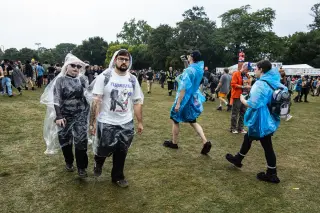
Riot Fest delayed its Sunday opening until 2 p.m. to address rain-soaked grounds at Douglass Park. After an early Saturday close, organizers confirmed headliners like Alanis Morissette and Elvis Costello would still perform, though some attendees expressed frustration over late notice.
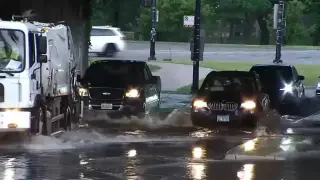
The Metropolitan Water Reclamation District of Greater Chicago (MWRD) urged residents to limit water usage on Saturday, September 19, 2026, to prevent flooding and protect water quality during a period of heavy precipitation. Multiple waves of rain and thunderstorms were expected across the region, with forecasts predicting up to 3 inches of rainfall in some areas. The MWRD requested that residents delay showers, reduce toilet flushing, and postpone appliance use to create capacity within the water system. This request coincided with a flood watch issued by the National Weather Service for parts of Illinois and Indiana, as saturated ground increased the risk of localized flooding and river overflow.
Riot Fest 2026 ended its second day early on Saturday, September 19, due to severe weather. Organizers collaborated with the City of Chicago to cut the schedule short, moving headliners to 6:00 p.m. and ending all sets by 7:30 p.m. Afroman’s performance was removed entirely. The National Weather Service issued a flood watch through Sunday morning, prompting the decision. Sunday’s schedule remains unchanged, though the Chicago River Swim was canceled due to the same weather conditions.
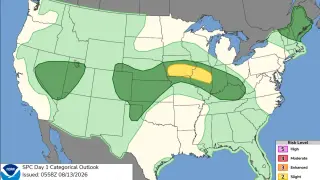
Chicago is forecast for three more days of storm chances, bringing heavy rain, hail and gusty winds up to 60 mph. The southern suburbs are expected to take the heaviest rainfall (possibly over three inches) as a weather system moves through after a damaging derecho, with additional storms possible Friday and Saturday.
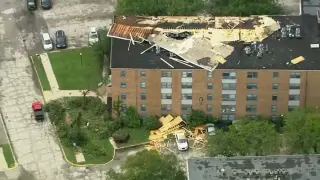
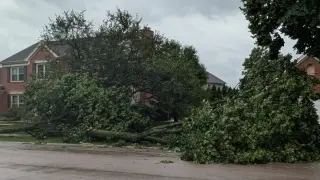
Five tornadoes touched down in the Chicago area and northwest Indiana during a Tuesday derecho, pushing the 2026 Chicago-area tornado total to 70—the most on record since records began— with twisters ranging EF-0 to EF-2 (including Oswego, Wilmington, eastern Will County near Monee-Crete-St. John, southern Cook/Will County border near Orland Park–Munster, and Mokena/Tinley Park). National Weather Service surveys confirmed all five, amid widespread wind damage across the region; one Orland Park animal hospital reported temporary closure due to storm damage. The previous annual record was 63 tornadoes in 2024.
A line of severe storms swept through the Chicago area with winds over 80 mph, golf- to baseball-sized hail, and flash flooding, causing widespread damage, hundreds of thousands to lose power, and major disruptions to flights and rail/transit; there were reports of tornado touchdowns in Orland Park and Glen Ellyn, though not yet confirmed by the NWS.
Two rounds of potentially severe thunderstorms are forecast for Chicago on Monday—first from about 8 a.m. to 1 p.m. and a second, possibly more severe from 4 to 10 p.m.—with large hail and damaging winds up to 70 mph and additional rain that could worsen flooding in a record-wet spring (about 10 inches through April 17). The storm track depends on a warm front, so the northward extent of severe weather remains uncertain; residents near the Rock, Fox, and Des Plaines rivers should monitor forecasts and prepare for possible flooding, while the Chicago River is not listed as flood-prone in this alert.
Chicago is under a Red Flag Warning through Wednesday night due to warm temperatures and gusty winds—up to 45 mph—that raise the fire risk. Any grass or brush fires could spread quickly; highs will reach the upper 60s, with a wind advisory for areas north and northwest of the city, and the highest risk along and west of Fox Valley and I-55.
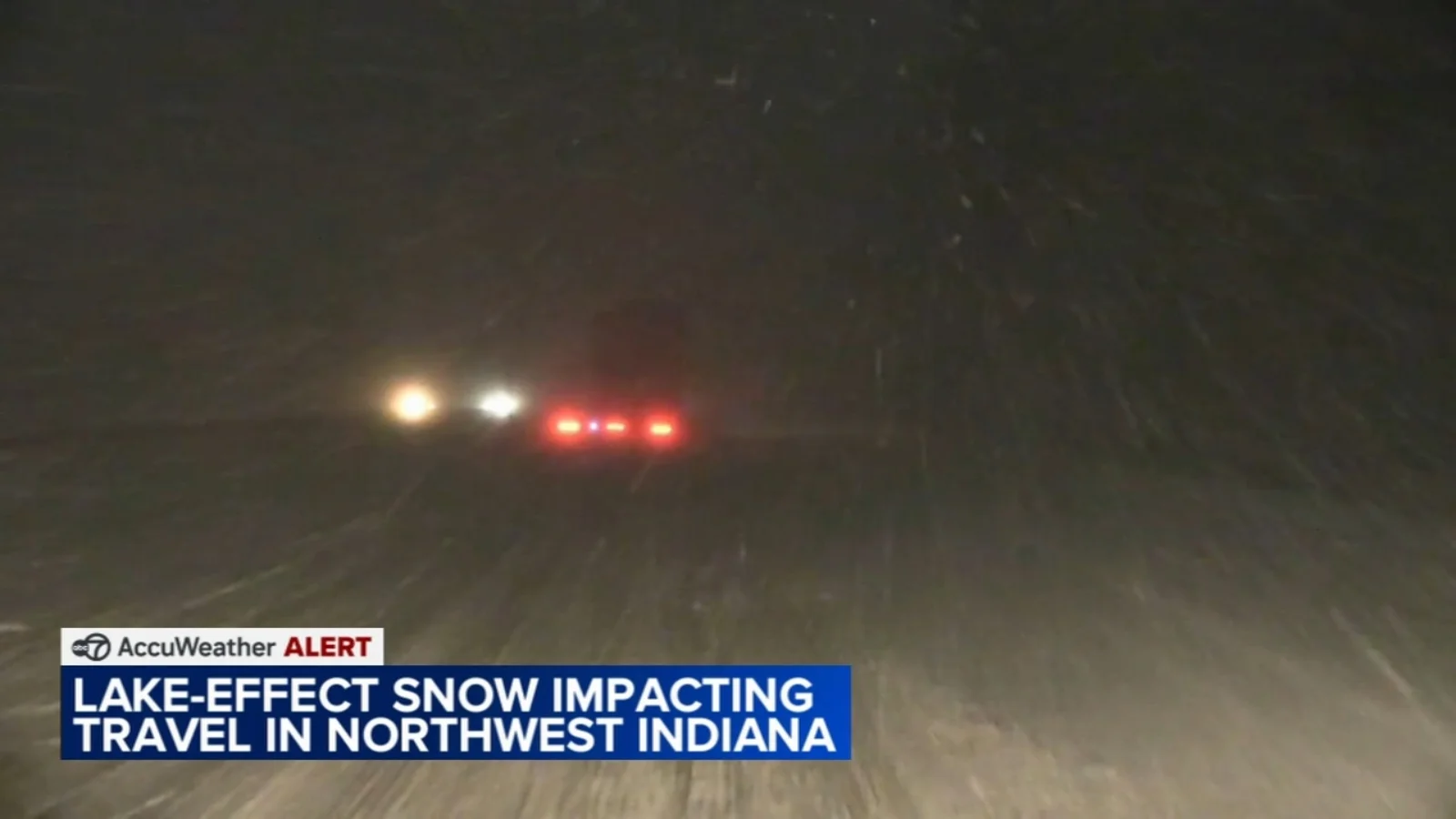
Chicago area remains under a Winter Weather Advisory as lake-effect snow continues, with 2–4 inches possible along the lakefront and cold, cloudy conditions persisting. The advisory covers Cook and eastern Will counties through 4 p.m., with Porter and Lake counties (IN) affected into the afternoon. Travel is impacted by snow and flight disruptions, including cancellations and delays at O’Hare and Midway, while snowplow crews work to clear roadways and conditions are expected to improve by late afternoon.
Tom Skilling, the longtime chief meteorologist at WGN-TV in Chicago, announced his retirement after 45 years at the station. Skilling, known for his expertise and amiable delivery, has been a familiar face on Chicago airwaves, guiding viewers through the city's unpredictable weather. He plans to retire at the end of February 2024 and expressed gratitude for his career. Skilling's retirement marks the end of an era for Chicago TV weathercasters, as he joins the ranks of notable former weather personalities in the city.