
25 Years Later: How 9/11 Coverage Shaped Careers and Trauma for Journalists
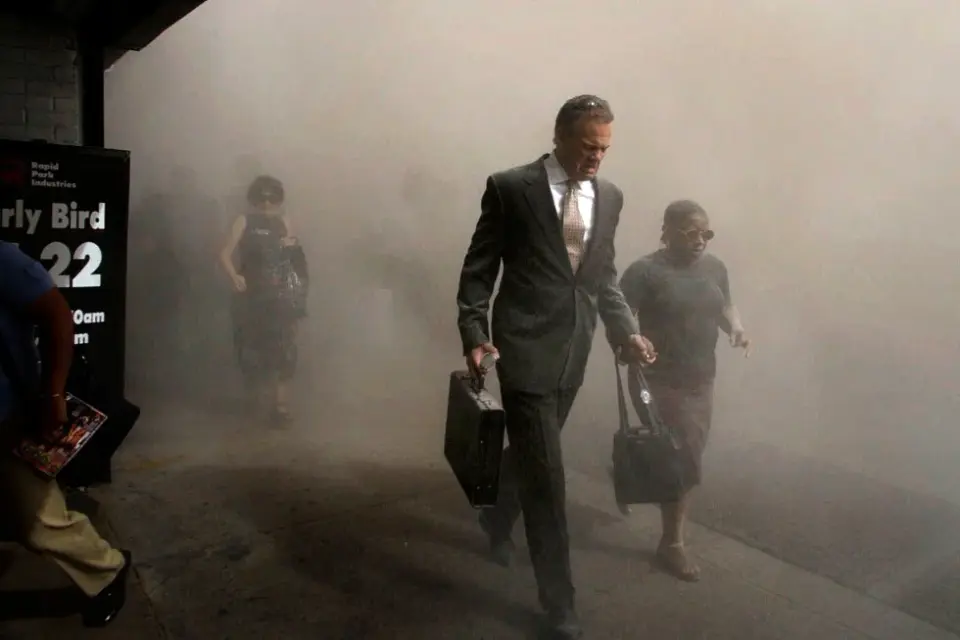
Marking the 25th anniversary of the September 11 attacks, multiple outlets highlight how the event permanently altered the lives of news professionals. AP journalists recall the visceral impact of witnessing the towers fall, while TV anchors describe how the day launched or reshaped their careers. Print and local reporters detail the logistical chaos of breaking news without modern technology, emphasizing the enduring psychological toll and professional pivots that followed the tragedy.
Key points
- AP photographer Drew captured the iconic 'Falling Man' image, a moment he revisits weekly despite the trauma; he describes using his camera as a 'wall' to process the event.
- TV journalists like Bret Baier and Byron Pitts credit 9/11 with launching their national careers, though they describe coping mechanisms such as seeking dangerous assignments or feeling perpetual guilt.
- Local outlets like The Toledo Blade published emergency 'Extra' editions, with staff mobilizing to confirm the safety of local connections and document the immediate aftermath in their communities.
- Journalists recall the absence of smartphones and social media, relying on landlines and physical presence to gather information, which intensified the sense of isolation and urgency.
- Many professionals describe the day as a defining career moment that shifted their perspectives on risk, duty, and the human cost of reporting.
Background
This anniversary coverage follows a broader trend of media retrospectives on 9/11, including recent discussions on journalist safety in Gaza and the evolving role of social media in news distribution. The 2026 mark highlights how the event remains a central reference point for understanding modern journalism's relationship with trauma and crisis.
How outlets are covering it
AP News focuses on the personal, psychological impact on photographers and reporters, emphasizing the 'wall' of professional detachment. The Los Angeles Times highlights career trajectories, showing how 9/11 launched or altered the paths of TV anchors like Baier and Pitts. The Toledo Blade provides a local perspective, detailing the logistical challenges of breaking news in a smaller market and the community's immediate response. Columbia Journalism Review offers a personal, academic reflection on how the event disrupted career paths and the media industry's structure. All sources agree on the event's profound, lasting impact but differ in emphasis: AP on trauma, LA Times on career, Toledo Blade on local logistics, and CJR on industry shifts.
Why it matters
The 25th anniversary underscores how 9/11 remains a defining event for the journalism profession, shaping careers, coping mechanisms, and the industry's response to crisis. It highlights the enduring psychological toll on reporters and the evolving nature of news coverage in the digital age.
What to watch
As the 25th anniversary passes, attention will likely shift to the long-term health impacts on 9/11 responders and the continued evolution of journalism in the digital era. The legacy of 9/11 will remain a central reference point for understanding media's role in crisis and trauma.
- Associated Press journalists who witnessed Sept. 11 remember what they saw, 25 years later AP News
- 25 years on, they haven’t forgotten. How 9/11 changed these TV journalists’ lives Los Angeles Times
- My 9/11 Job Interview Columbia Journalism Review
- Blade journalists recall covering 9/11 as tragedy unfolded toledoblade.com
- Newsroom memories of 9/11 still vivid 25 years later delawareonline.com
Want the full story? Read the original reporting
Read on AP News