
Iran’s rial hits 2.5M per dollar as US pressure and campus protests intensify
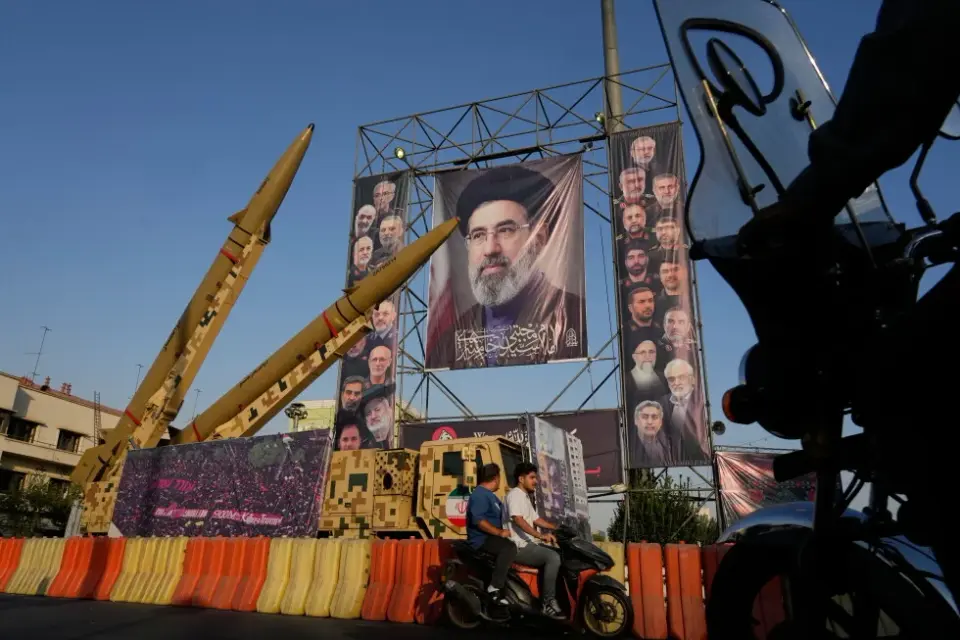
Iran’s currency has collapsed to a record 2.5 million rials per US dollar, driven by intensified US sanctions, a naval blockade, and a broader economic crisis. While Washington maintains pressure, Tehran faces internal unrest, including student protests against compulsory hijab and rising costs, alongside diplomatic stalemates over the Strait of Hormuz.
Key points
- The Iranian rial reached a record low of 2.5 million per US dollar, exacerbating inflation and cost-of-living crises.
- US Secretary of State Marco Rubio stated that sanctions and a naval blockade are causing an economic 'cataclysm' in Iran.
- Students at Tehran’s Allameh Tabataba'i University protested against compulsory hijab, rising fees, and poor welfare services, facing threats from Basij forces.
- President Trump rejected Iran’s proposal to reopen the Strait of Hormuz in exchange for sanctions relief, maintaining a strategy of economic isolation.
- Saudi Arabia’s East-West oil pipeline resumed full operations after a drone attack, with oil flows through the Strait of Hormuz averaging nearly 13 million barrels per day.
Background
The rial had already fallen below 2 million per dollar in August and late September 2026, coinciding with previous US sanctions and UAE trade suspensions. Recent months have seen sharp price hikes for basic goods and medicines, alongside state-organized parades by the Revolutionary Guards to project power amid economic strain.
How outlets are covering it
AP News and Iran International emphasize the economic impact of US sanctions and the naval blockade, with Rubio citing an impending 'cataclysm.' Iran International highlights the diplomatic deadlock over Hormuz, noting that oil flows remain high despite US pressure. The Jerusalem Post focuses on domestic unrest, reporting on student protests against the regime’s social policies and economic mismanagement. Iran News Update frames the currency collapse as a deepening cost-of-living crisis for ordinary Iranians. Outlets differ in emphasis: AP and Iran International focus on geopolitical and economic leverage, while the Jerusalem Post highlights internal social tensions and security crackdowns.
Why it matters
The currency collapse signals severe economic distress in Iran, potentially fueling further domestic instability and influencing US midterm election dynamics. The ongoing standoff over Hormuz and sanctions reflects a broader struggle for regional influence and energy security, with significant implications for global oil markets and US-Iran relations.
What to watch
Watch for potential shifts in US-Iran diplomatic negotiations, especially ahead of the November 3 US midterm elections. Monitor the impact of continued sanctions on Iran’s economy and any escalation in domestic protests or security crackdowns. Observe oil market reactions to Hormuz shipping levels and Saudi pipeline operations.
- Iran’s currency hits new record low, as war erodes Iran’s economic stability AP News
- Iran’s rial hits another record low under economic and military pressure Iran International
- Tehran university students rally against compulsory hijab, rising fees The Jerusalem Post
- Iran’s currency falls to a new record low as the war in the Middle East further erodes Tehran's economic stability kare11.com
- Iran’s Falling Rial Deepens the Regime’s Cost-of-Living Crisis irannewsupdate.com
Want the full story? Read the original reporting
Read on AP News