
Iranian Hacks on U.S. Water Systems Spark New Push for Federal Cybersecurity Rules
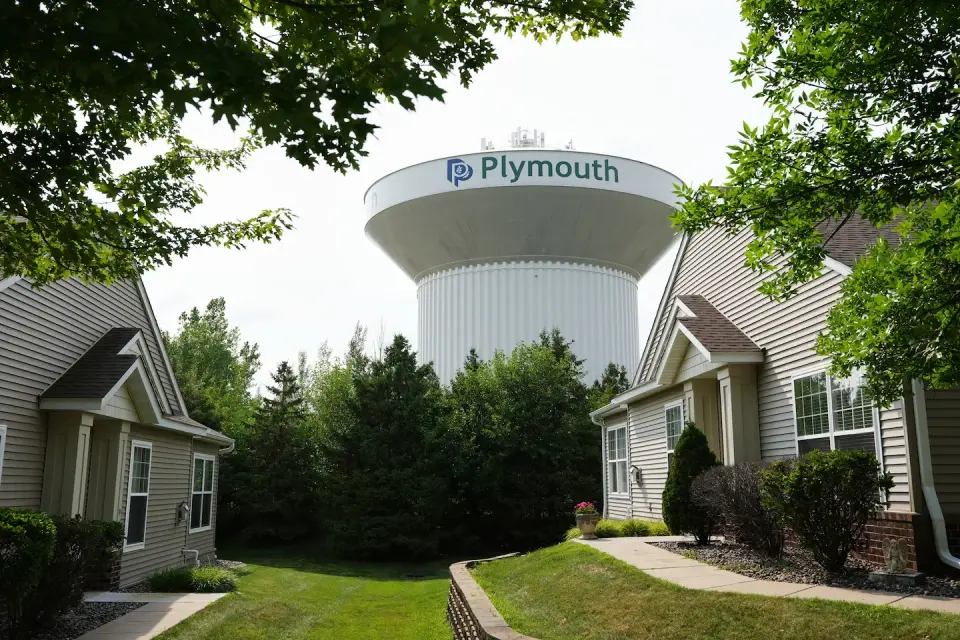
U.S. water systems face heightened cyber risks after suspected Iranian attacks in Minnesota and other states. Experts and lawmakers urge stronger federal regulations, while the EPA’s previous cybersecurity rule remains blocked by courts.
Key points
- Suspected Iranian hackers targeted over 30 water systems in Minnesota in late July 2026, with similar incidents reported in at least seven other states.
- The attacks exploited known, long-standing security weaknesses in operational technology, such as exposed internet portals and default passwords, rather than novel cyberweapons.
- A 2024 EPA audit found critical cybersecurity vulnerabilities in 97 water systems serving 26.6 million Americans, and 211 systems had internet-exposed portals.
- Sen. Adam Schiff plans to introduce a bill to authorize the EPA to regulate water sector cybersecurity, following a court halt of a previous Biden-era rule.
- The FBI and CISA are investigating the incidents, warning that attackers manipulated PLCs and changed passwords, forcing some utilities to switch to manual operations.
Background
U.S. water systems have faced prior cyber threats, including a 2022 hack in Guam attributed to China and long-standing Iranian targeting of Israeli water infrastructure. In early 2026, the FBI and EPA issued warnings about rising cyberattacks on water and wastewater systems, following a coordinated breach in Minnesota. The EPA had previously rolled back some cybersecurity standards after legal challenges, leaving many systems vulnerable.
How outlets are covering it
The Washington Post emphasizes the legislative and regulatory response, highlighting Sen. Adam Schiff’s planned bill and the legal battle over the EPA’s authority to regulate water cybersecurity. It frames the issue as a failure to implement 'low-hanging fruit' protections. Fox News, in an opinion piece, focuses on the technical simplicity of the attacks, arguing that basic security measures—like network segmentation, multi-factor authentication, and application allowlisting—could have prevented the breaches. Fox News stresses that the vulnerabilities are well-documented and that AI is merely making exploitation faster, not creating new weaknesses. Both outlets agree on the Iranian attribution and the scale of the threat but differ in emphasis: The Post focuses on policy gaps, while Fox News focuses on operational failures and immediate technical fixes.
Why it matters
The attacks demonstrate that critical U.S. infrastructure remains vulnerable to state-sponsored cyber threats using basic, known exploits. The potential for physical disruption to water supplies poses a direct risk to public health and safety. The ongoing legal and political battle over federal regulatory authority leaves a significant gap in protection for nearly 170,000 water and wastewater systems nationwide, many of which lack dedicated cybersecurity resources.
What to watch
Sen. Adam Schiff is expected to introduce legislation to restore and expand EPA authority over water cybersecurity. The FBI and CISA will continue investigating the Minnesota and multi-state incidents. Federal and state agencies are likely to issue new guidance urging utilities to implement basic security measures, including network segmentation and application allowlisting, to close known vulnerabilities.
- Water systems are ripe for cyberattacks, experts warn after suspected Iranian hacks The Washington Post
- Senate Democrats unveil cybersecurity bill after attacks on water infrastructure The Hill
- The Cyberattack That Brought a Distant War to Small-Town Minnesota WSJ
- Is America’s Drinking Water the Next Front in the Iran War? The New York Times
- Iranian hackers attacked our water systems. Here are 5 things our leaders need to do now Fox News
Want the full story? Read the original reporting
Read on The Washington Post