
Army sets Wednesday detonation for unstable lead azide in Iowa amid health and legal disputes
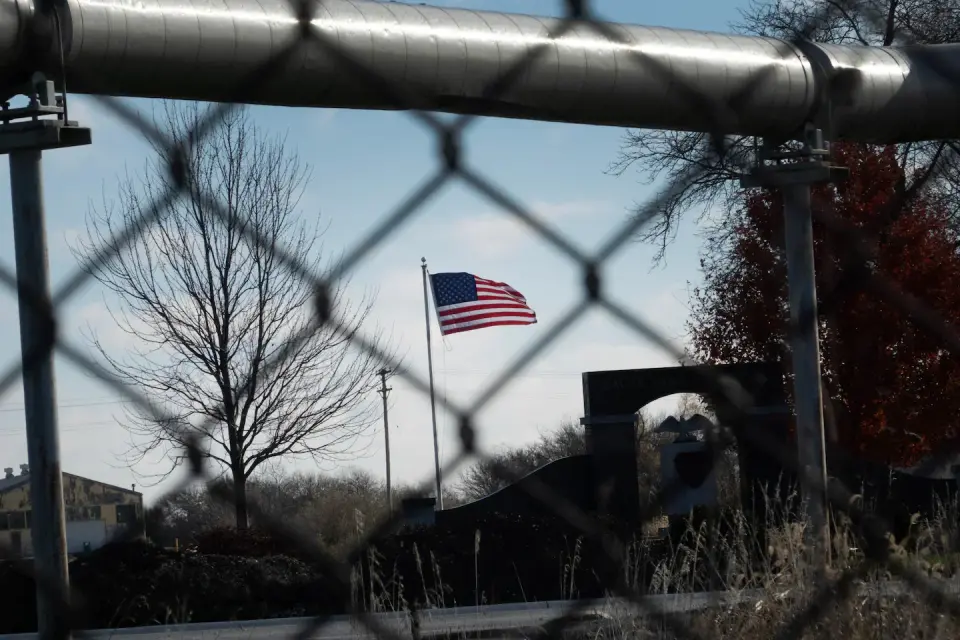
The U.S. Army will detonate 68 barrels of unstable lead azide at the Iowa Army Ammunition Plant in Middletown on Wednesday, November 25, at 10 a.m. Central time. Federal officials state the material is too volatile to transport and risks spontaneous explosion due to cold weather and crystallization. The operation follows a federal appeals court ruling that lifted a stay on an Environmental Protection Agency permit. Residents within five miles southwest of the plant may be evacuated, while those up to 20 miles away are advised to remain indoors to avoid airborne lead dust. The Army has implemented mitigation measures, including blast barriers, ballistic gels, and water dousing, to contain the toxic plume projected to move southwest into Missouri.
Key points
- Detonation scheduled for 10 a.m. Central time on Wednesday, November 25, at the Iowa Army Ammunition Plant in Middletown.
- The material consists of 68 barrels, totaling approximately five tons, of degraded lead azide, an ingredient in detonator caps.
- Federal officials argue the explosive is too unstable to move and poses a risk of chain-reaction explosion if left in place.
- The 8th Circuit Court of Appeals lifted a temporary stay on the EPA permit, clearing the legal path for the blast.
- Residents within five miles southwest of the plant may be evacuated, while those up to 20 miles away are advised to shelter in place.
- The Army is using blast barriers, ballistic gels, and thousands of gallons of water to mitigate the release of toxic lead dust.
Background
The Iowa Army Ammunition Plant, a 19,000-acre facility in southeast Iowa, has a long history of weapons manufacturing and environmental contamination. It was added to the EPA’s National Priorities List in 1990 due to hazardous waste from munitions and nuclear weapons testing. The plant has faced multiple OSHA violations and unplanned explosions in recent years. Previous attempts to detonate the lead azide were delayed due to weather and legal challenges, with President Trump intervening to halt the process pending a court ruling. The current operation follows a series of postponements and public concern over health risks.
How outlets are covering it
The Washington Post and The Guardian emphasize the Army’s justification for the detonation, citing the material’s instability and the risk of spontaneous explosion. They note the Army’s mitigation efforts and the assurance from Acting Secretary Adam Telle that the public should not panic. The Guardian highlights the projected path of the toxic dust plume and the evacuation orders. Iowa Public Radio provides historical context, noting the plant’s legacy of environmental contamination and workplace injuries, with former employees describing a culture of silence and danger. Critics, including environmentalists and public health experts, argue the blast poses significant risks from lead exposure, particularly for children and pregnant women. The legal dispute centers on the validity of the EPA permit, with environmentalists challenging the permit’s issuance rather than the Army’s decision to proceed under emergency provisions. Governor-elect Rob Sand has deferred the decision to the federal administration, while outgoing Governor Kim Reynolds supports the detonation after consulting with military leaders.
Why it matters
The detonation highlights ongoing tensions between military operations and public health in communities near defense facilities. Lead exposure poses serious risks, especially for vulnerable populations, and the incident underscores the need for transparent oversight of hazardous waste management. The legal and political disputes reflect broader concerns about environmental justice and the balance between national security and community safety. The event also draws attention to the long-term environmental and health impacts of military industrial activities in rural areas.
What to watch
The Army will proceed with the controlled detonation on Wednesday, November 25, at 10 a.m. Central time. Evacuated residents will be notified by phone when it is safe to return home. The Army and Iowa Department of Health and Human Services will continue to monitor the area for lead contamination and provide public health guidance. Ongoing cleanup efforts at the Iowa Army Ammunition Plant will continue, with the EPA coordinating remediation of the Superfund site. Public health experts and environmental groups will likely scrutinize the aftermath for any adverse health effects or environmental damage.
- Lead azide must be detonated in Iowa, Army says; some residents urged to evacuate The Washington Post
- Army to move forward with lead azide detonation in Iowa on Wednesday following court ruling WQAD
- US army map shows projected path of toxic dust from Iowa detonation The Guardian
- People familiar with the Iowa ammunition plant see a complicated past Iowa Public Radio
- Trump told the Army to pause the detonation of 9,500 pounds of lead azide in Iowa. Here's what to know PBS
Want the full story? Read the original reporting
Read on The Washington Post