
Interior report details cumulative failures behind Colorado firefighter deaths
The U.S. Department of the Interior released a report on the June 27, 2026, deaths of four federal wildland firefighters in western Colorado. The investigation attributes the tragedy to a combination of extreme fire behavior, communication breakdowns, and aggressive suppression policies. Families of the deceased argue that leadership failures and staffing shortages were primary causes, while the agency maintains that fire managers retain tactical authority. The report highlights issues with dispatch coordination and aerial supervision but does not assign individual blame.
Key points
- Four firefighters died and one was injured on June 27, 2026, during a burnover incident on the Knowles Fire in western Colorado.
- The deceased were Emily Barker, Nick Hutcherson, Sydney Watson, and Nathan Matthews, who died from burn injuries on July 24.
- The Interior Department report cites cumulative factors including strained communications, incomplete situational awareness, and extreme operational tempo.
- AP News reports that the deaths were linked to a new policy prioritizing rapid suppression of small fires, despite extreme weather conditions.
- The Hutcherson family argues the deaths were preventable and demand accountability for leadership decisions and lost evidence.
- The U.S. Wildland Fire Service stated that its suppression policy does not encourage unnecessary risks and that fire managers retain authority to choose tactics.
Background
This incident is the deadliest firefighting tragedy in over a decade. It occurred during a period of chronic understaffing and high trainee ratios at the Grand Junction dispatch center. The fires were part of a larger complex involving the Snyder and Gore fires on the Colorado-Utah border.
How outlets are covering it
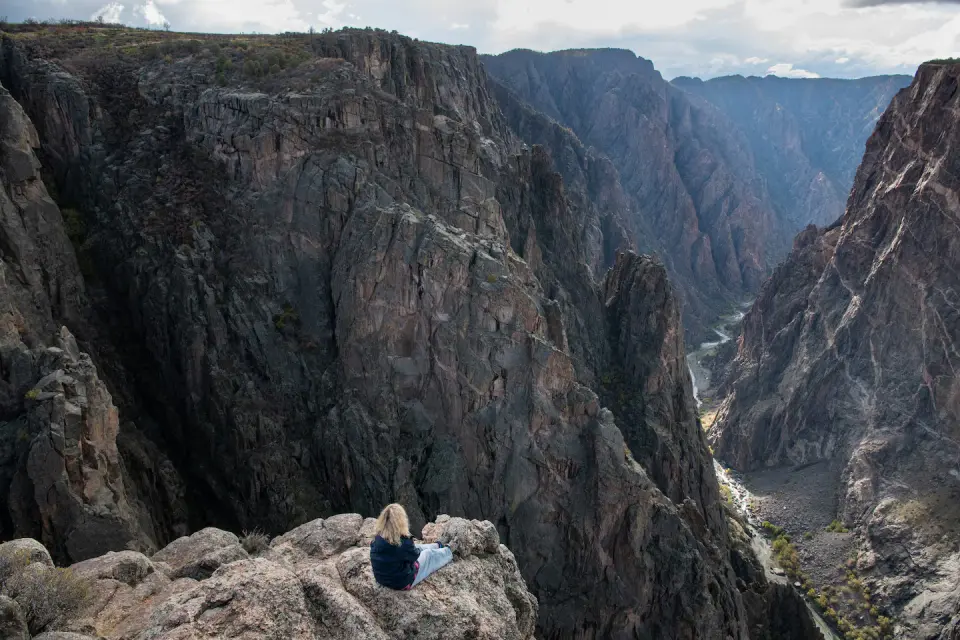
The Department of the Interior and the U.S. Wildland Fire Service emphasize that no single decision caused the tragedy, pointing instead to cumulative system limitations and extraordinary conditions. They assert that fire managers have the authority to select appropriate tactics based on ground conditions. In contrast, AP News and the Hutcherson family highlight the role of the Trump administration's aggressive suppression policy, arguing that the desire to prevent cheatgrass spread and protect habitat drove the decision to deploy crews into dangerous conditions. The family specifically criticizes the lack of oversight and the loss of evidence, including deployed fire shelters, which they believe prevented a full accounting of the incident. The Washington Post focuses on the personal grief of the families, noting that Lisa Hutcherson hiked to the site to understand the terrain but remains without answers regarding why her son was still there.
Why it matters
The findings of this investigation will inform future safety protocols for wildland firefighters across the United States. The debate over suppression policies versus firefighter safety is likely to intensify, potentially leading to changes in how agencies manage small fires during extreme weather conditions. The loss of evidence and the family's demand for accountability may result in further scrutiny of federal firefighting operations.
What to watch
The U.S. Wildland Fire Service has committed to reviewing the report and implementing changes to strengthen firefighter safety. The Hutcherson family is expected to continue pushing for the release of investigation materials and answers regarding the lost evidence. The Department of the Interior plans to use the lessons learned to improve communications, real-time fire observation, and dispatch coordination.
- Their son died fighting a wildfire. They blame the Trump administration’s new approach. The Washington Post
- Interior Releases Findings of Investigation into Firefighter Fatalities and Injury on the Knowles Fire U.S. Department of the Interior (.gov)
- Investigation says understaffing and unexpected fire behavior led to firefighter deaths AP News
- `We want answers’: Family of firefighter killed near Utah-Colorado border says report isn’t enough Utah News Dispatch
- 4 firefighters died when a wildfire near the Utah border overtook them. A new report reveals what went wrong. The Salt Lake Tribune
Want the full story? Read the original reporting
Read on The Washington Post