
Bipartisan Deal Seeks to Slash Energy Permitting Delays Amid Grid Strain
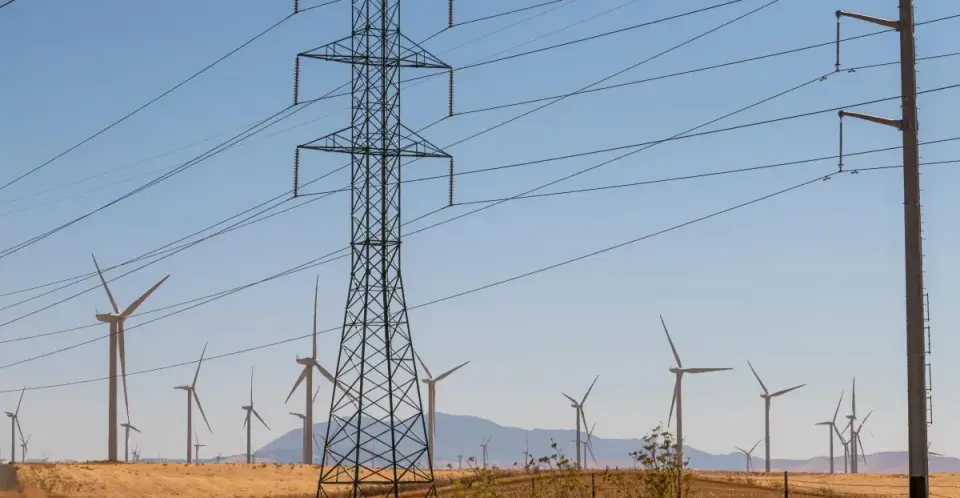
A bipartisan group of senators announced the Bipartisan American Affordability and Jobs Act (BAAJA), a sweeping 417-page bill designed to accelerate the construction of energy infrastructure. The legislation aims to cut through regulatory bottlenecks that have stalled projects like the Grain Belt Express transmission line for over a decade. By imposing strict deadlines on environmental reviews and limiting litigation, the bill seeks to lower electricity costs and address surging demand from AI data centers, though it faces opposition from environmental groups concerned about weakened protections.
Key points
- The BAAJA would establish strict timelines for federal environmental reviews and limit the ability of opponents to litigate against approved energy projects.
- The bill includes 'project certainty' provisions preventing the federal government from revoking permits issued after mid-September 2026, protecting both fossil fuel and renewable projects from political interference.
- It grants the federal government greater authority to site large interstate transmission lines, overriding local or state delays that have historically hindered projects like the 800-mile Grain Belt Express.
- The legislation requires data center developers to cover the costs of generation and grid upgrades needed to serve their facilities, addressing concerns about AI-driven electricity demand.
- Supporters, including West Virginia business leaders and major unions, argue the bill is necessary to reduce risk and speed up deployment, while critics fear it undermines landmark environmental laws like the Clean Water Act.
Background
This development follows a period of rising electricity costs and infrastructure strain, highlighted by recent state-level measures like New York's POWER rebates to offset high utility bills. It also contrasts with earlier reports of the Trump administration using executive power to fast-track specific White House projects, highlighting a broader national debate over the balance between rapid construction and regulatory oversight.
How outlets are covering it
Vox emphasizes the tension between necessary grid expansion and the erosion of environmental safeguards, noting that while the bill helps clean energy, it also benefits fossil fuels and weakens community protections. The New York Times frames the deal as a response to exasperation over decades-long delays, highlighting the bipartisan nature of the agreement. West Virginia business interests, represented by the Chamber of Commerce and Manufacturers Association, view the bill as a critical step to reduce business risk and improve federal permitting timelines. Conversely, environmental groups like the Sierra Club and the National Wildlife Federation oppose the bill, arguing it defangs essential protections for water and heritage sites, a stance echoed by some Democrats in Congress.
Why it matters
The BAAJA could fundamentally reshape how America builds energy infrastructure for decades, potentially lowering power bills and ensuring the grid can handle the massive demand from AI data centers. However, its passage depends on navigating significant opposition from environmental advocates and ensuring it survives the lame duck session after the November midterms.
What to watch
The Senate is expected to vote on the bill during the lame duck session following the November 3 elections. Intense lobbying from both environmental groups and industry supporters is anticipated in the coming weeks, with the final outcome hinging on whether Democrats can maintain support despite internal divisions.
- The messy bargain that could bring down your power bill vox.com
- Exasperated by Delays, Congress Aims to Speed Up Energy Permits nytimes.com
- West Virginia business interests hopeful permitting reform bill makes it through lame duck session WV MetroNews
- US senators hit deal on energy project permitting bill, vote after midterm elections Reuters
- Exclusive: Manufacturers launch permitting ads Axios
Want the full story? Read the original reporting
Read on vox.com