
FCC set to authorize state prison cell phone jamming after decades of opposition
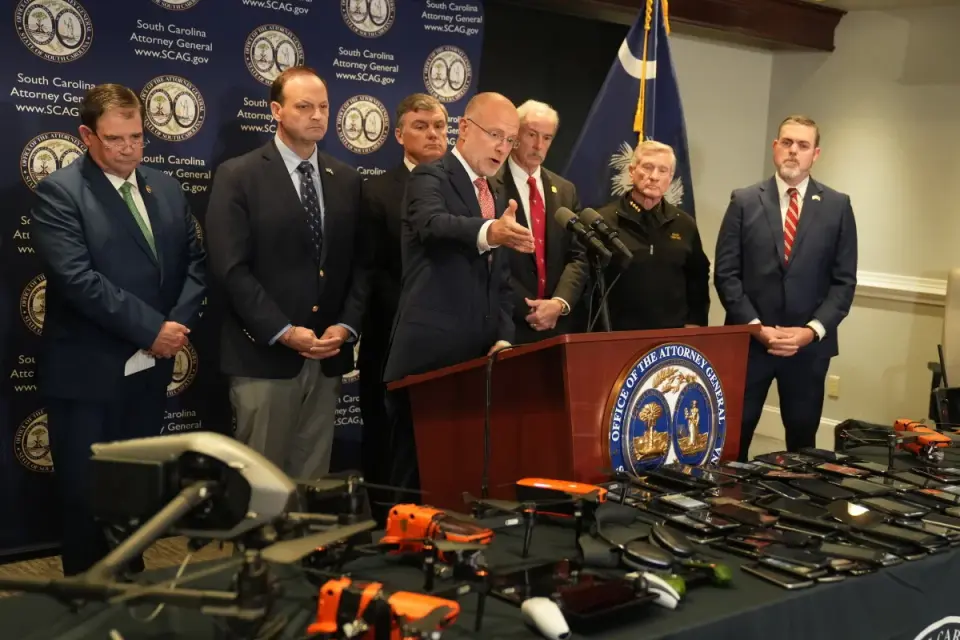
The Federal Communications Commission is expected to vote Thursday to allow state prisons to jam contraband cell phone signals, a move officials say will address the top security threat in correctional facilities. FCC Chairman Brendan Carr stated the agency is ready to act, noting that 25,000 illegal phones are confiscated annually. The decision follows years of advocacy by state officials and successful pilot tests in South Carolina, though critics argue it may interfere with legitimate communications.
Key points
- FCC Chairman Brendan Carr announced the agency is prepared to grant permission for state prisons to use signal jamming technology.
- Officials describe contraband cell phones as the number one security threat, used to coordinate riots, drug rings, and violence against guards.
- Approximately 25,000 illegal cell phones are confiscated from state and local prisons each year, according to Carr.
- South Carolina served as a testing ground, conducting jamming trials in 2008 and 2019, including a test following a deadly riot in 2018.
- The move follows decades of unsuccessful efforts to change a nearly century-old communications law that restricted jamming to federal facilities.
Background
This development follows a long-standing regulatory barrier that prevented state prisons from using signal jamming technology, which was previously limited to federal facilities. Recent high-profile cases involving contraband in federal prisons, such as the transfer of Sean Combs, have highlighted ongoing security concerns in correctional systems. Additionally, the telecommunications industry has faced increased scrutiny regarding infrastructure expansion, as seen in recent negotiations involving SpaceX and wireless carriers.
Why it matters
The decision could significantly alter security protocols in state prisons by providing a tool to neutralize devices used for criminal coordination. It addresses a persistent gap in federal law that hindered state-level responses to contraband. However, it also raises concerns about potential interference with legitimate wireless communications and the financial burden of maintaining official prison phone services.
What to watch
The FCC is expected to vote on the proposal on Thursday. If approved, state prisons will be able to deploy jamming technology to disrupt contraband cell phone signals. The telecommunications industry may continue to monitor the impact on legitimate communications, while inmate rights groups may challenge the move based on access to family communication.
Want the full story? Read the original reporting
Read on AP News