
Mamdani’s Second-Home Tax Sparks Legal Battles and Council Fury Over Botched Rollout
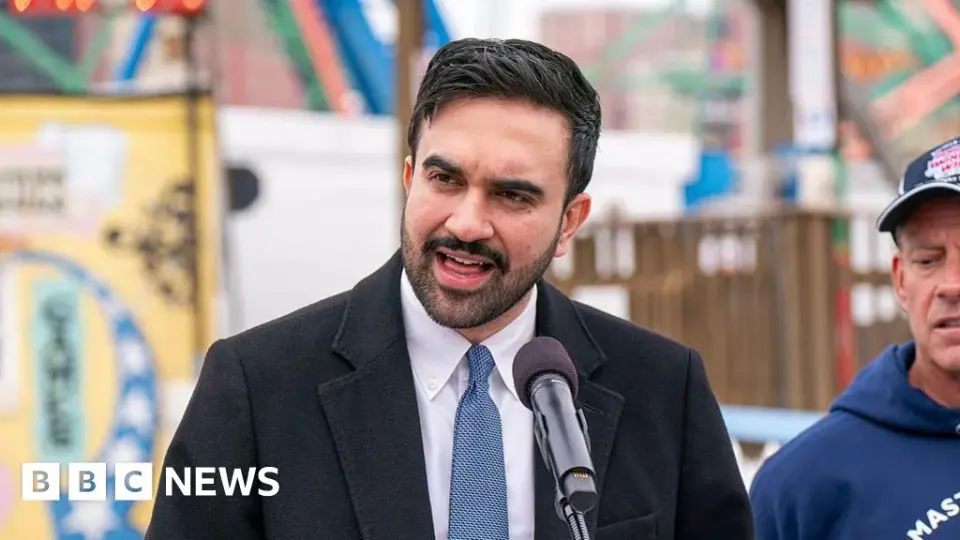
Mayor Zohran Mamdani’s new tax on luxury second homes in New York City has triggered a major backlash due to a chaotic rollout. The city published a list of nearly one million properties, leading to a lawsuit and a contentious City Council hearing where the administration refused to appear. While the tax aims to raise $500 million for social programs, critics argue the implementation unfairly targets residents and compromises privacy.
Key points
- The tax targets second homes worth over $5 million or condos/co-ops over $1 million, aiming to generate $500 million annually.
- The city published a list of nearly one million properties, including names of celebrities and wealthy residents, which sparked privacy and security concerns.
- The administration sent tax notices to 17,000 people, but over 2,300 homeowners have since received exemptions, indicating errors in the initial targeting.
- A lawsuit has been filed by homeowners alleging the city failed to verify residency before sending notices, with a hearing scheduled for August 31.
- The City Council held a hearing on August 18, but the Mamdani administration did not send representatives, citing ongoing litigation, which angered both Democratic and Republican council members.
Background
Mayor Mamdani campaigned on affordability, promising to raise taxes to fund services like universal childcare and free bus transit. The pied-à-terre tax was approved by Governor Kathy Hochul and the state Legislature in May to help close a $5.4 billion city budget gap. Similar taxes exist in Paris, Vancouver, and San Francisco, though San Francisco’s version was struck down as unconstitutional. The current controversy highlights the tension between progressive fiscal policies and the practical challenges of implementation in a diverse city.
How outlets are covering it
Supporters, including council member Gale Brewer and resident Beverly Solo, argue the tax is fair and necessary to fund essential services, noting that wealthy non-residents should contribute to the city’s wellbeing. Critics, such as council member Kamillah Hanks and real estate expert Jason Haber, condemn the rollout as a 'hit list' that compromises privacy and security, potentially scaring away buyers and investors. The City Reporter highlights the administration’s refusal to attend the council hearing as a lack of transparency, while BBC notes that some supporters view the backlash as an overreaction by the wealthy. The administration’s decision to publish the list, despite legal challenges, has intensified the debate over the balance between fiscal policy and civil liberties.
Why it matters
The outcome of this tax will set a precedent for how cities can implement wealth-based levies without infringing on privacy or causing economic disruption. If the lawsuit succeeds, it could force the city to revise its data collection and notification processes, potentially affecting the revenue needed for critical social programs. The controversy also reflects broader national debates on taxing the wealthy and the limits of local government power in addressing housing affordability.
What to watch
A court hearing is scheduled for August 31 to address the lawsuit filed by homeowners challenging the tax’s rollout. The city may need to revise its exemption process and data verification methods to avoid further legal challenges. The administration’s response to the council’s criticism and the potential impact on real estate sales in New York City will be closely watched in the coming months.
- 'Reasonable' or a 'hit list' - New Yorkers react to rollout of Mamdani's tax on second homes BBC
- Read the memo Mamdani's team sent to NYC lawmakers explaining the controversial pied-à-terre tax rollout Business Insider
- Council outraged by Mamdani administration’s no show at pied-à-terre hearing New York Daily News
- Team Mamdani’s Pied-à-Terre No-Show Has Lawmakers Fuming The City Reporter
- Many Questions, but Few Answers, at Hearing About N.Y.C. Second-Home Tax The New York Times
Want the full story? Read the original reporting
Read on BBC