
Rubio Dismisses Zelensky’s Claims of U.S. Sabotage Amid Oslo Talks
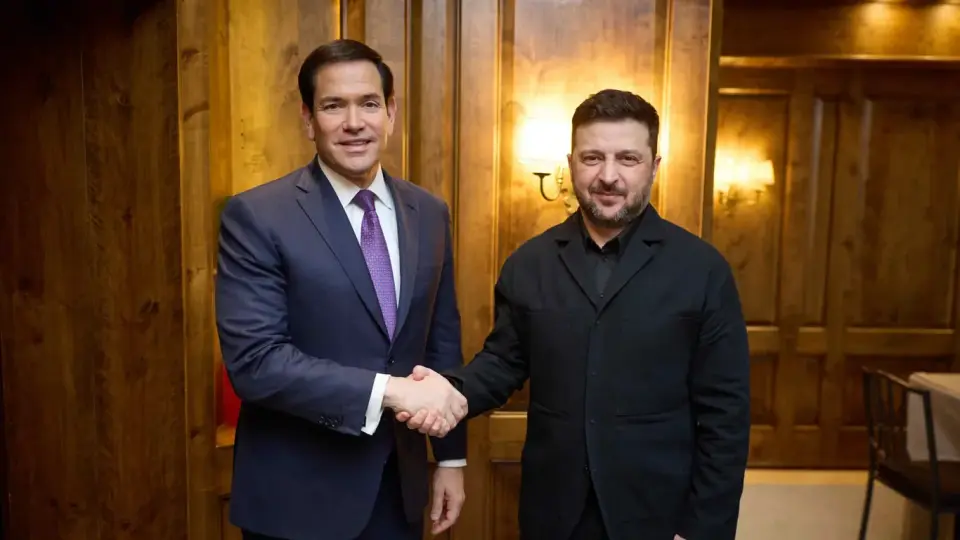
Secretary of State Marco Rubio rejected President Volodymyr Zelensky’s allegations that the U.S. is deliberately withholding military support, calling such claims 'scandalous.' Zelensky told lawmakers that Washington is restricting satellite access and delaying missile interceptors, actions he linked to pressure to end the war. Rubio insisted no support has been cut, while U.S. envoys prepare for talks in Oslo.
Key points
- Rubio stated that nothing is being deliberately denied to Ukraine, contradicting Zelensky’s accusations of intentional restrictions on intelligence and weapons.
- Zelensky reported to a bipartisan group of lawmakers that Starshield satellite services remain degraded and Patriot interceptors are delayed, hindering air defense.
- U.S. negotiators Jared Kushner and Steve Witkoff are set to meet Zelensky in Oslo on Tuesday, with Norwegian and Finnish leaders also participating.
- Trump recently waived sanctions on Russia and agreed to a diesel deal, moves that Kyiv and U.S. allies view as favoring Moscow.
- Rubio acknowledged a technical 'software problem' affecting early warnings but denied any political intent behind the disruptions.
Background
This dispute follows a series of escalating tensions since late October, where Zelensky accused the U.S. of pausing intelligence sharing on Russian ballistic missile attacks. Previous archive coverage noted that Rubio had already denied these claims in Samarkand, attributing issues to technical glitches rather than policy shifts. The current standoff occurs against a backdrop of Trump’s recent diplomatic moves, including a diesel deal with Russia, which Kyiv interprets as a signal to force a peace deal favorable to Moscow.
How outlets are covering it
NBC News highlights the stark contrast between Rubio’s denial and Zelensky’s detailed complaints about degraded satellite services and delayed interceptors, framing the situation as a crisis of trust. Politico emphasizes the bipartisan congressional backlash, with Senators Blumenthal and Tillis condemning the administration’s actions as 'impediments to peace.' While the primary source from Axios focuses on Rubio’s direct rebuttal, secondary sources underscore the broader political fallout, including Trump’s public dismissal of Russian attacks and his call for Zelensky to find another negotiator. The outlets agree on the facts of the Oslo meeting but differ in emphasis: NBC focuses on the humanitarian impact of Russian strikes, while Politico focuses on the legislative response to U.S. policy shifts.
Why it matters
The breakdown in U.S.-Ukraine communication over defense support threatens to undermine the ongoing peace negotiations. If Zelensky’s claims of deliberate sabotage are correct, it could signal a shift in U.S. strategy to pressure Kyiv into concessions. Conversely, if Rubio is correct, the technical issues may be misinterpreted as political signals, further straining the alliance. The outcome of the Oslo talks will determine whether the U.S. continues to mediate or steps back, potentially altering the balance of power in the conflict.
What to watch
The critical next step is the Tuesday meeting in Oslo between U.S. envoys and Zelensky, which will test the credibility of both sides’ claims. Congress may move to investigate the alleged restrictions on satellite and missile support, potentially forcing the administration to clarify its stance. Additionally, the impact of the new Russian diesel deal on global fuel prices and U.S. midterm election politics will be closely watched as a potential driver of further diplomatic shifts.
- Trump isn't out to hurt Ukraine, Rubio tells Zelensky Axios
- ‘Scandalous’ to say Ukrainians are dying due to U.S. pulling support, Rubio says NBC News
- Ukraine's Zelenskiy says US decisions on Ukraine hard to explain Reuters
- Zelenskyy briefs bipartisan group of lawmakers amid backlash over Trump’s Russia deal Politico
- Ukraine Suspects US Blocking Intelligence About Russian Attacks Bloomberg.com
Want the full story? Read the original reporting
Read on Axios