
25 States Challenge New Tariffs as Unlawful Replacement for Supreme Court-Struck Duties
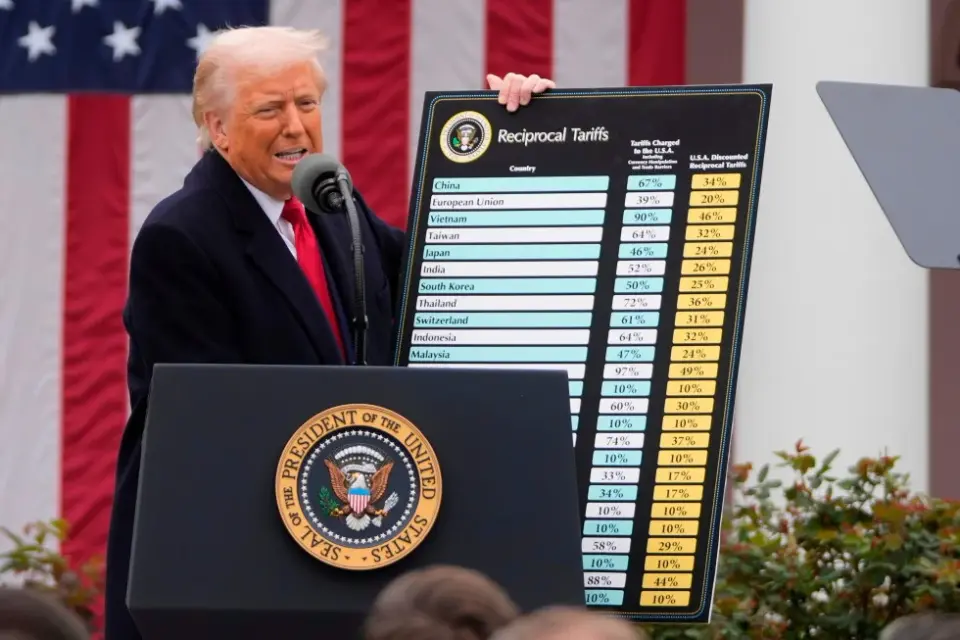
A coalition of 25 US states has sued the Trump administration in the US Court of International Trade, challenging new tariffs of 10% to 12.5% on 60 trading partners. The states argue these duties are an unlawful pretext to replace previous tariffs struck down by the Supreme Court in February, citing rushed investigations under Section 301 of the Trade Act. While the White House defends the move as a lawful response to foreign forced labor, critics allege the administration bypassed required consultations and applied uniform rates without justification. The lawsuit seeks to halt the tariffs, declare them illegal, and order refunds for duties already paid, marking the third major legal challenge to the administration’s trade policies this year.
Key points
- 25 states, led by New York and California, filed suit in the US Court of International Trade on August 3, 2026, targeting new tariffs on 60 trading partners.
- The new tariffs, ranging from 10% to 12.5%, were enacted under Section 301 of the Trade Act of 1974, citing foreign failures to combat forced labor.
- Plaintiffs argue the administration rushed investigations, bypassed country-specific consultations, and applied nearly uniform rates to replace duties previously invalidated by the Supreme Court.
- The White House, via spokesperson Kush Desai, defended the tariffs as a 'legally durable tool' necessary to address unreasonable foreign trade practices and protect US commerce.
- The lawsuit seeks to block the tariffs, declare them unlawful, and mandate refunds for duties already collected, following a similar suit by the Liberty Justice Center.
Background
This legal challenge follows a February 2026 Supreme Court ruling that struck down earlier tariffs based on the International Emergency Economic Powers Act. Subsequently, the US refunded approximately $81 billion in duties. The current tariffs were announced on July 23, 2026, one day before temporary Section 122 duties expired, ensuring continuity of the tariff regime. The effective US tariff rate has since fallen to 7.4%, down from 9.4%, according to Fitch Ratings.
How outlets are covering it
The 25-state coalition, including New York Attorney General Letitia James and California Attorney General Rob Bonta, characterizes the new tariffs as a 'pretext' and an illegal attempt to recreate taxes struck down by the courts. They emphasize that the investigations were rushed and lacked rational justification. Conversely, the White House, represented by Kush Desai, asserts that the tariffs are a lawful use of Section 301 authority to address foreign forced labor and protect American workers. The administration argues that the tool has proven legally durable since the president’s first term. While AP and CBS focus on the legal overreach and the 'third attempt' narrative, CNBC highlights the specific procedural failures alleged in the complaint, such as the lack of benchmarks for lifting duties.
Why it matters
The outcome of this lawsuit will determine the legality of the current tariff regime, which covers 99.4% of US imports. If the tariffs are upheld, they will continue to impact the cost of goods for consumers and businesses. If struck down, the administration may face further legal hurdles in maintaining its trade policy, potentially affecting federal revenue and international trade relations. The case also tests the limits of Section 301 authority in the post-Supreme Court era.
What to watch
The US Court of International Trade will review the complaint and determine whether to halt the tariffs. The administration may appeal any adverse ruling. The states are seeking immediate relief and refunds, which could have significant fiscal implications if granted. Further legal challenges from business groups may also emerge as the administration continues to enforce the new duties.
- 25 states sue over Trump’s new tariffs, calling them ‘pretext’ to replace his old ones AP News
- US states sue Trump administration over new tariffs on 60 trading partners The Guardian
- Democratic-led states join legal fight over Trump’s new tariffs The Hill
- Twenty five states sue Trump administration over latest global tariffs CNBC
- 25 states sue Trump administration over latest round of tariffs CBS News
Want the full story? Read the original reporting
Read on AP News